Carl Sandburg
Author of the day

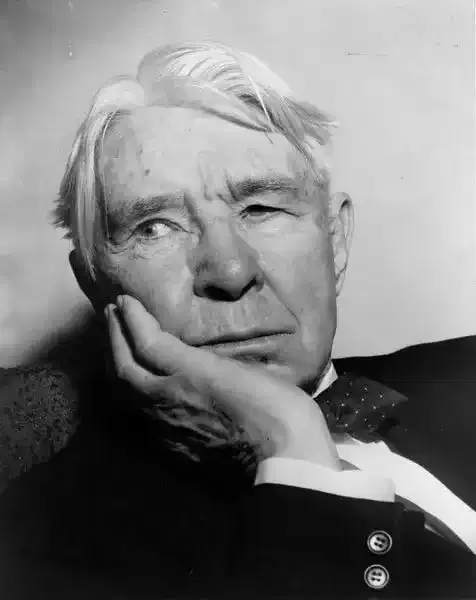
Carl Sandburg

Carl Sandburg was an American poet, historian, novelist, and lexicographer. He is considered one of the most important American poets of the 20th century, known for his free verse and his focus on the American working class and the landscapes of the American Midwest. His poetry often celebrated the common man and the industrial might of America, earning him a reputation as the "poet of the people." Beyond his poetry, Sandburg was also a prolific biographer, most notably of Abraham Lincoln, and a…

Poems
Poem of the day

Grass

Carl Sandburg
Pile the bodies high at Austerlitz and Waterloo.
Shovel them under and let me work
-I am the grass; I cover all.

And pile them high at Gettysburg
And pile them high at Ypres and Verdun.
Shovel them under and let me work.
Two years, ten years, and the passengers ask the conductor:

What place is this?
Where are we now?

I am the grass.
Let me work.
Read full poem

Born on this day

31
António Ramos de Almeida

António Ramos de Almeida was a Portuguese poet whose work is part of the literary landscape of the 20th century. His poetry is marked by a profound reflection on the human condition, exploring themes such as the ephemerality of time, the search for meaning, and the complexity of interpersonal relationships. Almeida stood out for his ability to combine careful language with intense emotional expressiveness, earning a special place in contemporary Portuguese poetry. His literary career, although perhaps less publicized compared to other names of his generation, reveals an attentive gaze on the world and the human soul. His work invites contemplation and introspection, offering the reader an aesthetically and intellectually enriching experience. His contribution to Portuguese poetry lies in the originality of his lyrical discourse and his ability to touch the reader with the universality of his concerns.

Jerónimo Baía

Jerónimo Baía was a Portuguese poet, a prominent figure of the Renaissance period, known for his work that reflects the influence of classicism and humanism. His poetry, often marked by erudition and a philosophical tone, addresses themes such as the passage of time, the fragility of life, and the pursuit of wisdom. His writing is a testament to the intellectual and artistic maturity of his time.

Diogo Bernardes

Diogo Bernardes was a Portuguese Renaissance poet, known for his lyrical work and his ability to express the complexity of human emotions. His poetry reflects the cultural and spiritual context of the time, with a rich and elaborate language. He is considered one of the important figures of Portuguese-language poetry in the 16th century.

Diogo Brandão

Diogo Brandão is a contemporary poet whose work explores the complexities of human existence, the fleetingness of time, and the search for meaning in a constantly changing world. His poetry, marked by accessible yet profound language, engages with the anxieties of current society, addressing themes such as identity, memory, and interpersonal relationships. His writing, at times melancholic, at times hopeful, invites reflection and introspection, solidifying his presence in the contemporary literary landscape.

João José Cochofel

João José Cochofel was a Portuguese poet whose work is distinguished by its lyrical depth and reflection on the human condition. His poetry addresses universal themes such as love, death, and time, exploring the complexity of emotions and the search for meaning in a constantly changing world. With a style marked by musicality and rich imagery, Cochofel left a poetic legacy that continues to resonate through his sensitivity and formal rigor. His contribution to contemporary Portuguese poetry is undeniable, consolidating him as an important voice in the literary landscape.

Martim Codax

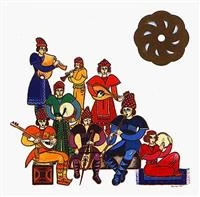
Martim Codax is a prominent figure in medieval Galician-Portuguese poetry. Recognized for his cantigas de amigo (songs of a friend), his work is distinguished by the vividness of its imagery, its deep connection to nature, and its authentic expression of feminine sentiments. His poetic compositions portray the world of women, their hopes, longings, and their relationship with the sea and their loved ones. His poetry is a valuable testament to medieval lyricism, characterized by its musicality and its ability to evoke landscapes and emotions vividly. His work, preserved in medieval songbooks, continues to be studied and admired for its intrinsic beauty and its historical-literary value. Martim Codax represents one of the pillars of troubadour poetry in the Iberian Peninsula, offering a unique insight into the sensibility and customs of the era.

Afonso Eanes de Coton

Afonso Eanes de Coton was a Portuguese troubadour of the Middle Ages, author of love songs and 'cantigas de amigo'. His work, inserted in the context of Galician-Portuguese lyric poetry, stands out for the delicacy and expressiveness of human sentiments. As a figure of nobility and a knight, his poetic production reflects the codes of honor and customs of the time, contributing to the rich collection of medieval poetry in Portuguese.

José Anastácio da Cunha

José Anastácio da Cunha was a Portuguese mathematician and poet, a prominent figure of the Enlightenment in Portugal. His poetic work, although less extensive than his scientific output, reveals a remarkable sensibility and a style that anticipates certain trends of Romanticism. He is remembered for his keen intellect and his contribution to various fields of knowledge, leaving a legacy that transcends the boundaries of science and literature.

Afonso Duarte

Afonso Duarte is a Portuguese poet known for his innovative writing and exploration of themes such as nature, identity, and the human condition. His work stands out for its careful language, rich imagery, and deep reflection on the world. He is an important figure in contemporary Portuguese poetry, with a career marked by experimentation and the search for new forms of expression.

Cristóvão Falcão

Cristóvão Falcão was a Portuguese poet and humanist, whose work is fundamental to the study of Renaissance poetry in Portugal. His writing, marked by classical influence and the pursuit of formal perfection, addresses themes such as love, nature, and the transience of life. His greatest work, "O Labirinto" (The Labyrinth), is a poem of great complexity and erudition, reflecting his profound intellectual formation and his role in the cultural context of his time.

António Ferreira

António Ferreira was a Portuguese poet and playwright of the Renaissance, considered one of the central figures of Classicism in Portugal. His work, marked by erudition and formal rigor, sought to imitate Greco-Latin models, introducing new poetic forms and themes to the country. He was a pioneer in writing classical tragedies in Portuguese, exploring mythological and historical themes with elevated language and a profound aesthetic sense. His legacy is fundamental to the consolidation of the Portuguese literary canon.

Natércia Freire

Natércia Freire was a prominent figure in contemporary Portuguese poetry. Her work stands out for its lyrical depth and exploration of universal themes such as love, identity, and the human condition. With careful language and an evocative style, the author built a unique poetic body that dialogues with literary tradition and modernity.

António Gancho

António Gancho is a poet whose work is distinguished by the exploration of a dense and enigmatic language, often immersed in inner landscapes and existential reflections. His poetry, although sometimes hermetic, reveals a deep attention to the word and its capacity to evoke underlying realities and sensations. The connection to themes such as memory, time, and human fragility is recurrent, lending his writing a meditative and disturbing quality. His figure is central to the panorama of contemporary Portuguese poetry, recognized for the originality and strength of his expression.

Fernando Grade

Fernando Grade is a name associated with contemporary Portuguese poetry, with a body of work that stands out for its lyrical intensity and exploration of universal themes such as love, loss, nature, and the search for meaning. His writing is often marked by evocative language and a particular musicality, inviting the reader into a deep immersion in his reflections and sensations. Throughout his career, Grade has been building a body of work that dialogues with poetic tradition, yet affirms itself with a singular and contemporary voice.

Pêro Meogo

Pêro Meogo was a Galician-Portuguese troubadour of the Middle Ages, a prominent figure in Galician-Portuguese lyric poetry. His work, composed in Galician-Portuguese, includes cantigas de amor (love songs) and cantigas de amigo (songs of a maiden to her lover), characterized by their expressiveness, musicality, and deep connection to the landscape and customs of the time. He is recognized for his contribution to the development of Iberian medieval poetry, leaving a legacy of lyrical compositions that continue to be studied and appreciated for their artistic quality and historical value.

Rui Queimado

Rui Queimado is a contemporary Portuguese poet. His poetic work is recognized for its originality and exploration of themes ranging from the everyday to existential reflection. With a striking style, the author has been establishing himself on the Portuguese literary scene.

Bernardim Ribeiro

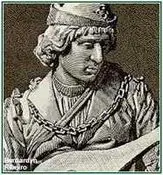
Bernardim Ribeiro was a Portuguese poet and prose writer of the 16th century, considered a transitional figure between classicism and humanism. His work, marked by melancholic and introspective lyricism, explores themes such as love, saudade, nature, and the transience of life, anticipating sensibilities that would become central to the Renaissance.

José Augusto Seabra

José Augusto Seabra was a renowned poet, essayist, and university professor, whose work was marked by deep reflection on existence, language, and art. His poetry explores the human condition, the passage of time, and the search for meaning, often in a melancholic and introspective tone. He acted as an influential intellectual figure, contributing to cultural and literary debate through his writings and teaching.

Paio Soares de Taveirós

Paio Soares de Taveirós was a medieval Galician-Portuguese troubadour, a prominent figure in Galician-Portuguese lyric poetry. His work, set within the context of courtly love poetry, is notable for its expressiveness and exploration of themes such as saudade (longing), idealized love, and loyalty to the lady. His songs reveal a profound lyrical sensibility and a remarkable mastery of the poetic forms of the era, reflecting the customs and mentality of the medieval nobility. Taveirós contributed significantly to the poetic heritage that marked the transition to literature in the Portuguese language.

Gil Vicente

Gil Vicente was a Portuguese playwright and poet, considered the father of theater in Portugal and one of the most important figures in the Portuguese-language literature. His work, predominantly satirical and moralizing, portrays the society of his time, with its vices, virtues, and customs, using a style that mixes the popular and the erudite. Through farces, autos, and comedies, Vicente addressed religious, social, and political themes, with a rich and expressive language, which left an indelible legacy in Lusophone culture.

Pedro Sena

Pedro Sena is a poet whose work is characterized by a deep exploration of the human condition, addressing themes such as identity, memory, and the ephemerality of time. His poetry is distinguished by its intrinsic musicality and careful language, which combines tradition with contemporary sensibility. His compositions reveal a constant search for meaning and a reflection on the individual's relationship with the world around them. With a singular poetic voice, Pedro Sena constructs lyrical universes where introspection intertwines with the observation of daily life. His writing, at times melancholic and at times euphoric, invites the reader to dive into the complexities of existence, exploring the nuances of human emotions and experiences.

Carlos Tê

Carlos Tê is a Portuguese poet and lyricist, known for his irreverent, intelligent, and deeply human writing. His work, which spans poetry and songwriting, stands out for its sharp observation, subtle humor, and ability to translate the complexities of love, life, and human relationships into words. Tê is a master of giving voice to the anxieties of everyday life with accessible language and a unique sensitivity.

Fernando Tavares Rodrigues

Fernando Tavares Rodrigues was a notable Portuguese poet and professor, whose work stands out for its reflective depth and exploration of universal themes such as time, memory, and the human condition. His poetry, often marked by a restrained lyricism and precise language, invites contemplation and introspection. With a career dedicated to both literary writing and teaching, Tavares Rodrigues left a legacy of poems that continue to resonate for their ability to touch on existential questions sensitively and intelligently.

Frederico de Brito

Frederico de Brito was a Portuguese poet and essayist whose work is distinguished by its reflective depth and exploration of the complexities of the human condition. His poetry, marked by careful language and intrinsic musicality, often addresses themes such as memory, time, the passage of life, and the search for meaning. Throughout his career, Brito consolidated a unique poetic voice, exploring the potential of the Portuguese language with aesthetic rigor and sensitivity.

Li Shang-Yin

Li Shang-yin was a prominent Chinese poet of the Tang dynasty, known for his lyrical, enigmatic, and often melancholic poetry. His works explore themes such as unrequited love, the ephemerality of beauty, loneliness, and political frustration, using language rich in symbolism and cultural allusions. His poetry is celebrated for its evocative beauty and complexity, which defies easy interpretation, making him one of the most studied and admired poets in Chinese literature. His work, marked by deep sensitivity and refined technique, continues to resonate with readers across centuries.

Étienne Jodelle

Étienne Jodelle was a French poet and playwright, considered one of the central figures of the Pléiade. His work is marked by the pursuit of formal perfection and inspiration from Classical Antiquity, reflecting the humanist spirit of the Renaissance. He is remembered for his contribution to the development of French poetry, introducing new forms and themes, and for his active participation in the literary circles of his time. Jodelle left a legacy as one of the precursors of modern poetry in the French language.

Gilka Machado

Gilka Machado was a Brazilian poet, recognized for her lyrical and sensual work, which explored themes such as love, passion, the female body, and spirituality with a rich and imagistic language. Her poetry, often considered transgressive for the time, addressed sensuality explicitly and innovatively, breaking with literary and social conventions. She was the first woman to join the Brazilian Academy of Letters, a milestone for Brazilian female writers. Her work continues to be valued for its expressive power and its contribution to female poetry in Brazil.

Bráulio Tavares

Bráulio Tavares is a renowned Brazilian writer, journalist, essayist, literary critic, and professor. Known for his versatility and erudition, his work encompasses poetry, science fiction, fantasy, children's and young adult literature, and essays. His writing is marked by intelligence, humor, erudition, and a deep reflection on language, culture, and society. Tavares is an important disseminator of Brazilian culture and an active participant in the contemporary literary scene.

Claudia Roquette-Pinto

Claudia Roquette-Pinto is a Brazilian poet, translator, and essayist, recognized for her poetry that explores the complexity of existence, memory, the body, and the individual's relationship with the world. Her work stands out for its sensitivity and in-depth investigation of languages, both in poetry and in literary criticism and translation. With a trajectory marked by a diversity of interests and continuous reflection on the human condition, Roquette-Pinto has established herself as a relevant contemporary voice, exploring the nuances of the female experience and the intersections between the personal and the universal.

Age de Carvalho

Age de Carvalho, literary name of Agnelo de Carvalho, was a Portuguese poet, writer, and journalist, a prominent figure of modernism in Portugal. His work, marked by irreverence and linguistic experimentation, spanned poetry, short stories, and theater, reflecting an innovative spirit and a strong connection with the artistic avant-gardes of the early 20th century. He was also an active cultural intervener, collaborating in various publications and contributing to the dissemination of new aesthetic currents.

Giosi Lippolis

Giosi Lippolis was an Italian poet whose work stood out for its profound exploration of the human condition and its imagery-rich language. His poetic compositions, often melancholic and reflective in tone, address universal themes such as love, loss, time, and the search for meaning in a constantly changing world. His writing is characterized by a unique musicality and an unparalleled ability to evoke deep emotions in the reader, consolidating his position as an important voice in contemporary poetry.

Died on this day

19
António Ramos de Almeida

António Ramos de Almeida was a Portuguese poet whose work is part of the literary landscape of the 20th century. His poetry is marked by a profound reflection on the human condition, exploring themes such as the ephemerality of time, the search for meaning, and the complexity of interpersonal relationships. Almeida stood out for his ability to combine careful language with intense emotional expressiveness, earning a special place in contemporary Portuguese poetry. His literary career, although perhaps less publicized compared to other names of his generation, reveals an attentive gaze on the world and the human soul. His work invites contemplation and introspection, offering the reader an aesthetically and intellectually enriching experience. His contribution to Portuguese poetry lies in the originality of his lyrical discourse and his ability to touch the reader with the universality of his concerns.

Jerónimo Baía

Jerónimo Baía was a Portuguese poet, a prominent figure of the Renaissance period, known for his work that reflects the influence of classicism and humanism. His poetry, often marked by erudition and a philosophical tone, addresses themes such as the passage of time, the fragility of life, and the pursuit of wisdom. His writing is a testament to the intellectual and artistic maturity of his time.

Diogo Bernardes

Diogo Bernardes was a Portuguese Renaissance poet, known for his lyrical work and his ability to express the complexity of human emotions. His poetry reflects the cultural and spiritual context of the time, with a rich and elaborate language. He is considered one of the important figures of Portuguese-language poetry in the 16th century.

Diogo Brandão

Diogo Brandão is a contemporary poet whose work explores the complexities of human existence, the fleetingness of time, and the search for meaning in a constantly changing world. His poetry, marked by accessible yet profound language, engages with the anxieties of current society, addressing themes such as identity, memory, and interpersonal relationships. His writing, at times melancholic, at times hopeful, invites reflection and introspection, solidifying his presence in the contemporary literary landscape.

José Manuel Capêlo

José Manuel Capêlo was a Portuguese poet associated with the surrealist movement, whose work is characterized by the exploration of the unconscious, dreams, and the irrational. His writing seeks to break with the conventions of logic and apparent reality, delving into the depths of the human psyche and the freedom of imagination.

João José Cochofel

João José Cochofel was a Portuguese poet whose work is distinguished by its lyrical depth and reflection on the human condition. His poetry addresses universal themes such as love, death, and time, exploring the complexity of emotions and the search for meaning in a constantly changing world. With a style marked by musicality and rich imagery, Cochofel left a poetic legacy that continues to resonate through his sensitivity and formal rigor. His contribution to contemporary Portuguese poetry is undeniable, consolidating him as an important voice in the literary landscape.

Martim Codax

Martim Codax is a prominent figure in medieval Galician-Portuguese poetry. Recognized for his cantigas de amigo (songs of a friend), his work is distinguished by the vividness of its imagery, its deep connection to nature, and its authentic expression of feminine sentiments. His poetic compositions portray the world of women, their hopes, longings, and their relationship with the sea and their loved ones. His poetry is a valuable testament to medieval lyricism, characterized by its musicality and its ability to evoke landscapes and emotions vividly. His work, preserved in medieval songbooks, continues to be studied and admired for its intrinsic beauty and its historical-literary value. Martim Codax represents one of the pillars of troubadour poetry in the Iberian Peninsula, offering a unique insight into the sensibility and customs of the era.

José Anastácio da Cunha

José Anastácio da Cunha was a Portuguese mathematician and poet, a prominent figure of the Enlightenment in Portugal. His poetic work, although less extensive than his scientific output, reveals a remarkable sensibility and a style that anticipates certain trends of Romanticism. He is remembered for his keen intellect and his contribution to various fields of knowledge, leaving a legacy that transcends the boundaries of science and literature.

Cristóvão Falcão

Cristóvão Falcão was a Portuguese poet and humanist, whose work is fundamental to the study of Renaissance poetry in Portugal. His writing, marked by classical influence and the pursuit of formal perfection, addresses themes such as love, nature, and the transience of life. His greatest work, "O Labirinto" (The Labyrinth), is a poem of great complexity and erudition, reflecting his profound intellectual formation and his role in the cultural context of his time.

Fernando Grade

Fernando Grade is a name associated with contemporary Portuguese poetry, with a body of work that stands out for its lyrical intensity and exploration of universal themes such as love, loss, nature, and the search for meaning. His writing is often marked by evocative language and a particular musicality, inviting the reader into a deep immersion in his reflections and sensations. Throughout his career, Grade has been building a body of work that dialogues with poetic tradition, yet affirms itself with a singular and contemporary voice.

Pêro Meogo

Pêro Meogo was a Galician-Portuguese troubadour of the Middle Ages, a prominent figure in Galician-Portuguese lyric poetry. His work, composed in Galician-Portuguese, includes cantigas de amor (love songs) and cantigas de amigo (songs of a maiden to her lover), characterized by their expressiveness, musicality, and deep connection to the landscape and customs of the time. He is recognized for his contribution to the development of Iberian medieval poetry, leaving a legacy of lyrical compositions that continue to be studied and appreciated for their artistic quality and historical value.

Bernardim Ribeiro

Bernardim Ribeiro was a Portuguese poet and prose writer of the 16th century, considered a transitional figure between classicism and humanism. His work, marked by melancholic and introspective lyricism, explores themes such as love, saudade, nature, and the transience of life, anticipating sensibilities that would become central to the Renaissance.

Gil Vicente

Gil Vicente was a Portuguese playwright and poet, considered the father of theater in Portugal and one of the most important figures in the Portuguese-language literature. His work, predominantly satirical and moralizing, portrays the society of his time, with its vices, virtues, and customs, using a style that mixes the popular and the erudite. Through farces, autos, and comedies, Vicente addressed religious, social, and political themes, with a rich and expressive language, which left an indelible legacy in Lusophone culture.

Frederico de Brito

Frederico de Brito was a Portuguese poet and essayist whose work is distinguished by its reflective depth and exploration of the complexities of the human condition. His poetry, marked by careful language and intrinsic musicality, often addresses themes such as memory, time, the passage of life, and the search for meaning. Throughout his career, Brito consolidated a unique poetic voice, exploring the potential of the Portuguese language with aesthetic rigor and sensitivity.

Maximiano de Sousa

Maximiano de Sousa was a Portuguese poet whose work is part of a context of literary renewal. His poetic contributions stand out for the exploration of universal themes and for formal experimentation, reflecting the concerns of his time. His poetry is marked by deep sensitivity and carefully crafted language, which establish him as a relevant voice in 20th-century Portuguese literature.

Nóbrega e Sousa

Nóbrega e Sousa was a Portuguese poet whose work is part of the literary landscape of the 20th century. His poetry is marked by a deep reflection on the human condition, time, and memory, exploring themes such as love, loss, and the ephemerality of existence. His poetic language, although at times dense and imagistic, reveals an intrinsic musicality and a careful use of verse. His literary career, although recognized later, has been revisited by critics and academics, who highlight the originality of his style and the relevance of his themes. Nóbrega e Sousa's work continues to resonate with readers who seek poetry that challenges and moves them, consolidating his place in Portuguese literature.

Li Shang-Yin

Li Shang-yin was a prominent Chinese poet of the Tang dynasty, known for his lyrical, enigmatic, and often melancholic poetry. His works explore themes such as unrequited love, the ephemerality of beauty, loneliness, and political frustration, using language rich in symbolism and cultural allusions. His poetry is celebrated for its evocative beauty and complexity, which defies easy interpretation, making him one of the most studied and admired poets in Chinese literature. His work, marked by deep sensitivity and refined technique, continues to resonate with readers across centuries.

Gilka Machado

Gilka Machado was a Brazilian poet, recognized for her lyrical and sensual work, which explored themes such as love, passion, the female body, and spirituality with a rich and imagistic language. Her poetry, often considered transgressive for the time, addressed sensuality explicitly and innovatively, breaking with literary and social conventions. She was the first woman to join the Brazilian Academy of Letters, a milestone for Brazilian female writers. Her work continues to be valued for its expressive power and its contribution to female poetry in Brazil.

Gastão de Holanda

Gastão de Holanda was a Portuguese poet, recognized for his contribution to modern lyric poetry. His work is notable for its exploration of themes such as the ephemerality of life, the passage of time, and the search for existential meaning, often rooted in a deep reflection on the human condition. Through carefully crafted language and a style oscillating between lyricism and melancholy, he built a unique poetic universe that engages with literary traditions while also pointing towards new aesthetic sensibilities.