

Poemas neste tema
Vida e Existência

José Honório
Comer cu, chupar bocetatem homem que aprecia
Glosa:
No campo da sacanagem
enquanto uns dão outros comem
entre a mulher e o homem
quem mais goza tem vantagem
o prazer é uma viagem
que não precisa de guia
a mulher que não é fria
chupa, dá, toca punheta
COMER CU, CHUPAR BUCETA
TEM HOMEM QUE APRECIA.
No campo da sacanagem
enquanto uns dão outros comem
entre a mulher e o homem
quem mais goza tem vantagem
o prazer é uma viagem
que não precisa de guia
a mulher que não é fria
chupa, dá, toca punheta
COMER CU, CHUPAR BUCETA
TEM HOMEM QUE APRECIA.
2 294
1

Janice Caiafa
Luz-sem luz
Meia-lua escura
na unha é anel
de musa, ao céu
é ranhura de luz
no sexo marca difusa
vala ventosa que suga
com ar rarefeito
Palma acidental só vulto
varia vertente convulsa
versátil em ondas em outra
de uma estrela
ausente veluda
o rastro de pontas.
na unha é anel
de musa, ao céu
é ranhura de luz
no sexo marca difusa
vala ventosa que suga
com ar rarefeito
Palma acidental só vulto
varia vertente convulsa
versátil em ondas em outra
de uma estrela
ausente veluda
o rastro de pontas.
1 068
1

José Tolentino Mendonça
Uma Coisa A Menos Para Adorar
Já vi matar um homem
é terrível a desolação que um corpo deixa
sobre a terra
uma coisa a menos para adorar
quando tudo se apaga
as paisagens descobrem-se perdidas
irreconciliáveis
entendes por isso o meu pânico
nessas noites em que volto sem razão nenhuma
a correr pelo pontão de madeira
onde um homem foi morto
arranco como os atletas ao som de um disparo seco
mas sou apenas alguém que de noite
grita pela casa
há quem diga
a vida é um pau de fósforo
escasso demais
para o milagre do fogo
hoje estive tão triste
que ardi centenas de fósforos
pela tarde fora
enquanto pensava no homem que vi matar
e de quem não soube nunca nada
nem o nome
é terrível a desolação que um corpo deixa
sobre a terra
uma coisa a menos para adorar
quando tudo se apaga
as paisagens descobrem-se perdidas
irreconciliáveis
entendes por isso o meu pânico
nessas noites em que volto sem razão nenhuma
a correr pelo pontão de madeira
onde um homem foi morto
arranco como os atletas ao som de um disparo seco
mas sou apenas alguém que de noite
grita pela casa
há quem diga
a vida é um pau de fósforo
escasso demais
para o milagre do fogo
hoje estive tão triste
que ardi centenas de fósforos
pela tarde fora
enquanto pensava no homem que vi matar
e de quem não soube nunca nada
nem o nome
2 458
1
José Tolentino Mendonça
Uma Coisa A Menos Para Adorar
Já vi matar um homem
é terrível a desolação que um corpo deixa
sobre a terra
uma coisa a menos para adorar
quando tudo se apaga
as paisagens descobrem-se perdidas
irreconciliáveis
entendes por isso o meu pânico
nessas noites em que volto sem razão nenhuma
a correr pelo pontão de madeira
onde um homem foi morto
arranco como os atletas ao som de um disparo seco
mas sou apenas alguém que de noite
grita pela casa
há quem diga
a vida é um pau de fósforo
escasso demais
para o milagre do fogo
hoje estive tão triste
que ardi centenas de fósforos
pela tarde fora
enquanto pensava no homem que vi matar
e de quem não soube nunca nada
nem o nome
é terrível a desolação que um corpo deixa
sobre a terra
uma coisa a menos para adorar
quando tudo se apaga
as paisagens descobrem-se perdidas
irreconciliáveis
entendes por isso o meu pânico
nessas noites em que volto sem razão nenhuma
a correr pelo pontão de madeira
onde um homem foi morto
arranco como os atletas ao som de um disparo seco
mas sou apenas alguém que de noite
grita pela casa
há quem diga
a vida é um pau de fósforo
escasso demais
para o milagre do fogo
hoje estive tão triste
que ardi centenas de fósforos
pela tarde fora
enquanto pensava no homem que vi matar
e de quem não soube nunca nada
nem o nome
2 458
1
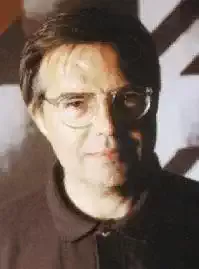
João Miguel Fernandes Jorge
Abrimos as portas sorrindo
ou a lata de bolos de infância.
Era uma criança pela fadiga
dos olhos, pela idade das excursões
pelas praças da cidade.
demoradas visitas de indiferença
e receio.
Um tímido sinal descendo levemente
o corpo, depois a face, os lábios
trémulos e um balbuciado “não
volto mais”.
“Está bem. Eis-me aqui ao teu lado”.
Esquecera a segunda cor do mar.
De um segundo fizera horas, mesmo que,
de ti, não tenha conseguido enumerar
senão as chaves na porta do quarto.
A próxima explosão.
Tudo é tão verdadeiro, tão claro,
neste canto de sonho.
Era uma criança pela fadiga
dos olhos, pela idade das excursões
pelas praças da cidade.
demoradas visitas de indiferença
e receio.
Um tímido sinal descendo levemente
o corpo, depois a face, os lábios
trémulos e um balbuciado “não
volto mais”.
“Está bem. Eis-me aqui ao teu lado”.
Esquecera a segunda cor do mar.
De um segundo fizera horas, mesmo que,
de ti, não tenha conseguido enumerar
senão as chaves na porta do quarto.
A próxima explosão.
Tudo é tão verdadeiro, tão claro,
neste canto de sonho.
2 416
1
João Miguel Fernandes Jorge
Abrimos as portas sorrindo
ou a lata de bolos de infância.
Era uma criança pela fadiga
dos olhos, pela idade das excursões
pelas praças da cidade.
demoradas visitas de indiferença
e receio.
Um tímido sinal descendo levemente
o corpo, depois a face, os lábios
trémulos e um balbuciado “não
volto mais”.
“Está bem. Eis-me aqui ao teu lado”.
Esquecera a segunda cor do mar.
De um segundo fizera horas, mesmo que,
de ti, não tenha conseguido enumerar
senão as chaves na porta do quarto.
A próxima explosão.
Tudo é tão verdadeiro, tão claro,
neste canto de sonho.
Era uma criança pela fadiga
dos olhos, pela idade das excursões
pelas praças da cidade.
demoradas visitas de indiferença
e receio.
Um tímido sinal descendo levemente
o corpo, depois a face, os lábios
trémulos e um balbuciado “não
volto mais”.
“Está bem. Eis-me aqui ao teu lado”.
Esquecera a segunda cor do mar.
De um segundo fizera horas, mesmo que,
de ti, não tenha conseguido enumerar
senão as chaves na porta do quarto.
A próxima explosão.
Tudo é tão verdadeiro, tão claro,
neste canto de sonho.
2 416
1
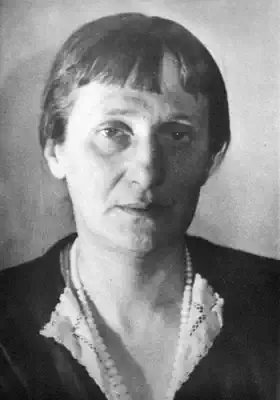
Anna Akhmatova
A sentença
A sentença
A palavra
caiu pétrea
no meu seio ainda vivo.
Não importa, eu já esperava,
de certo modo eu sabia.
Tenho muito
a fazer hoje:
matar memórias de vez,
para a alma ser de pedra
a viver mais aprender.
Ou ... o estralejar
do ardente Estio
como, além da janela, um feriado.
Há muito tempo já que vinham vindo
o luminoso dia e a vazia casa.
E não
me consentirá
que leve nada comigo
(por mais que eu peça e suplique,
por mais que a moa a rezar):
não
os olhos do meu filho,
sofrimento como pedra,
o dia de tempestade,
nem a hora da visita,
o suave frio
das mãos,
o rugir de sombras de árvore,
nem o distante som leve -
consolação das últimas palavras.
A palavra
caiu pétrea
no meu seio ainda vivo.
Não importa, eu já esperava,
de certo modo eu sabia.
Tenho muito
a fazer hoje:
matar memórias de vez,
para a alma ser de pedra
a viver mais aprender.
Ou ... o estralejar
do ardente Estio
como, além da janela, um feriado.
Há muito tempo já que vinham vindo
o luminoso dia e a vazia casa.
E não
me consentirá
que leve nada comigo
(por mais que eu peça e suplique,
por mais que a moa a rezar):
não
os olhos do meu filho,
sofrimento como pedra,
o dia de tempestade,
nem a hora da visita,
o suave frio
das mãos,
o rugir de sombras de árvore,
nem o distante som leve -
consolação das últimas palavras.
2 694
1
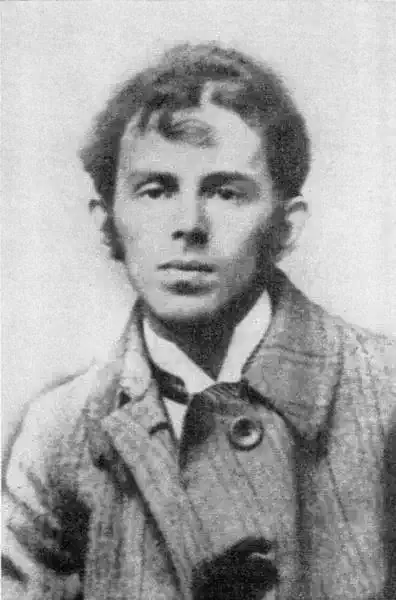
Ossip Mandelstam
Esquece o pássaro agreste,
A prisão,a velha triste-
A tudo o que viste,esquece,
Quando não serás possesso
-mal tua boca se abra-
Pelas agulhas trementes
De abertos ao romper dalba.
Lembrarás-a vespa e a quinta,
Lápis de cor e o silvestre
Mirtilo que em tua vida
Nunca no bosque colheste.
(tradução de Nina Guerra e Filipa Guerra)
A tudo o que viste,esquece,
Quando não serás possesso
-mal tua boca se abra-
Pelas agulhas trementes
De abertos ao romper dalba.
Lembrarás-a vespa e a quinta,
Lápis de cor e o silvestre
Mirtilo que em tua vida
Nunca no bosque colheste.
(tradução de Nina Guerra e Filipa Guerra)
1 482
1
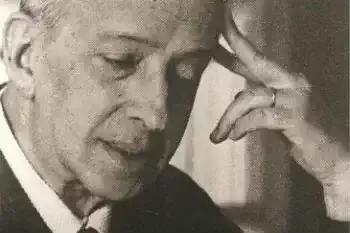
Murillo Mendes
A Tentação
Diante do crucifixo
Eu paro pálido tremendo:
"Já que és o verdadeiro filho de Deus
Desprega a humanidade desta cruz".
Eu paro pálido tremendo:
"Já que és o verdadeiro filho de Deus
Desprega a humanidade desta cruz".
1 191
1

Georges Brassens
O malandro arrependido
Ela tinha uma cintura bem torneada
cadeiras cheias
e caçava os machos nos arredores da Madeleine.
pelo seu jeito de me dizer: Meu anjo
te apeteço?
eu vi logo que se tratava de uma debutante.
Ela tinha talento, é verdade, eu o confesso.
Ela tinha gênio,
mas sem técnica um dom não é nada.
Certamente não é tão fácil ser puta como ser freira,
pelo menos é o que se reza em latim na Sorbonne.
Sentindo-me cheio de piedade pela donzela
ensinei-lhe os pequenos truques de sua profissão
e ensinei-lhe os meios para fazer logo fortuna
rebolando o lugar onde as costas se assemelham à lua,
Porque na arte de fazer o trottoir, confesso,
o difícil é saber mexer bem a bunda.
Não se mexe a bunda da mesma maneira
para um farmacêutico, um sacristão, um funcionário.
Rapidamente instruída por meus bons ofícios
ela cedeu-me uma parte de seus benefícios.
Ajudavamo-nos mutuamente, como diz o poeta:
ela era o corpo, naturalmente, e eu a cabeça.
Quando a coitada voltava para casa sem nada
dava-lhe umas porradas mais do que com razão.
Será que ela se lembra ainda do bidê com
que lhe rachei o crânio?
Uma noite, por causa de manobras duvidosas
ela caiu vítima de uma doença vergonhosa,
então, amigavelmente, como uma moça honesta
passou-me a metade de seus micróbios.
Depois de dolorosas injeções de antibióticos
desisti da profissão de cornudo sistemático.
Não adiantou que ela chorasse e gritasse feita louca
e, como eu era apenas um canalha, fiz-me honesto.
Privado logo de minha tutela, minha pobre amiga,
correu a suportar as infâmias do bordel.
Dizem que ela se vendeu até aos tiras!
Que decadência!
Já não existe mais moralidade pública
na nossa França!
cadeiras cheias
e caçava os machos nos arredores da Madeleine.
pelo seu jeito de me dizer: Meu anjo
te apeteço?
eu vi logo que se tratava de uma debutante.
Ela tinha talento, é verdade, eu o confesso.
Ela tinha gênio,
mas sem técnica um dom não é nada.
Certamente não é tão fácil ser puta como ser freira,
pelo menos é o que se reza em latim na Sorbonne.
Sentindo-me cheio de piedade pela donzela
ensinei-lhe os pequenos truques de sua profissão
e ensinei-lhe os meios para fazer logo fortuna
rebolando o lugar onde as costas se assemelham à lua,
Porque na arte de fazer o trottoir, confesso,
o difícil é saber mexer bem a bunda.
Não se mexe a bunda da mesma maneira
para um farmacêutico, um sacristão, um funcionário.
Rapidamente instruída por meus bons ofícios
ela cedeu-me uma parte de seus benefícios.
Ajudavamo-nos mutuamente, como diz o poeta:
ela era o corpo, naturalmente, e eu a cabeça.
Quando a coitada voltava para casa sem nada
dava-lhe umas porradas mais do que com razão.
Será que ela se lembra ainda do bidê com
que lhe rachei o crânio?
Uma noite, por causa de manobras duvidosas
ela caiu vítima de uma doença vergonhosa,
então, amigavelmente, como uma moça honesta
passou-me a metade de seus micróbios.
Depois de dolorosas injeções de antibióticos
desisti da profissão de cornudo sistemático.
Não adiantou que ela chorasse e gritasse feita louca
e, como eu era apenas um canalha, fiz-me honesto.
Privado logo de minha tutela, minha pobre amiga,
correu a suportar as infâmias do bordel.
Dizem que ela se vendeu até aos tiras!
Que decadência!
Já não existe mais moralidade pública
na nossa França!
1 134
1
José Tolentino Mendonça
Sobre um improviso de John Coltrane
Ainda espero o amor
como no ringue o lutador caído
espera a sala vazia
primeiro vive-se e não se pensa em nada
não me digam a mim
com o tempo apenas se consegue
chegar aos degraus da frente:
é didícil
é cada vez mais difícil entrar em casa
não discuto o que fizeram de nós estes anos
a verdade é de outra importância
mas hoje anuncio que me despeço
à procura de um país de árvores
e ainda se me deixo ficar
um pouco além do razoável
não ouvem? O amor é um cordeiro
que grita abraçado à minha canção
como no ringue o lutador caído
espera a sala vazia
primeiro vive-se e não se pensa em nada
não me digam a mim
com o tempo apenas se consegue
chegar aos degraus da frente:
é didícil
é cada vez mais difícil entrar em casa
não discuto o que fizeram de nós estes anos
a verdade é de outra importância
mas hoje anuncio que me despeço
à procura de um país de árvores
e ainda se me deixo ficar
um pouco além do razoável
não ouvem? O amor é um cordeiro
que grita abraçado à minha canção
3 628
1
José Tolentino Mendonça
Caminho do forte, machico
No caminho onde aprendi o outono
sob o azul magoado
os pescadores cruzavam ainda linhas
províncias clareiras
e esse gesto masculino de apagar a dor
chegava pelos percalços da terra
o carro do gelo
e os miúdos tiravam bocados para comer às dentadas
em retrato selvagem mas,juro-vos,havia encanto
havia qualquer coisa,outra coisa
nesse instante em perda
as mulheres sentavam-se à porta com os bordados
quando passavam estrangeiros
ficavam sempre a sorrir nas suas fotografias
sob o azul magoado
os pescadores cruzavam ainda linhas
províncias clareiras
e esse gesto masculino de apagar a dor
chegava pelos percalços da terra
o carro do gelo
e os miúdos tiravam bocados para comer às dentadas
em retrato selvagem mas,juro-vos,havia encanto
havia qualquer coisa,outra coisa
nesse instante em perda
as mulheres sentavam-se à porta com os bordados
quando passavam estrangeiros
ficavam sempre a sorrir nas suas fotografias
2 410
1
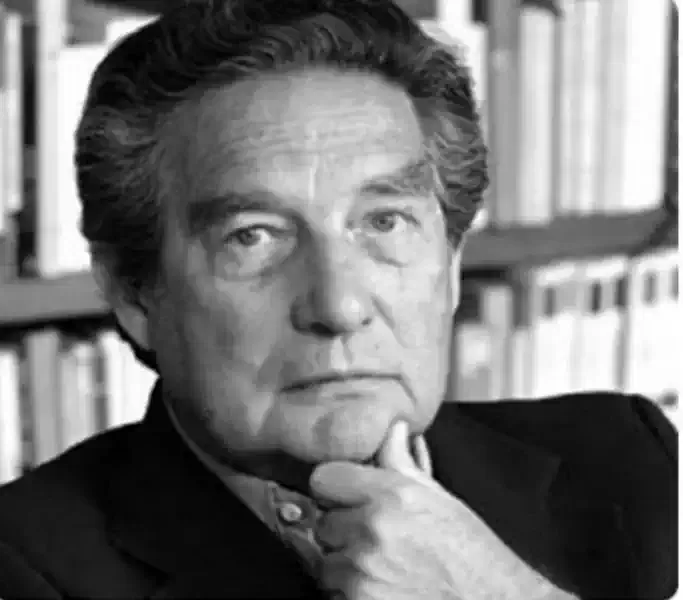
Octavio Paz
El Sediento
Por buscarme,poesía,
en ti me busqué:
deshecha estrella de agua
se anegó mi ser.
Por buscarte,poesía,
en mí naufragué.
Después sólo te buscaba
por huir de mí:
!espesura de reflejos
en que me perdí!
Mas lueho de tanta vuelta
otra vez me vi:
el mismo rostro anegado
en la misma desnudez;
la misma aguas de espejo
en las que no he de beber;
y en ele borde de esas aguas
el mismo muerto de sed.
en ti me busqué:
deshecha estrella de agua
se anegó mi ser.
Por buscarte,poesía,
en mí naufragué.
Después sólo te buscaba
por huir de mí:
!espesura de reflejos
en que me perdí!
Mas lueho de tanta vuelta
otra vez me vi:
el mismo rostro anegado
en la misma desnudez;
la misma aguas de espejo
en las que no he de beber;
y en ele borde de esas aguas
el mismo muerto de sed.
6 187
1
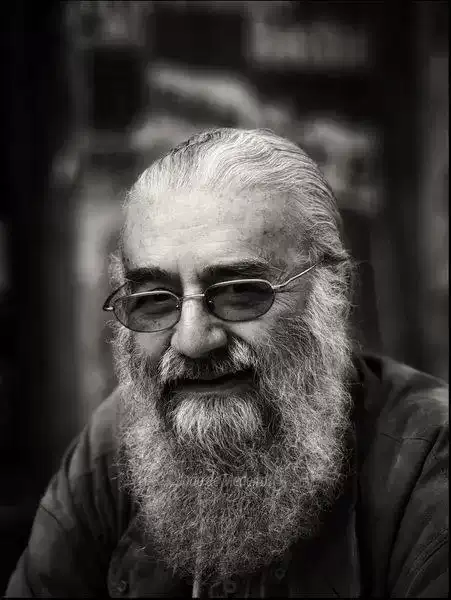
Ernesto de Melo e Castro
Enquanto um dedo esmaga
enquanto um dedo esmaga
uma curva ou um aro
outros dedos distendem
os tendões que entendem
no súbito na água
a luz vértice faro
os membros que se fendem
lábios que dizem rendem
quem diz cu diz a cona
em masculino estilo
as procuradas fendas afluentes
que no homem se excluem
na fêmea se completam
delta logo de lagos mijo nilo
uma curva ou um aro
outros dedos distendem
os tendões que entendem
no súbito na água
a luz vértice faro
os membros que se fendem
lábios que dizem rendem
quem diz cu diz a cona
em masculino estilo
as procuradas fendas afluentes
que no homem se excluem
na fêmea se completam
delta logo de lagos mijo nilo
1 078
1

Marina Tsvetaeva
Poetas
Poetas
O poeta – começa a falar de longe.
Ao poeta – a fala leva-o longe.
Por planetas,agoiros, buracos de fábulas
Sinuosas… Entre sim e não, mesmo
Ao lançar-se do campanário fará
Um rodeio… Porque a roda dos cometas –
É a rota dos poetas. Com os elos dispersos
Da causalidade– se liga! Com a fronte
Virada ao alto – te desespera! Não constam
Do calendário os eclipses do poeta.
É aquele que baralha as cartas, ilude
O peso e a medida, o que faz perguntas
Interrompendo a professora, é aquele
Que desbarata o Kant.
É ele quem, no pétreo caixão das Bastilhas,
Se ergue como árvore em toda a sua beleza.
Aquele de quem se perdem sempre as pegadas,
É aquele comboio que toda a gente
Perde…-
Porque a rota dos cometas
É a rota dos poetas: queimando sem calor,
Arrancando sem semear – explodir, romper –
O teu rumo, a tua curva de crinas,
Não consta do calendário!
8 de
Abril de 1923
(tradução
de Nina Guerra e Filipe Guerra)
O poeta – começa a falar de longe.
Ao poeta – a fala leva-o longe.
Por planetas,agoiros, buracos de fábulas
Sinuosas… Entre sim e não, mesmo
Ao lançar-se do campanário fará
Um rodeio… Porque a roda dos cometas –
É a rota dos poetas. Com os elos dispersos
Da causalidade– se liga! Com a fronte
Virada ao alto – te desespera! Não constam
Do calendário os eclipses do poeta.
É aquele que baralha as cartas, ilude
O peso e a medida, o que faz perguntas
Interrompendo a professora, é aquele
Que desbarata o Kant.
É ele quem, no pétreo caixão das Bastilhas,
Se ergue como árvore em toda a sua beleza.
Aquele de quem se perdem sempre as pegadas,
É aquele comboio que toda a gente
Perde…-
Porque a rota dos cometas
É a rota dos poetas: queimando sem calor,
Arrancando sem semear – explodir, romper –
O teu rumo, a tua curva de crinas,
Não consta do calendário!
8 de
Abril de 1923
(tradução
de Nina Guerra e Filipe Guerra)
1 934
1
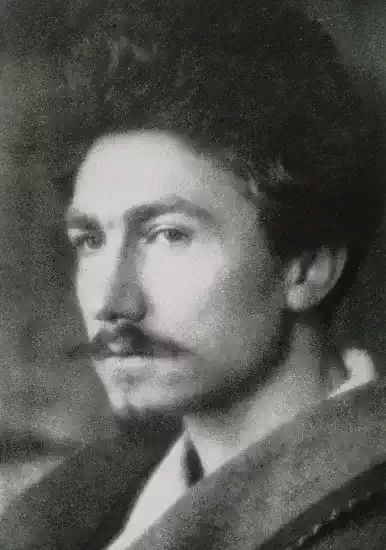
Ezra Pound
Canto I
And then went down to the ship,
Set keel to breakers, forth on the godly sea, and
We set up mast and sail on tha swart ship,
Bore sheep aboard her, and our bodies also
Heavy with weeping, so winds from sternward
Bore us out onward with bellying canvas,
Circes this craft, the trim-coifed goddess.
Then sat we amidships, wind jamming the tiller,
Thus with stretched sail, we went over sea till days end.
Sun to his slumber, shadows oer all the ocean,
Came we then to the bounds of deepest water,
To the Kimmerian lands, and peopled cities
Covered with close-webbed mist, unpierced ever
With glitter of sun-rays
Nor with stars stretched, nor looking back from heaven
Swartest night stretched over wretched men there.
The ocean flowing backward, came we then to the place
Aforesaid by Circe.
Here did they rites, Perimedes and Eurylochus,
And drawing sword from my hip
I dug the ell-square pitkin;
Poured we libations unto each the dead,
First mead and then sweet wine, water mixed with white flour.
Then prayed I many a prayer to the sickly deaths-head;
As set in Ithaca, sterile bulls of the best
For sacrifice, heaping the pyre with goods,
A sheep to Tiresias only, black and a bell-sheep.
Dark blood flowed in the fosse,
Souls out of Erebus, cadaverous dead, of brides
Of youths and at the old who had borne much;
Souls stained with recent tears, girls tender,
Men many, mauled with bronze lance heads,
Battle spoil, bearing yet dreory arms,
These many crowded about me; with shouting,
Pallor upon me, cried to my men for more beasts;
Slaughtered the heards, sheep slain of bronze;
Poured ointment, cried to the gods,
To Pluto the strong, and praised Proserpine;
Unsheathed the narrow sword,
I sat to keep off the impetuous impotent dead,
Till I should hear Tiresias.
But first Elpenor came, our friend Elpenor,
Unburied, cast on the wide earth,
Limbs that we left in the house of Circe,
Unwept, unwrapped in sepulchre, since toils urged other.
Pitiful spirit. And I cried in hurried speech:
"Elpenor, how art thou come to this dark coast?
Camst thou afoot, outstripping seamen?"
And he in heavy speech:
"Ill fate and abundant wine. I slept in Circes ingle.
Going down the long ladder unguarded,
I fell against the buttress,
Shattered the nape-nerve, the soul sought Avernus.
But thou, O King, I bid remember me, unwept, unburied,
Heap up mine arms, be tomb by sea-bord, and inscribed:
A man of no fortune, and with a name to come.
And set my oar up, that I swung mid fellows."
And Anticlea came, whom I beat off, and then Tiresias Theban,
Holding his golden wand, knew me, and spoke first:
"A second time? why? man of ill star,
Facing the sunless dead and this joyless region?
Stand from the fosse, leave me my bloody bever
For soothsay."
And I stepped back,
And he stong with the blood, said then: "Odysseus
Shalt return through spiteful Neptune, over dark seas,
Lose all companions." And then Anticlea came.
Lie quiet Divus. I mean, that is Andreas Divus,
In officina Wecheli, 1538, out of Homer.
And he sailed, by Sirens and thence outward and away
And unto Circe.
Venerandam,
In the Creatans phrase, with the golden crown, Aphrodite,
Cypri munimenta sortita est, mirthful, orichalchi, with golden
Girdles and breast bands, thou with dark eyelids
Bearing the golden bough of Argicida. So that:
Set keel to breakers, forth on the godly sea, and
We set up mast and sail on tha swart ship,
Bore sheep aboard her, and our bodies also
Heavy with weeping, so winds from sternward
Bore us out onward with bellying canvas,
Circes this craft, the trim-coifed goddess.
Then sat we amidships, wind jamming the tiller,
Thus with stretched sail, we went over sea till days end.
Sun to his slumber, shadows oer all the ocean,
Came we then to the bounds of deepest water,
To the Kimmerian lands, and peopled cities
Covered with close-webbed mist, unpierced ever
With glitter of sun-rays
Nor with stars stretched, nor looking back from heaven
Swartest night stretched over wretched men there.
The ocean flowing backward, came we then to the place
Aforesaid by Circe.
Here did they rites, Perimedes and Eurylochus,
And drawing sword from my hip
I dug the ell-square pitkin;
Poured we libations unto each the dead,
First mead and then sweet wine, water mixed with white flour.
Then prayed I many a prayer to the sickly deaths-head;
As set in Ithaca, sterile bulls of the best
For sacrifice, heaping the pyre with goods,
A sheep to Tiresias only, black and a bell-sheep.
Dark blood flowed in the fosse,
Souls out of Erebus, cadaverous dead, of brides
Of youths and at the old who had borne much;
Souls stained with recent tears, girls tender,
Men many, mauled with bronze lance heads,
Battle spoil, bearing yet dreory arms,
These many crowded about me; with shouting,
Pallor upon me, cried to my men for more beasts;
Slaughtered the heards, sheep slain of bronze;
Poured ointment, cried to the gods,
To Pluto the strong, and praised Proserpine;
Unsheathed the narrow sword,
I sat to keep off the impetuous impotent dead,
Till I should hear Tiresias.
But first Elpenor came, our friend Elpenor,
Unburied, cast on the wide earth,
Limbs that we left in the house of Circe,
Unwept, unwrapped in sepulchre, since toils urged other.
Pitiful spirit. And I cried in hurried speech:
"Elpenor, how art thou come to this dark coast?
Camst thou afoot, outstripping seamen?"
And he in heavy speech:
"Ill fate and abundant wine. I slept in Circes ingle.
Going down the long ladder unguarded,
I fell against the buttress,
Shattered the nape-nerve, the soul sought Avernus.
But thou, O King, I bid remember me, unwept, unburied,
Heap up mine arms, be tomb by sea-bord, and inscribed:
A man of no fortune, and with a name to come.
And set my oar up, that I swung mid fellows."
And Anticlea came, whom I beat off, and then Tiresias Theban,
Holding his golden wand, knew me, and spoke first:
"A second time? why? man of ill star,
Facing the sunless dead and this joyless region?
Stand from the fosse, leave me my bloody bever
For soothsay."
And I stepped back,
And he stong with the blood, said then: "Odysseus
Shalt return through spiteful Neptune, over dark seas,
Lose all companions." And then Anticlea came.
Lie quiet Divus. I mean, that is Andreas Divus,
In officina Wecheli, 1538, out of Homer.
And he sailed, by Sirens and thence outward and away
And unto Circe.
Venerandam,
In the Creatans phrase, with the golden crown, Aphrodite,
Cypri munimenta sortita est, mirthful, orichalchi, with golden
Girdles and breast bands, thou with dark eyelids
Bearing the golden bough of Argicida. So that:
2 293
1
Ezra Pound
Canto I
And then went down to the ship,
Set keel to breakers, forth on the godly sea, and
We set up mast and sail on tha swart ship,
Bore sheep aboard her, and our bodies also
Heavy with weeping, so winds from sternward
Bore us out onward with bellying canvas,
Circes this craft, the trim-coifed goddess.
Then sat we amidships, wind jamming the tiller,
Thus with stretched sail, we went over sea till days end.
Sun to his slumber, shadows oer all the ocean,
Came we then to the bounds of deepest water,
To the Kimmerian lands, and peopled cities
Covered with close-webbed mist, unpierced ever
With glitter of sun-rays
Nor with stars stretched, nor looking back from heaven
Swartest night stretched over wretched men there.
The ocean flowing backward, came we then to the place
Aforesaid by Circe.
Here did they rites, Perimedes and Eurylochus,
And drawing sword from my hip
I dug the ell-square pitkin;
Poured we libations unto each the dead,
First mead and then sweet wine, water mixed with white flour.
Then prayed I many a prayer to the sickly deaths-head;
As set in Ithaca, sterile bulls of the best
For sacrifice, heaping the pyre with goods,
A sheep to Tiresias only, black and a bell-sheep.
Dark blood flowed in the fosse,
Souls out of Erebus, cadaverous dead, of brides
Of youths and at the old who had borne much;
Souls stained with recent tears, girls tender,
Men many, mauled with bronze lance heads,
Battle spoil, bearing yet dreory arms,
These many crowded about me; with shouting,
Pallor upon me, cried to my men for more beasts;
Slaughtered the heards, sheep slain of bronze;
Poured ointment, cried to the gods,
To Pluto the strong, and praised Proserpine;
Unsheathed the narrow sword,
I sat to keep off the impetuous impotent dead,
Till I should hear Tiresias.
But first Elpenor came, our friend Elpenor,
Unburied, cast on the wide earth,
Limbs that we left in the house of Circe,
Unwept, unwrapped in sepulchre, since toils urged other.
Pitiful spirit. And I cried in hurried speech:
"Elpenor, how art thou come to this dark coast?
Camst thou afoot, outstripping seamen?"
And he in heavy speech:
"Ill fate and abundant wine. I slept in Circes ingle.
Going down the long ladder unguarded,
I fell against the buttress,
Shattered the nape-nerve, the soul sought Avernus.
But thou, O King, I bid remember me, unwept, unburied,
Heap up mine arms, be tomb by sea-bord, and inscribed:
A man of no fortune, and with a name to come.
And set my oar up, that I swung mid fellows."
And Anticlea came, whom I beat off, and then Tiresias Theban,
Holding his golden wand, knew me, and spoke first:
"A second time? why? man of ill star,
Facing the sunless dead and this joyless region?
Stand from the fosse, leave me my bloody bever
For soothsay."
And I stepped back,
And he stong with the blood, said then: "Odysseus
Shalt return through spiteful Neptune, over dark seas,
Lose all companions." And then Anticlea came.
Lie quiet Divus. I mean, that is Andreas Divus,
In officina Wecheli, 1538, out of Homer.
And he sailed, by Sirens and thence outward and away
And unto Circe.
Venerandam,
In the Creatans phrase, with the golden crown, Aphrodite,
Cypri munimenta sortita est, mirthful, orichalchi, with golden
Girdles and breast bands, thou with dark eyelids
Bearing the golden bough of Argicida. So that:
Set keel to breakers, forth on the godly sea, and
We set up mast and sail on tha swart ship,
Bore sheep aboard her, and our bodies also
Heavy with weeping, so winds from sternward
Bore us out onward with bellying canvas,
Circes this craft, the trim-coifed goddess.
Then sat we amidships, wind jamming the tiller,
Thus with stretched sail, we went over sea till days end.
Sun to his slumber, shadows oer all the ocean,
Came we then to the bounds of deepest water,
To the Kimmerian lands, and peopled cities
Covered with close-webbed mist, unpierced ever
With glitter of sun-rays
Nor with stars stretched, nor looking back from heaven
Swartest night stretched over wretched men there.
The ocean flowing backward, came we then to the place
Aforesaid by Circe.
Here did they rites, Perimedes and Eurylochus,
And drawing sword from my hip
I dug the ell-square pitkin;
Poured we libations unto each the dead,
First mead and then sweet wine, water mixed with white flour.
Then prayed I many a prayer to the sickly deaths-head;
As set in Ithaca, sterile bulls of the best
For sacrifice, heaping the pyre with goods,
A sheep to Tiresias only, black and a bell-sheep.
Dark blood flowed in the fosse,
Souls out of Erebus, cadaverous dead, of brides
Of youths and at the old who had borne much;
Souls stained with recent tears, girls tender,
Men many, mauled with bronze lance heads,
Battle spoil, bearing yet dreory arms,
These many crowded about me; with shouting,
Pallor upon me, cried to my men for more beasts;
Slaughtered the heards, sheep slain of bronze;
Poured ointment, cried to the gods,
To Pluto the strong, and praised Proserpine;
Unsheathed the narrow sword,
I sat to keep off the impetuous impotent dead,
Till I should hear Tiresias.
But first Elpenor came, our friend Elpenor,
Unburied, cast on the wide earth,
Limbs that we left in the house of Circe,
Unwept, unwrapped in sepulchre, since toils urged other.
Pitiful spirit. And I cried in hurried speech:
"Elpenor, how art thou come to this dark coast?
Camst thou afoot, outstripping seamen?"
And he in heavy speech:
"Ill fate and abundant wine. I slept in Circes ingle.
Going down the long ladder unguarded,
I fell against the buttress,
Shattered the nape-nerve, the soul sought Avernus.
But thou, O King, I bid remember me, unwept, unburied,
Heap up mine arms, be tomb by sea-bord, and inscribed:
A man of no fortune, and with a name to come.
And set my oar up, that I swung mid fellows."
And Anticlea came, whom I beat off, and then Tiresias Theban,
Holding his golden wand, knew me, and spoke first:
"A second time? why? man of ill star,
Facing the sunless dead and this joyless region?
Stand from the fosse, leave me my bloody bever
For soothsay."
And I stepped back,
And he stong with the blood, said then: "Odysseus
Shalt return through spiteful Neptune, over dark seas,
Lose all companions." And then Anticlea came.
Lie quiet Divus. I mean, that is Andreas Divus,
In officina Wecheli, 1538, out of Homer.
And he sailed, by Sirens and thence outward and away
And unto Circe.
Venerandam,
In the Creatans phrase, with the golden crown, Aphrodite,
Cypri munimenta sortita est, mirthful, orichalchi, with golden
Girdles and breast bands, thou with dark eyelids
Bearing the golden bough of Argicida. So that:
2 293
1
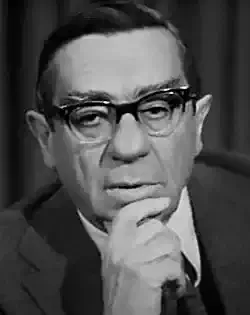
Vitorino Nemésio
Regresso
Ao coronel Sacadura
Cavalo e cavaleiro o vento adornam
Com uma pata e uma pluma;
À tarde unidos tornam,
Um estame de sangue numa rosa de espuma.
Tanta pressa,para coisa nenhuma.
de O Cavalo Encantado
Cavalo e cavaleiro o vento adornam
Com uma pata e uma pluma;
À tarde unidos tornam,
Um estame de sangue numa rosa de espuma.
Tanta pressa,para coisa nenhuma.
de O Cavalo Encantado
2 707
1
Vitorino Nemésio
Regresso
Ao coronel Sacadura
Cavalo e cavaleiro o vento adornam
Com uma pata e uma pluma;
À tarde unidos tornam,
Um estame de sangue numa rosa de espuma.
Tanta pressa,para coisa nenhuma.
de O Cavalo Encantado
Cavalo e cavaleiro o vento adornam
Com uma pata e uma pluma;
À tarde unidos tornam,
Um estame de sangue numa rosa de espuma.
Tanta pressa,para coisa nenhuma.
de O Cavalo Encantado
2 707
1
José Tolentino Mendonça
Calle Principe, 25
Perdemos repentinamente
a profundidade dos campos
os enigmas singulares
a claridade que juramos
a conservar
mas levamos anos
a esquecer alguém
que nos olhou apenas
a profundidade dos campos
os enigmas singulares
a claridade que juramos
a conservar
mas levamos anos
a esquecer alguém
que nos olhou apenas
3 180
1
José Tolentino Mendonça
Calle Principe, 25
Perdemos repentinamente
a profundidade dos campos
os enigmas singulares
a claridade que juramos
a conservar
mas levamos anos
a esquecer alguém
que nos olhou apenas
a profundidade dos campos
os enigmas singulares
a claridade que juramos
a conservar
mas levamos anos
a esquecer alguém
que nos olhou apenas
3 180
1

Natércia Freire
E levantam-se as pessoas
E levantam-se as pessoas
E levantam-se as
pessoascomo quem se adormecesse.Preparam-se para o
sonode uma vigília nas ruasnas casas e nos
empregos.E naufragam e sufocamnas avenidas do
Tempo.Conversam como quem fechacreches gaiolas
enterros-crianças aves e mortosNos sorrisos e nos
risosna lucidez dos reflexospensam os tristes dos
homensganhar os dias correndo.Mas são retidos nas
sombras.São amarrados aos ventosão sacudidos em
potrose forcas de entendimento.Eles que são
cabeleiras,nas chuvas de outros intentosnos rios e nas
goteiras.E levantam-se as pessoascomo quem fosse
viver.Dá o Sol por sobre o Diafaz o dia
apodrecer.(Maduro quer dizer Mortecom toda a
sabedoria)Deitam-se então as pessoaspara a morte de outro
dia.
E levantam-se as
pessoascomo quem se adormecesse.Preparam-se para o
sonode uma vigília nas ruasnas casas e nos
empregos.E naufragam e sufocamnas avenidas do
Tempo.Conversam como quem fechacreches gaiolas
enterros-crianças aves e mortosNos sorrisos e nos
risosna lucidez dos reflexospensam os tristes dos
homensganhar os dias correndo.Mas são retidos nas
sombras.São amarrados aos ventosão sacudidos em
potrose forcas de entendimento.Eles que são
cabeleiras,nas chuvas de outros intentosnos rios e nas
goteiras.E levantam-se as pessoascomo quem fosse
viver.Dá o Sol por sobre o Diafaz o dia
apodrecer.(Maduro quer dizer Mortecom toda a
sabedoria)Deitam-se então as pessoaspara a morte de outro
dia.
1 372
1
Natércia Freire
E levantam-se as pessoas
E levantam-se as pessoas
E levantam-se as
pessoascomo quem se adormecesse.Preparam-se para o
sonode uma vigília nas ruasnas casas e nos
empregos.E naufragam e sufocamnas avenidas do
Tempo.Conversam como quem fechacreches gaiolas
enterros-crianças aves e mortosNos sorrisos e nos
risosna lucidez dos reflexospensam os tristes dos
homensganhar os dias correndo.Mas são retidos nas
sombras.São amarrados aos ventosão sacudidos em
potrose forcas de entendimento.Eles que são
cabeleiras,nas chuvas de outros intentosnos rios e nas
goteiras.E levantam-se as pessoascomo quem fosse
viver.Dá o Sol por sobre o Diafaz o dia
apodrecer.(Maduro quer dizer Mortecom toda a
sabedoria)Deitam-se então as pessoaspara a morte de outro
dia.
E levantam-se as
pessoascomo quem se adormecesse.Preparam-se para o
sonode uma vigília nas ruasnas casas e nos
empregos.E naufragam e sufocamnas avenidas do
Tempo.Conversam como quem fechacreches gaiolas
enterros-crianças aves e mortosNos sorrisos e nos
risosna lucidez dos reflexospensam os tristes dos
homensganhar os dias correndo.Mas são retidos nas
sombras.São amarrados aos ventosão sacudidos em
potrose forcas de entendimento.Eles que são
cabeleiras,nas chuvas de outros intentosnos rios e nas
goteiras.E levantam-se as pessoascomo quem fosse
viver.Dá o Sol por sobre o Diafaz o dia
apodrecer.(Maduro quer dizer Mortecom toda a
sabedoria)Deitam-se então as pessoaspara a morte de outro
dia.
1 372
1
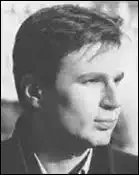
Luís Miguel Nava
O abismo
Com a sua pele de poço,
pele comprometida com o medo que no fundo fede e a que,
digamos,toda ela adere de uma forma resoluta,
dir-se-ia que se engancha, se pendura,
o branco da memória a alastrar pelo corpo,
um branco tão branco como o das noites em branco
e sobre o qual a idade, exorbitada, hiante, se insinua,
pensos, ligaduras, impregnados de memória,
uma memória onde fulgura a lava dos sentidos que entram
em actividade e lhe disputam os dias idos,
assim ergue a balança,onde sustém o abismo.
pele comprometida com o medo que no fundo fede e a que,
digamos,toda ela adere de uma forma resoluta,
dir-se-ia que se engancha, se pendura,
o branco da memória a alastrar pelo corpo,
um branco tão branco como o das noites em branco
e sobre o qual a idade, exorbitada, hiante, se insinua,
pensos, ligaduras, impregnados de memória,
uma memória onde fulgura a lava dos sentidos que entram
em actividade e lhe disputam os dias idos,
assim ergue a balança,onde sustém o abismo.
1 934
1