

Poemas neste tema
Sociedade e Mundo
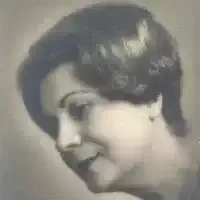
Natércia Freire
E levantam-se as pessoas
E levantam-se as pessoas
E levantam-se as
pessoascomo quem se adormecesse.Preparam-se para o
sonode uma vigília nas ruasnas casas e nos
empregos.E naufragam e sufocamnas avenidas do
Tempo.Conversam como quem fechacreches gaiolas
enterros-crianças aves e mortosNos sorrisos e nos
risosna lucidez dos reflexospensam os tristes dos
homensganhar os dias correndo.Mas são retidos nas
sombras.São amarrados aos ventosão sacudidos em
potrose forcas de entendimento.Eles que são
cabeleiras,nas chuvas de outros intentosnos rios e nas
goteiras.E levantam-se as pessoascomo quem fosse
viver.Dá o Sol por sobre o Diafaz o dia
apodrecer.(Maduro quer dizer Mortecom toda a
sabedoria)Deitam-se então as pessoaspara a morte de outro
dia.
E levantam-se as
pessoascomo quem se adormecesse.Preparam-se para o
sonode uma vigília nas ruasnas casas e nos
empregos.E naufragam e sufocamnas avenidas do
Tempo.Conversam como quem fechacreches gaiolas
enterros-crianças aves e mortosNos sorrisos e nos
risosna lucidez dos reflexospensam os tristes dos
homensganhar os dias correndo.Mas são retidos nas
sombras.São amarrados aos ventosão sacudidos em
potrose forcas de entendimento.Eles que são
cabeleiras,nas chuvas de outros intentosnos rios e nas
goteiras.E levantam-se as pessoascomo quem fosse
viver.Dá o Sol por sobre o Diafaz o dia
apodrecer.(Maduro quer dizer Mortecom toda a
sabedoria)Deitam-se então as pessoaspara a morte de outro
dia.
1 372
1
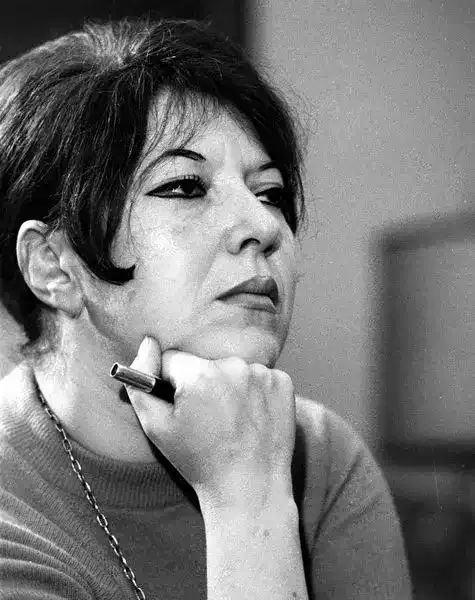
Natália Correia
A verdadeira litania para os tempos da revolução
Burgueses somos nós todos
ó literatos
burgueses somos nós todosratos e gatos Mário Cesariny
Mário nós não somos todos burgueses
os gatos e os ratos se quiseres,
os literatos esses são franceses
e todos soletramos malmequeres.
Da vida o verbo intransitivo
não é burguês é ruim;
e eu que nas nuvens vivo
nuvens!o que direi de mim?
Burguês é esse menino extraordinário
que nasce todos os anos em Belém
e a poesia se não diz isto Mário
é burguesa também.
Burguês é o carro funerário.
Os mortos são naturalmente comunistas.
Nós não somos burgueses Mário
o que nós somos todos é sebastianistas.
de Inéditos(1959/61)
ó literatos
burgueses somos nós todosratos e gatos Mário Cesariny
Mário nós não somos todos burgueses
os gatos e os ratos se quiseres,
os literatos esses são franceses
e todos soletramos malmequeres.
Da vida o verbo intransitivo
não é burguês é ruim;
e eu que nas nuvens vivo
nuvens!o que direi de mim?
Burguês é esse menino extraordinário
que nasce todos os anos em Belém
e a poesia se não diz isto Mário
é burguesa também.
Burguês é o carro funerário.
Os mortos são naturalmente comunistas.
Nós não somos burgueses Mário
o que nós somos todos é sebastianistas.
de Inéditos(1959/61)
3 508
1
Natália Correia
A verdadeira litania para os tempos da revolução
Burgueses somos nós todos
ó literatos
burgueses somos nós todosratos e gatos Mário Cesariny
Mário nós não somos todos burgueses
os gatos e os ratos se quiseres,
os literatos esses são franceses
e todos soletramos malmequeres.
Da vida o verbo intransitivo
não é burguês é ruim;
e eu que nas nuvens vivo
nuvens!o que direi de mim?
Burguês é esse menino extraordinário
que nasce todos os anos em Belém
e a poesia se não diz isto Mário
é burguesa também.
Burguês é o carro funerário.
Os mortos são naturalmente comunistas.
Nós não somos burgueses Mário
o que nós somos todos é sebastianistas.
de Inéditos(1959/61)
ó literatos
burgueses somos nós todosratos e gatos Mário Cesariny
Mário nós não somos todos burgueses
os gatos e os ratos se quiseres,
os literatos esses são franceses
e todos soletramos malmequeres.
Da vida o verbo intransitivo
não é burguês é ruim;
e eu que nas nuvens vivo
nuvens!o que direi de mim?
Burguês é esse menino extraordinário
que nasce todos os anos em Belém
e a poesia se não diz isto Mário
é burguesa também.
Burguês é o carro funerário.
Os mortos são naturalmente comunistas.
Nós não somos burgueses Mário
o que nós somos todos é sebastianistas.
de Inéditos(1959/61)
3 508
1
Natália Correia
A verdadeira litania para os tempos da revolução
Burgueses somos nós todos
ó literatos
burgueses somos nós todosratos e gatos Mário Cesariny
Mário nós não somos todos burgueses
os gatos e os ratos se quiseres,
os literatos esses são franceses
e todos soletramos malmequeres.
Da vida o verbo intransitivo
não é burguês é ruim;
e eu que nas nuvens vivo
nuvens!o que direi de mim?
Burguês é esse menino extraordinário
que nasce todos os anos em Belém
e a poesia se não diz isto Mário
é burguesa também.
Burguês é o carro funerário.
Os mortos são naturalmente comunistas.
Nós não somos burgueses Mário
o que nós somos todos é sebastianistas.
de Inéditos(1959/61)
ó literatos
burgueses somos nós todosratos e gatos Mário Cesariny
Mário nós não somos todos burgueses
os gatos e os ratos se quiseres,
os literatos esses são franceses
e todos soletramos malmequeres.
Da vida o verbo intransitivo
não é burguês é ruim;
e eu que nas nuvens vivo
nuvens!o que direi de mim?
Burguês é esse menino extraordinário
que nasce todos os anos em Belém
e a poesia se não diz isto Mário
é burguesa também.
Burguês é o carro funerário.
Os mortos são naturalmente comunistas.
Nós não somos burgueses Mário
o que nós somos todos é sebastianistas.
de Inéditos(1959/61)
3 508
1
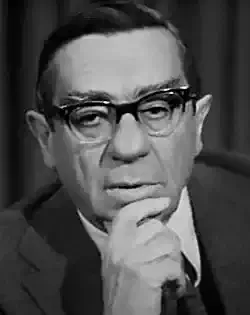
Vitorino Nemésio
De Rembrandt a Van Gogh a tinta és tu
Em rosa de bateira e sol de vinho.
O tempo fez-se-me fome,
Mas levantas os braços-e é o moinho.
Como a corça na Haia plo rebento
E a ponte levadiça,
Vais em maneira,amor e movimento,
Vela da tarde,dique do meu sangue:
Afinal só um pouco de mulher
Que a palavra detém e´águas cultivam.
Graça do vento em céus inesperados,
Gaivota és para mim que nasci delas;
No milagre de sermos encontrados
Já de Amesterdão são nossas as janelas.
Taça a taça trocámos anéis áureos
De vinho português sobre holandilha:
Quem via-como saber
Se era braço de noivo ou mão de filha?
Mas sempre tinta à tarde!Eras a Lua
Que em foice adestra os calmos céus dos pólderes:
Eu ceifava a manhã nos teus cabelos,
Contava-os um a um,canal abaixo,
E,deitado nos verbos que te evocam,
Feliz com um pintor que vende pouco,
Era holandês por ti...
Que,bem pensando,
O que eu cá sou,céus de Van gogh,é louco!
de O Andamento
Holandês
O tempo fez-se-me fome,
Mas levantas os braços-e é o moinho.
Como a corça na Haia plo rebento
E a ponte levadiça,
Vais em maneira,amor e movimento,
Vela da tarde,dique do meu sangue:
Afinal só um pouco de mulher
Que a palavra detém e´águas cultivam.
Graça do vento em céus inesperados,
Gaivota és para mim que nasci delas;
No milagre de sermos encontrados
Já de Amesterdão são nossas as janelas.
Taça a taça trocámos anéis áureos
De vinho português sobre holandilha:
Quem via-como saber
Se era braço de noivo ou mão de filha?
Mas sempre tinta à tarde!Eras a Lua
Que em foice adestra os calmos céus dos pólderes:
Eu ceifava a manhã nos teus cabelos,
Contava-os um a um,canal abaixo,
E,deitado nos verbos que te evocam,
Feliz com um pintor que vende pouco,
Era holandês por ti...
Que,bem pensando,
O que eu cá sou,céus de Van gogh,é louco!
de O Andamento
Holandês
1 863
1
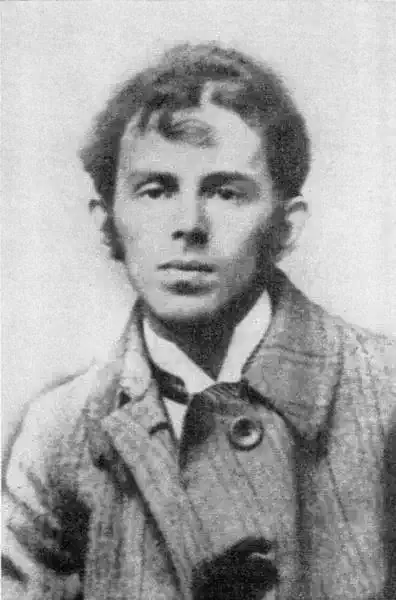
Ossip Mandelstam
Esquece o pássaro agreste,
A prisão,a velha triste-
A tudo o que viste,esquece,
Quando não serás possesso
-mal tua boca se abra-
Pelas agulhas trementes
De abertos ao romper dalba.
Lembrarás-a vespa e a quinta,
Lápis de cor e o silvestre
Mirtilo que em tua vida
Nunca no bosque colheste.
(tradução de Nina Guerra e Filipa Guerra)
A tudo o que viste,esquece,
Quando não serás possesso
-mal tua boca se abra-
Pelas agulhas trementes
De abertos ao romper dalba.
Lembrarás-a vespa e a quinta,
Lápis de cor e o silvestre
Mirtilo que em tua vida
Nunca no bosque colheste.
(tradução de Nina Guerra e Filipa Guerra)
1 479
1
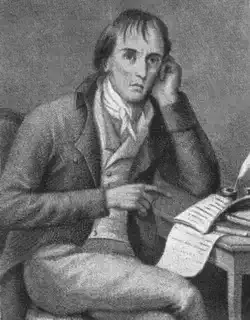
Bocage
Soneto do Pregador Pecador
Bojudo fradalhão de larga venta,
Abysmo immundo de tabaco esturro,
Doutor na asneira, na sciencia burro,
Com barba hirsuta, que no peito assenta:
No pulpito um domingo se apresenta;
Préga nas grades espantoso murro;
E acalmado do povo o gran sussurro
O dique das asneiras arrebenta.
Quatro putas mofavam de seus brados,
Não querendo que gritasse contra as modas
Um peccador dos mais desaforados:
«Não (diz uma) tu, padre, não me engodas:
Sempre me ha de lembrar por meus peccados
A noute, em que me deste nove fodas!»
Abysmo immundo de tabaco esturro,
Doutor na asneira, na sciencia burro,
Com barba hirsuta, que no peito assenta:
No pulpito um domingo se apresenta;
Préga nas grades espantoso murro;
E acalmado do povo o gran sussurro
O dique das asneiras arrebenta.
Quatro putas mofavam de seus brados,
Não querendo que gritasse contra as modas
Um peccador dos mais desaforados:
«Não (diz uma) tu, padre, não me engodas:
Sempre me ha de lembrar por meus peccados
A noute, em que me deste nove fodas!»
2 227
1
Vitorino Nemésio
O recorte de um cão,na areia,ao luar,
Seu passo imprime
O cuidado miúdo e honesto de passar.
Mas que tristeza oprime
Tanto cão que vai uivar a tanta eira?
Que longo e liso,o fio da noite!
-E amar,esperar desta maneira!
Numa cidade deserta
(Talvez outra,ou Nínive)
Encontrei um anel,uma oferta,
Da vértebra de um cão,
Para uma mulher que já não vive.
Mas tudo isso foi em vão,
E até nem sei se esse osso tive.
de Eu,Comovido A
Oeste
O cuidado miúdo e honesto de passar.
Mas que tristeza oprime
Tanto cão que vai uivar a tanta eira?
Que longo e liso,o fio da noite!
-E amar,esperar desta maneira!
Numa cidade deserta
(Talvez outra,ou Nínive)
Encontrei um anel,uma oferta,
Da vértebra de um cão,
Para uma mulher que já não vive.
Mas tudo isso foi em vão,
E até nem sei se esse osso tive.
de Eu,Comovido A
Oeste
1 756
1

Georges Brassens
O malandro arrependido
Ela tinha uma cintura bem torneada
cadeiras cheias
e caçava os machos nos arredores da Madeleine.
pelo seu jeito de me dizer: Meu anjo
te apeteço?
eu vi logo que se tratava de uma debutante.
Ela tinha talento, é verdade, eu o confesso.
Ela tinha gênio,
mas sem técnica um dom não é nada.
Certamente não é tão fácil ser puta como ser freira,
pelo menos é o que se reza em latim na Sorbonne.
Sentindo-me cheio de piedade pela donzela
ensinei-lhe os pequenos truques de sua profissão
e ensinei-lhe os meios para fazer logo fortuna
rebolando o lugar onde as costas se assemelham à lua,
Porque na arte de fazer o trottoir, confesso,
o difícil é saber mexer bem a bunda.
Não se mexe a bunda da mesma maneira
para um farmacêutico, um sacristão, um funcionário.
Rapidamente instruída por meus bons ofícios
ela cedeu-me uma parte de seus benefícios.
Ajudavamo-nos mutuamente, como diz o poeta:
ela era o corpo, naturalmente, e eu a cabeça.
Quando a coitada voltava para casa sem nada
dava-lhe umas porradas mais do que com razão.
Será que ela se lembra ainda do bidê com
que lhe rachei o crânio?
Uma noite, por causa de manobras duvidosas
ela caiu vítima de uma doença vergonhosa,
então, amigavelmente, como uma moça honesta
passou-me a metade de seus micróbios.
Depois de dolorosas injeções de antibióticos
desisti da profissão de cornudo sistemático.
Não adiantou que ela chorasse e gritasse feita louca
e, como eu era apenas um canalha, fiz-me honesto.
Privado logo de minha tutela, minha pobre amiga,
correu a suportar as infâmias do bordel.
Dizem que ela se vendeu até aos tiras!
Que decadência!
Já não existe mais moralidade pública
na nossa França!
cadeiras cheias
e caçava os machos nos arredores da Madeleine.
pelo seu jeito de me dizer: Meu anjo
te apeteço?
eu vi logo que se tratava de uma debutante.
Ela tinha talento, é verdade, eu o confesso.
Ela tinha gênio,
mas sem técnica um dom não é nada.
Certamente não é tão fácil ser puta como ser freira,
pelo menos é o que se reza em latim na Sorbonne.
Sentindo-me cheio de piedade pela donzela
ensinei-lhe os pequenos truques de sua profissão
e ensinei-lhe os meios para fazer logo fortuna
rebolando o lugar onde as costas se assemelham à lua,
Porque na arte de fazer o trottoir, confesso,
o difícil é saber mexer bem a bunda.
Não se mexe a bunda da mesma maneira
para um farmacêutico, um sacristão, um funcionário.
Rapidamente instruída por meus bons ofícios
ela cedeu-me uma parte de seus benefícios.
Ajudavamo-nos mutuamente, como diz o poeta:
ela era o corpo, naturalmente, e eu a cabeça.
Quando a coitada voltava para casa sem nada
dava-lhe umas porradas mais do que com razão.
Será que ela se lembra ainda do bidê com
que lhe rachei o crânio?
Uma noite, por causa de manobras duvidosas
ela caiu vítima de uma doença vergonhosa,
então, amigavelmente, como uma moça honesta
passou-me a metade de seus micróbios.
Depois de dolorosas injeções de antibióticos
desisti da profissão de cornudo sistemático.
Não adiantou que ela chorasse e gritasse feita louca
e, como eu era apenas um canalha, fiz-me honesto.
Privado logo de minha tutela, minha pobre amiga,
correu a suportar as infâmias do bordel.
Dizem que ela se vendeu até aos tiras!
Que decadência!
Já não existe mais moralidade pública
na nossa França!
1 133
1
Georges Brassens
O malandro arrependido
Ela tinha uma cintura bem torneada
cadeiras cheias
e caçava os machos nos arredores da Madeleine.
pelo seu jeito de me dizer: Meu anjo
te apeteço?
eu vi logo que se tratava de uma debutante.
Ela tinha talento, é verdade, eu o confesso.
Ela tinha gênio,
mas sem técnica um dom não é nada.
Certamente não é tão fácil ser puta como ser freira,
pelo menos é o que se reza em latim na Sorbonne.
Sentindo-me cheio de piedade pela donzela
ensinei-lhe os pequenos truques de sua profissão
e ensinei-lhe os meios para fazer logo fortuna
rebolando o lugar onde as costas se assemelham à lua,
Porque na arte de fazer o trottoir, confesso,
o difícil é saber mexer bem a bunda.
Não se mexe a bunda da mesma maneira
para um farmacêutico, um sacristão, um funcionário.
Rapidamente instruída por meus bons ofícios
ela cedeu-me uma parte de seus benefícios.
Ajudavamo-nos mutuamente, como diz o poeta:
ela era o corpo, naturalmente, e eu a cabeça.
Quando a coitada voltava para casa sem nada
dava-lhe umas porradas mais do que com razão.
Será que ela se lembra ainda do bidê com
que lhe rachei o crânio?
Uma noite, por causa de manobras duvidosas
ela caiu vítima de uma doença vergonhosa,
então, amigavelmente, como uma moça honesta
passou-me a metade de seus micróbios.
Depois de dolorosas injeções de antibióticos
desisti da profissão de cornudo sistemático.
Não adiantou que ela chorasse e gritasse feita louca
e, como eu era apenas um canalha, fiz-me honesto.
Privado logo de minha tutela, minha pobre amiga,
correu a suportar as infâmias do bordel.
Dizem que ela se vendeu até aos tiras!
Que decadência!
Já não existe mais moralidade pública
na nossa França!
cadeiras cheias
e caçava os machos nos arredores da Madeleine.
pelo seu jeito de me dizer: Meu anjo
te apeteço?
eu vi logo que se tratava de uma debutante.
Ela tinha talento, é verdade, eu o confesso.
Ela tinha gênio,
mas sem técnica um dom não é nada.
Certamente não é tão fácil ser puta como ser freira,
pelo menos é o que se reza em latim na Sorbonne.
Sentindo-me cheio de piedade pela donzela
ensinei-lhe os pequenos truques de sua profissão
e ensinei-lhe os meios para fazer logo fortuna
rebolando o lugar onde as costas se assemelham à lua,
Porque na arte de fazer o trottoir, confesso,
o difícil é saber mexer bem a bunda.
Não se mexe a bunda da mesma maneira
para um farmacêutico, um sacristão, um funcionário.
Rapidamente instruída por meus bons ofícios
ela cedeu-me uma parte de seus benefícios.
Ajudavamo-nos mutuamente, como diz o poeta:
ela era o corpo, naturalmente, e eu a cabeça.
Quando a coitada voltava para casa sem nada
dava-lhe umas porradas mais do que com razão.
Será que ela se lembra ainda do bidê com
que lhe rachei o crânio?
Uma noite, por causa de manobras duvidosas
ela caiu vítima de uma doença vergonhosa,
então, amigavelmente, como uma moça honesta
passou-me a metade de seus micróbios.
Depois de dolorosas injeções de antibióticos
desisti da profissão de cornudo sistemático.
Não adiantou que ela chorasse e gritasse feita louca
e, como eu era apenas um canalha, fiz-me honesto.
Privado logo de minha tutela, minha pobre amiga,
correu a suportar as infâmias do bordel.
Dizem que ela se vendeu até aos tiras!
Que decadência!
Já não existe mais moralidade pública
na nossa França!
1 133
1
Georges Brassens
O malandro arrependido
Ela tinha uma cintura bem torneada
cadeiras cheias
e caçava os machos nos arredores da Madeleine.
pelo seu jeito de me dizer: Meu anjo
te apeteço?
eu vi logo que se tratava de uma debutante.
Ela tinha talento, é verdade, eu o confesso.
Ela tinha gênio,
mas sem técnica um dom não é nada.
Certamente não é tão fácil ser puta como ser freira,
pelo menos é o que se reza em latim na Sorbonne.
Sentindo-me cheio de piedade pela donzela
ensinei-lhe os pequenos truques de sua profissão
e ensinei-lhe os meios para fazer logo fortuna
rebolando o lugar onde as costas se assemelham à lua,
Porque na arte de fazer o trottoir, confesso,
o difícil é saber mexer bem a bunda.
Não se mexe a bunda da mesma maneira
para um farmacêutico, um sacristão, um funcionário.
Rapidamente instruída por meus bons ofícios
ela cedeu-me uma parte de seus benefícios.
Ajudavamo-nos mutuamente, como diz o poeta:
ela era o corpo, naturalmente, e eu a cabeça.
Quando a coitada voltava para casa sem nada
dava-lhe umas porradas mais do que com razão.
Será que ela se lembra ainda do bidê com
que lhe rachei o crânio?
Uma noite, por causa de manobras duvidosas
ela caiu vítima de uma doença vergonhosa,
então, amigavelmente, como uma moça honesta
passou-me a metade de seus micróbios.
Depois de dolorosas injeções de antibióticos
desisti da profissão de cornudo sistemático.
Não adiantou que ela chorasse e gritasse feita louca
e, como eu era apenas um canalha, fiz-me honesto.
Privado logo de minha tutela, minha pobre amiga,
correu a suportar as infâmias do bordel.
Dizem que ela se vendeu até aos tiras!
Que decadência!
Já não existe mais moralidade pública
na nossa França!
cadeiras cheias
e caçava os machos nos arredores da Madeleine.
pelo seu jeito de me dizer: Meu anjo
te apeteço?
eu vi logo que se tratava de uma debutante.
Ela tinha talento, é verdade, eu o confesso.
Ela tinha gênio,
mas sem técnica um dom não é nada.
Certamente não é tão fácil ser puta como ser freira,
pelo menos é o que se reza em latim na Sorbonne.
Sentindo-me cheio de piedade pela donzela
ensinei-lhe os pequenos truques de sua profissão
e ensinei-lhe os meios para fazer logo fortuna
rebolando o lugar onde as costas se assemelham à lua,
Porque na arte de fazer o trottoir, confesso,
o difícil é saber mexer bem a bunda.
Não se mexe a bunda da mesma maneira
para um farmacêutico, um sacristão, um funcionário.
Rapidamente instruída por meus bons ofícios
ela cedeu-me uma parte de seus benefícios.
Ajudavamo-nos mutuamente, como diz o poeta:
ela era o corpo, naturalmente, e eu a cabeça.
Quando a coitada voltava para casa sem nada
dava-lhe umas porradas mais do que com razão.
Será que ela se lembra ainda do bidê com
que lhe rachei o crânio?
Uma noite, por causa de manobras duvidosas
ela caiu vítima de uma doença vergonhosa,
então, amigavelmente, como uma moça honesta
passou-me a metade de seus micróbios.
Depois de dolorosas injeções de antibióticos
desisti da profissão de cornudo sistemático.
Não adiantou que ela chorasse e gritasse feita louca
e, como eu era apenas um canalha, fiz-me honesto.
Privado logo de minha tutela, minha pobre amiga,
correu a suportar as infâmias do bordel.
Dizem que ela se vendeu até aos tiras!
Que decadência!
Já não existe mais moralidade pública
na nossa França!
1 133
1
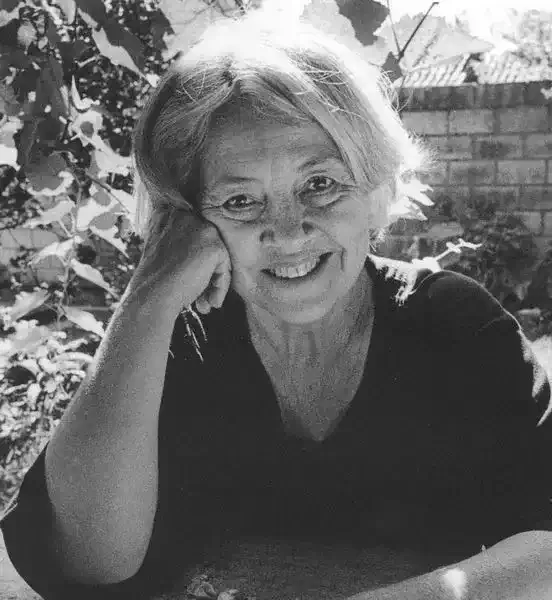
Adélia Prado
Entrevista
Um homem do mundo me perguntou:
o que você pensa de sexo?
Uma das maravilhas da criação, eu respondi.
Ele ficou atrapalhado, porque confunde as coisas
e esperava que eu dissesse maldição,
só porque antes lhe confiara: o destino do homem
[é a santidade.
A mulher que me perguntou cheia de ódio:
você raspa lá? perguntou sorrindo,
achando que assim melhor me assassinava.
Magníficos são o cálice e a vara que ele contém,
peludo ou não.
Santo, santo, santo é o amor, porque vem de Deus,
não porque uso luva ou navalha.
Que pode contra ele o excremento?
Mesmo a rosa, que pode a seu favor?
Se “cobre a multidão dos pecados e é benigno,
como a morte duro, como o inferno tenaz”,
descansa em teu amor, que bem estás.
o que você pensa de sexo?
Uma das maravilhas da criação, eu respondi.
Ele ficou atrapalhado, porque confunde as coisas
e esperava que eu dissesse maldição,
só porque antes lhe confiara: o destino do homem
[é a santidade.
A mulher que me perguntou cheia de ódio:
você raspa lá? perguntou sorrindo,
achando que assim melhor me assassinava.
Magníficos são o cálice e a vara que ele contém,
peludo ou não.
Santo, santo, santo é o amor, porque vem de Deus,
não porque uso luva ou navalha.
Que pode contra ele o excremento?
Mesmo a rosa, que pode a seu favor?
Se “cobre a multidão dos pecados e é benigno,
como a morte duro, como o inferno tenaz”,
descansa em teu amor, que bem estás.
3 985
1
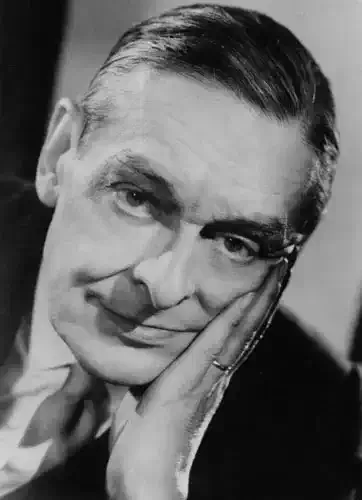
T. S. Eliot
The Love Song of J Alfred Prufrock
The Love Song of J. Alfred Prufrock
Sio credesse che mia risposta fosse
A persona che mai tornasse al mondo,
Questa fiamma staria senza piu scosse.
Ma perciocche giammai di questo fondo
Non torno vivo alcun, siodo il vero,
Senza tema dinfamia ti rispondo.
LET us go then, you and I,
When the evening is spread out against the sky
Like a patient etherised upon a table;
Let us go, through certain half-deserted streets,
The muttering retreats
Of restless nights in one-night cheap hotels
And sawdust restaurants with oyster-shells:
Streets that follow like a tedious argument
Of insidious intent
To lead you to an overwhelming question...
Oh, do not ask, "What is it?"
Let us go and make our visit.
In the room the women come and go
Talking of Michelangelo.
The yellow fog that rubs its back upon the window-panes,
The yellow smoke that rubs its muzzle on the window-panes
Licked its tongue into the corners of the evening,
Lingered upon the pools that stand in drains,
Let fall upon its back the soot that falls from chimneys,
Slipped by the terrace, made a sudden leap,
And seeing that it was a soft October night,
Curled once about the house, and fell asleep.
And indeed there will be time
For the yellow smoke that slides along the street,
Rubbing its back upon the window-panes;
There will be time, there will be time
To prepare a face to meet the faces that you meet;
There will be time to murder and create,
And time for all the works and days of hands
That lift and drop a question on your plate;
Time for you and time for me,
And time yet for a hundred indecisions,
And for a hundred visions and revisions,
Before the taking of a toast and tea.
In the room the women come and go
Talking of Michelangelo.
And indeed there will be time
To wonder, "Do I dare?" and, "Do I dare?"
Time to turn back and descend the stair,
With a bald spot in the middle of my hair—
[They will say: "How his hair is growing thin!"]
My morning coat, my collar mounting firmly to the chin,
My necktie rich and modest, but asserted by a simple pin—
[They will say: "But how his arms and legs are thin!"]
Do I dare
Disturb the universe?
In a minute there is time
For decisions and revisions which a minute will reverse.
For I have known them all already, known them all:—
Have known the evenings, mornings, afternoons,
I have measured out my life with coffee spoons;
I know the voices dying with a dying fall
Beneath the music from a farther room.
So how should I presume?
And I have known the eyes already, known them all—
The eyes that fix you in a formulated phrase,
And when I am formulated, sprawling on a pin,
When I am pinned and wriggling on the wall,
Then how should I begin
To spit out all the butt-ends of my days and ways?
And how should I presume?
And I have known the arms already, known them all—
Arms that are braceleted and white and bare
[But in the lamplight, downed with light brown hair!]
It is perfume from a dress
That makes me so digress?
Arms that lie along a table, or wrap about a shawl.
And should I then presume?
And how should I begin?
. . . . .
Shall I say, I have gone at dusk through narrow streets
And watched the smoke that rises from the pipes
Of lonely men in shirt-sleeves, leaning out of windows?...
I should have been a pair of ragged claws
Scuttling across the floors of silent seas.
. . . . .
And the afternoon, the evening, sleeps so peacefully!
Smoothed by long fingers,
Asleep ... tired ... or it malingers,
Stretched on the floor, here beside you and me.
Should I, after tea and cakes and ices,
Have the strength to force the moment to its crisis?
But though I have wept and fasted, wept and prayed,
Though I have seen my head [grown slightly bald] brought in upon a platter,
I am no prophet—and heres no great matter;
I have seen the moment of my greatness flicker,
And I have seen the eternal Footman hold my coat, and snicker,
And in short, I was afraid.
And would it have been worth it, after all,
After the cups, the marmalade, the tea,
Among the porcelain, among some talk of you and me,
Would it have been worth while,
To have bitten off the matter with a smile,
To have squeezed the universe into a ball
To roll it toward some overwhelming question,
To say: "I am Lazarus, come from the dead,
Come back to tell you all, I shall tell you all"—
If one, settling a pillow by her head,
Should say: "That is not what I meant at all.
That is not it, at all."
And would it have been worth it, after all,
Would it have been worth while,
After the sunsets and the dooryards and the sprinkled streets,
After the novels, after the teacups, after the skirts that trail along the floor—
And this, and so much more?—
It is impossible to say just what I mean!
But as if a magic lantern threw the nerves in patterns on a screen:
Would it have been worth while
If one, settling a pillow or throwing off a shawl,
And turning toward the window, should say:
"That is not it at all,
That is not what I meant, at all."
. . . . .
No! I am not Prince Hamlet, nor was meant to be;
Am an attendant lord, one that will do
To swell a progress, start a scene or two,
Advise the prince; no doubt, an easy tool,
Deferential, glad to be of use,
Politic, cautious, and meticulous;
Full of high sentence, but a bit obtuse;
At times, indeed, almost ridiculous—
Almost, at times, the Fool.
I grow old ... I grow old...
I shall wear the bottoms of my trousers rolled.
Shall I part my hair behind? Do I dare to eat a peach?
I shall wear white flannel trousers, and walk upon the beach.
I have heard the mermaids singing, each to each.
I do not think that they will sing to me.
I have seen them riding seaward on the waves
Combing the white hair of the waves blown back
When the wind blows the water white and black.
We have lingered in the chambers of the sea
By sea-girls wreathed with seaweed red and brown
Till human voices wake us, and we drown.
Sio credesse che mia risposta fosse
A persona che mai tornasse al mondo,
Questa fiamma staria senza piu scosse.
Ma perciocche giammai di questo fondo
Non torno vivo alcun, siodo il vero,
Senza tema dinfamia ti rispondo.
LET us go then, you and I,
When the evening is spread out against the sky
Like a patient etherised upon a table;
Let us go, through certain half-deserted streets,
The muttering retreats
Of restless nights in one-night cheap hotels
And sawdust restaurants with oyster-shells:
Streets that follow like a tedious argument
Of insidious intent
To lead you to an overwhelming question...
Oh, do not ask, "What is it?"
Let us go and make our visit.
In the room the women come and go
Talking of Michelangelo.
The yellow fog that rubs its back upon the window-panes,
The yellow smoke that rubs its muzzle on the window-panes
Licked its tongue into the corners of the evening,
Lingered upon the pools that stand in drains,
Let fall upon its back the soot that falls from chimneys,
Slipped by the terrace, made a sudden leap,
And seeing that it was a soft October night,
Curled once about the house, and fell asleep.
And indeed there will be time
For the yellow smoke that slides along the street,
Rubbing its back upon the window-panes;
There will be time, there will be time
To prepare a face to meet the faces that you meet;
There will be time to murder and create,
And time for all the works and days of hands
That lift and drop a question on your plate;
Time for you and time for me,
And time yet for a hundred indecisions,
And for a hundred visions and revisions,
Before the taking of a toast and tea.
In the room the women come and go
Talking of Michelangelo.
And indeed there will be time
To wonder, "Do I dare?" and, "Do I dare?"
Time to turn back and descend the stair,
With a bald spot in the middle of my hair—
[They will say: "How his hair is growing thin!"]
My morning coat, my collar mounting firmly to the chin,
My necktie rich and modest, but asserted by a simple pin—
[They will say: "But how his arms and legs are thin!"]
Do I dare
Disturb the universe?
In a minute there is time
For decisions and revisions which a minute will reverse.
For I have known them all already, known them all:—
Have known the evenings, mornings, afternoons,
I have measured out my life with coffee spoons;
I know the voices dying with a dying fall
Beneath the music from a farther room.
So how should I presume?
And I have known the eyes already, known them all—
The eyes that fix you in a formulated phrase,
And when I am formulated, sprawling on a pin,
When I am pinned and wriggling on the wall,
Then how should I begin
To spit out all the butt-ends of my days and ways?
And how should I presume?
And I have known the arms already, known them all—
Arms that are braceleted and white and bare
[But in the lamplight, downed with light brown hair!]
It is perfume from a dress
That makes me so digress?
Arms that lie along a table, or wrap about a shawl.
And should I then presume?
And how should I begin?
. . . . .
Shall I say, I have gone at dusk through narrow streets
And watched the smoke that rises from the pipes
Of lonely men in shirt-sleeves, leaning out of windows?...
I should have been a pair of ragged claws
Scuttling across the floors of silent seas.
. . . . .
And the afternoon, the evening, sleeps so peacefully!
Smoothed by long fingers,
Asleep ... tired ... or it malingers,
Stretched on the floor, here beside you and me.
Should I, after tea and cakes and ices,
Have the strength to force the moment to its crisis?
But though I have wept and fasted, wept and prayed,
Though I have seen my head [grown slightly bald] brought in upon a platter,
I am no prophet—and heres no great matter;
I have seen the moment of my greatness flicker,
And I have seen the eternal Footman hold my coat, and snicker,
And in short, I was afraid.
And would it have been worth it, after all,
After the cups, the marmalade, the tea,
Among the porcelain, among some talk of you and me,
Would it have been worth while,
To have bitten off the matter with a smile,
To have squeezed the universe into a ball
To roll it toward some overwhelming question,
To say: "I am Lazarus, come from the dead,
Come back to tell you all, I shall tell you all"—
If one, settling a pillow by her head,
Should say: "That is not what I meant at all.
That is not it, at all."
And would it have been worth it, after all,
Would it have been worth while,
After the sunsets and the dooryards and the sprinkled streets,
After the novels, after the teacups, after the skirts that trail along the floor—
And this, and so much more?—
It is impossible to say just what I mean!
But as if a magic lantern threw the nerves in patterns on a screen:
Would it have been worth while
If one, settling a pillow or throwing off a shawl,
And turning toward the window, should say:
"That is not it at all,
That is not what I meant, at all."
. . . . .
No! I am not Prince Hamlet, nor was meant to be;
Am an attendant lord, one that will do
To swell a progress, start a scene or two,
Advise the prince; no doubt, an easy tool,
Deferential, glad to be of use,
Politic, cautious, and meticulous;
Full of high sentence, but a bit obtuse;
At times, indeed, almost ridiculous—
Almost, at times, the Fool.
I grow old ... I grow old...
I shall wear the bottoms of my trousers rolled.
Shall I part my hair behind? Do I dare to eat a peach?
I shall wear white flannel trousers, and walk upon the beach.
I have heard the mermaids singing, each to each.
I do not think that they will sing to me.
I have seen them riding seaward on the waves
Combing the white hair of the waves blown back
When the wind blows the water white and black.
We have lingered in the chambers of the sea
By sea-girls wreathed with seaweed red and brown
Till human voices wake us, and we drown.
2 479
1

Helder Moura Pereira
Escrevias pela noite fora Olhava-te, olhava
Escrevias pela noite fora. Olhava-te, olhava
o que ia ficando nas pausas entre cada
sorriso. Por ti mudei a razão das coisas,
faz de conta que não sei as coisas que não queres
que saiba, acabei por te pensar com crianças
à volta. Agora há prédios onde havia
laranjeiras e romãs no chão e as palavras
nem o sabem dizer, apenas apontam a rua
que foi comum, o quarto estreito. Um livro
é suficiente neste passeio. Quando não escreves
estás a ler e ao lado das árvores o silêncio
é maior. Decerto te digo o que penso
baixando a cabeça e tu respondes sempre
com a cabeça inclinada e o fumo suspenso
no ar. As verdades nunca se disseram. Queria
prender-te, tornar a perder-te, achar-te
assim por acaso no meu dia livre a meio
da semana. Mantêm-se as causas iguais
das pequenas alegrias, longe da alegria, a rotina
dos sorrisos vem de nenhum vício. Este abandono
custa. Porque estou contigo e me deixas
a tua imagem passa pelas noites sem sono,
está aqui a cadeira em que te sentaste
a escrever lendo. Pudesse eu propor-te
vida menos igual, outras iguais obrigações.
Havias de rir, sair à rua, comprar o jornal.
o que ia ficando nas pausas entre cada
sorriso. Por ti mudei a razão das coisas,
faz de conta que não sei as coisas que não queres
que saiba, acabei por te pensar com crianças
à volta. Agora há prédios onde havia
laranjeiras e romãs no chão e as palavras
nem o sabem dizer, apenas apontam a rua
que foi comum, o quarto estreito. Um livro
é suficiente neste passeio. Quando não escreves
estás a ler e ao lado das árvores o silêncio
é maior. Decerto te digo o que penso
baixando a cabeça e tu respondes sempre
com a cabeça inclinada e o fumo suspenso
no ar. As verdades nunca se disseram. Queria
prender-te, tornar a perder-te, achar-te
assim por acaso no meu dia livre a meio
da semana. Mantêm-se as causas iguais
das pequenas alegrias, longe da alegria, a rotina
dos sorrisos vem de nenhum vício. Este abandono
custa. Porque estou contigo e me deixas
a tua imagem passa pelas noites sem sono,
está aqui a cadeira em que te sentaste
a escrever lendo. Pudesse eu propor-te
vida menos igual, outras iguais obrigações.
Havias de rir, sair à rua, comprar o jornal.
1 060
1
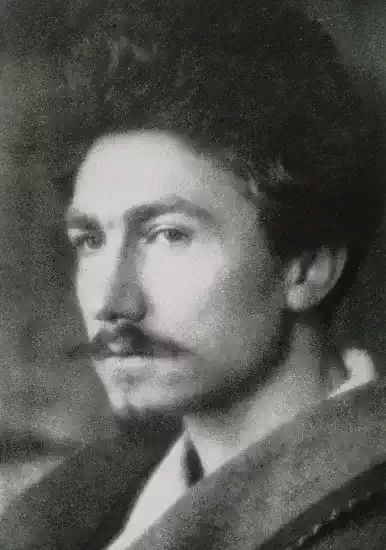
Ezra Pound
Canto I
And then went down to the ship,
Set keel to breakers, forth on the godly sea, and
We set up mast and sail on tha swart ship,
Bore sheep aboard her, and our bodies also
Heavy with weeping, so winds from sternward
Bore us out onward with bellying canvas,
Circes this craft, the trim-coifed goddess.
Then sat we amidships, wind jamming the tiller,
Thus with stretched sail, we went over sea till days end.
Sun to his slumber, shadows oer all the ocean,
Came we then to the bounds of deepest water,
To the Kimmerian lands, and peopled cities
Covered with close-webbed mist, unpierced ever
With glitter of sun-rays
Nor with stars stretched, nor looking back from heaven
Swartest night stretched over wretched men there.
The ocean flowing backward, came we then to the place
Aforesaid by Circe.
Here did they rites, Perimedes and Eurylochus,
And drawing sword from my hip
I dug the ell-square pitkin;
Poured we libations unto each the dead,
First mead and then sweet wine, water mixed with white flour.
Then prayed I many a prayer to the sickly deaths-head;
As set in Ithaca, sterile bulls of the best
For sacrifice, heaping the pyre with goods,
A sheep to Tiresias only, black and a bell-sheep.
Dark blood flowed in the fosse,
Souls out of Erebus, cadaverous dead, of brides
Of youths and at the old who had borne much;
Souls stained with recent tears, girls tender,
Men many, mauled with bronze lance heads,
Battle spoil, bearing yet dreory arms,
These many crowded about me; with shouting,
Pallor upon me, cried to my men for more beasts;
Slaughtered the heards, sheep slain of bronze;
Poured ointment, cried to the gods,
To Pluto the strong, and praised Proserpine;
Unsheathed the narrow sword,
I sat to keep off the impetuous impotent dead,
Till I should hear Tiresias.
But first Elpenor came, our friend Elpenor,
Unburied, cast on the wide earth,
Limbs that we left in the house of Circe,
Unwept, unwrapped in sepulchre, since toils urged other.
Pitiful spirit. And I cried in hurried speech:
"Elpenor, how art thou come to this dark coast?
Camst thou afoot, outstripping seamen?"
And he in heavy speech:
"Ill fate and abundant wine. I slept in Circes ingle.
Going down the long ladder unguarded,
I fell against the buttress,
Shattered the nape-nerve, the soul sought Avernus.
But thou, O King, I bid remember me, unwept, unburied,
Heap up mine arms, be tomb by sea-bord, and inscribed:
A man of no fortune, and with a name to come.
And set my oar up, that I swung mid fellows."
And Anticlea came, whom I beat off, and then Tiresias Theban,
Holding his golden wand, knew me, and spoke first:
"A second time? why? man of ill star,
Facing the sunless dead and this joyless region?
Stand from the fosse, leave me my bloody bever
For soothsay."
And I stepped back,
And he stong with the blood, said then: "Odysseus
Shalt return through spiteful Neptune, over dark seas,
Lose all companions." And then Anticlea came.
Lie quiet Divus. I mean, that is Andreas Divus,
In officina Wecheli, 1538, out of Homer.
And he sailed, by Sirens and thence outward and away
And unto Circe.
Venerandam,
In the Creatans phrase, with the golden crown, Aphrodite,
Cypri munimenta sortita est, mirthful, orichalchi, with golden
Girdles and breast bands, thou with dark eyelids
Bearing the golden bough of Argicida. So that:
Set keel to breakers, forth on the godly sea, and
We set up mast and sail on tha swart ship,
Bore sheep aboard her, and our bodies also
Heavy with weeping, so winds from sternward
Bore us out onward with bellying canvas,
Circes this craft, the trim-coifed goddess.
Then sat we amidships, wind jamming the tiller,
Thus with stretched sail, we went over sea till days end.
Sun to his slumber, shadows oer all the ocean,
Came we then to the bounds of deepest water,
To the Kimmerian lands, and peopled cities
Covered with close-webbed mist, unpierced ever
With glitter of sun-rays
Nor with stars stretched, nor looking back from heaven
Swartest night stretched over wretched men there.
The ocean flowing backward, came we then to the place
Aforesaid by Circe.
Here did they rites, Perimedes and Eurylochus,
And drawing sword from my hip
I dug the ell-square pitkin;
Poured we libations unto each the dead,
First mead and then sweet wine, water mixed with white flour.
Then prayed I many a prayer to the sickly deaths-head;
As set in Ithaca, sterile bulls of the best
For sacrifice, heaping the pyre with goods,
A sheep to Tiresias only, black and a bell-sheep.
Dark blood flowed in the fosse,
Souls out of Erebus, cadaverous dead, of brides
Of youths and at the old who had borne much;
Souls stained with recent tears, girls tender,
Men many, mauled with bronze lance heads,
Battle spoil, bearing yet dreory arms,
These many crowded about me; with shouting,
Pallor upon me, cried to my men for more beasts;
Slaughtered the heards, sheep slain of bronze;
Poured ointment, cried to the gods,
To Pluto the strong, and praised Proserpine;
Unsheathed the narrow sword,
I sat to keep off the impetuous impotent dead,
Till I should hear Tiresias.
But first Elpenor came, our friend Elpenor,
Unburied, cast on the wide earth,
Limbs that we left in the house of Circe,
Unwept, unwrapped in sepulchre, since toils urged other.
Pitiful spirit. And I cried in hurried speech:
"Elpenor, how art thou come to this dark coast?
Camst thou afoot, outstripping seamen?"
And he in heavy speech:
"Ill fate and abundant wine. I slept in Circes ingle.
Going down the long ladder unguarded,
I fell against the buttress,
Shattered the nape-nerve, the soul sought Avernus.
But thou, O King, I bid remember me, unwept, unburied,
Heap up mine arms, be tomb by sea-bord, and inscribed:
A man of no fortune, and with a name to come.
And set my oar up, that I swung mid fellows."
And Anticlea came, whom I beat off, and then Tiresias Theban,
Holding his golden wand, knew me, and spoke first:
"A second time? why? man of ill star,
Facing the sunless dead and this joyless region?
Stand from the fosse, leave me my bloody bever
For soothsay."
And I stepped back,
And he stong with the blood, said then: "Odysseus
Shalt return through spiteful Neptune, over dark seas,
Lose all companions." And then Anticlea came.
Lie quiet Divus. I mean, that is Andreas Divus,
In officina Wecheli, 1538, out of Homer.
And he sailed, by Sirens and thence outward and away
And unto Circe.
Venerandam,
In the Creatans phrase, with the golden crown, Aphrodite,
Cypri munimenta sortita est, mirthful, orichalchi, with golden
Girdles and breast bands, thou with dark eyelids
Bearing the golden bough of Argicida. So that:
2 290
1
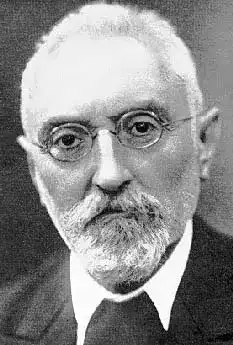
Miguel de Unamuno
El cuerpo canta
El cuerpo canta
El cuerpo canta;
la sangre aúlla;
la tierra charla;
la mar murmura;
el cielo calla
y el hombre escucha.
El cuerpo canta;
la sangre aúlla;
la tierra charla;
la mar murmura;
el cielo calla
y el hombre escucha.
1 426
1
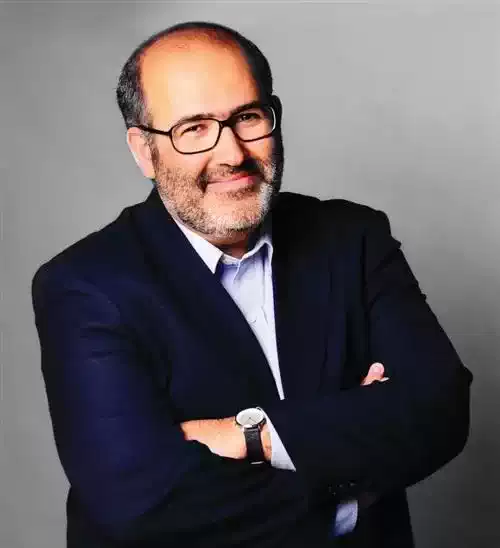
José Tolentino Mendonça
Às escondidas
Os primeiros chuviscos restituem-nos
o incrível cheiro da terra
mas nós estaremos quem sabe longe
do que tem significado
Preenchemos a inscriçõa numa piscina municipal
não sabemos bem o motivo ou não dizemos a ninguém
como os dias nos pedem a dureza
ofegante,instintiva
que têm para os nadadores as braçadas
Uma sombra nos acalma
Uma claridade nos dói
Cedo receamos a felicidade daquelas imagens
que reeencontramos dentro de nós
e não se ligam a nada
o incrível cheiro da terra
mas nós estaremos quem sabe longe
do que tem significado
Preenchemos a inscriçõa numa piscina municipal
não sabemos bem o motivo ou não dizemos a ninguém
como os dias nos pedem a dureza
ofegante,instintiva
que têm para os nadadores as braçadas
Uma sombra nos acalma
Uma claridade nos dói
Cedo receamos a felicidade daquelas imagens
que reeencontramos dentro de nós
e não se ligam a nada
1 943
1
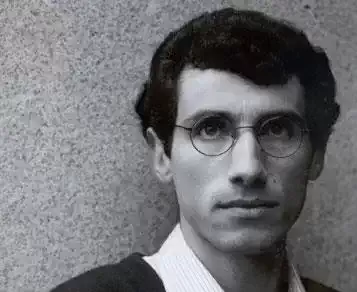
Daniel Faria
Homens que trabalham sob a lâmpada
Homens que trabalham sob a lâmpada
Da morte
Que escavam nessa luz para ver quem ilumina
A fonte dos seus dias
Homens muito dobrados pelo pensamento
Que vêm devagar como quem corre
As persianas
Para ver no escuro a primeira nascente
Homens que escavam dia após dias o pensamento
Que trabalham na sombra da copa cerebral
Que podam a pedra da loucura quando esmagam as pupilas
Homens todos brancos que abrem a cabeça
À procura dessa pedra definida
Homens de cabeça aberta exposta ao pensamento
Livre.Que vêm devagar abrir
Um lugar onde amanheça.
Homens que se sentam para ver uma manhã
Que escavam um lugar
Para a saída.
de Homens Que São Como Lugares Mal Situados(1998)
Da morte
Que escavam nessa luz para ver quem ilumina
A fonte dos seus dias
Homens muito dobrados pelo pensamento
Que vêm devagar como quem corre
As persianas
Para ver no escuro a primeira nascente
Homens que escavam dia após dias o pensamento
Que trabalham na sombra da copa cerebral
Que podam a pedra da loucura quando esmagam as pupilas
Homens todos brancos que abrem a cabeça
À procura dessa pedra definida
Homens de cabeça aberta exposta ao pensamento
Livre.Que vêm devagar abrir
Um lugar onde amanheça.
Homens que se sentam para ver uma manhã
Que escavam um lugar
Para a saída.
de Homens Que São Como Lugares Mal Situados(1998)
2 214
1
Daniel Faria
Homens que trabalham sob a lâmpada
Homens que trabalham sob a lâmpada
Da morte
Que escavam nessa luz para ver quem ilumina
A fonte dos seus dias
Homens muito dobrados pelo pensamento
Que vêm devagar como quem corre
As persianas
Para ver no escuro a primeira nascente
Homens que escavam dia após dias o pensamento
Que trabalham na sombra da copa cerebral
Que podam a pedra da loucura quando esmagam as pupilas
Homens todos brancos que abrem a cabeça
À procura dessa pedra definida
Homens de cabeça aberta exposta ao pensamento
Livre.Que vêm devagar abrir
Um lugar onde amanheça.
Homens que se sentam para ver uma manhã
Que escavam um lugar
Para a saída.
de Homens Que São Como Lugares Mal Situados(1998)
Da morte
Que escavam nessa luz para ver quem ilumina
A fonte dos seus dias
Homens muito dobrados pelo pensamento
Que vêm devagar como quem corre
As persianas
Para ver no escuro a primeira nascente
Homens que escavam dia após dias o pensamento
Que trabalham na sombra da copa cerebral
Que podam a pedra da loucura quando esmagam as pupilas
Homens todos brancos que abrem a cabeça
À procura dessa pedra definida
Homens de cabeça aberta exposta ao pensamento
Livre.Que vêm devagar abrir
Um lugar onde amanheça.
Homens que se sentam para ver uma manhã
Que escavam um lugar
Para a saída.
de Homens Que São Como Lugares Mal Situados(1998)
2 214
1
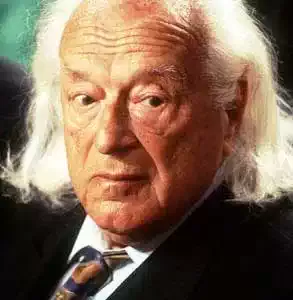
Rafael Alberti
Si mi voz muriera en tierra
Si mi voz muriera en tierra
llevadla al nivel del mar
y dejadla en la ribera.
Llevadla al nivel del mar
y nombardla capitana
de un blanco bajel de guerra.
¡Oh mi voz condecorada
con la insignia marinera:
sobre el corazón un ancla
y sobre el ancla una estrella
y sobre la estrella el viento
y sobre el viento la vela!
llevadla al nivel del mar
y dejadla en la ribera.
Llevadla al nivel del mar
y nombardla capitana
de un blanco bajel de guerra.
¡Oh mi voz condecorada
con la insignia marinera:
sobre el corazón un ancla
y sobre el ancla una estrella
y sobre la estrella el viento
y sobre el viento la vela!
2 191
1
Daniel Faria
Sabes, leitor
Sabes, leitor,que estamos ambos na mesma página
e aproveito o facto de teres chegado agora
para te explicar como vejo o crescer de uma magnólia.
a magnólia cresce na terra que pisas-podes pensar
que te digo alguma coisa não necessária,mas podia ter-te dito acredita,
que a magnólia te cresce como um livro entre as mãos.Ou melhor,
que a magnólia-e essa é verdade-cresce sempre
apesar de nós.
esta raiz para a palavra que ela lançou no poema
pode bem significar que no ramo que ficar desse lado
a flor que se abrir é já um pouco de ti.E a flor que te estendo,
mesmo que a recuses
nunca a poderei conhecer,nem jamais,por muito que a ame,
a colherei
a magnólia estende contra a minha escrita a tua sombra
e eu toco na sombra da magnólia como se pegasse na tua mão.
de Dos Líquidos (2000)
e aproveito o facto de teres chegado agora
para te explicar como vejo o crescer de uma magnólia.
a magnólia cresce na terra que pisas-podes pensar
que te digo alguma coisa não necessária,mas podia ter-te dito acredita,
que a magnólia te cresce como um livro entre as mãos.Ou melhor,
que a magnólia-e essa é verdade-cresce sempre
apesar de nós.
esta raiz para a palavra que ela lançou no poema
pode bem significar que no ramo que ficar desse lado
a flor que se abrir é já um pouco de ti.E a flor que te estendo,
mesmo que a recuses
nunca a poderei conhecer,nem jamais,por muito que a ame,
a colherei
a magnólia estende contra a minha escrita a tua sombra
e eu toco na sombra da magnólia como se pegasse na tua mão.
de Dos Líquidos (2000)
2 118
1
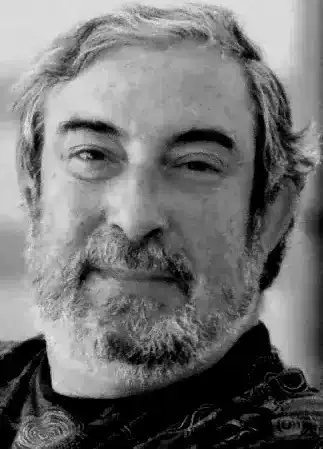
Fernando Assis Pacheco
Mas agora que vai descer a noite na minha vida
Mas agora que vai descer a noite na minha vida
Triste de mim mais triste que a tristeza
triste como a mão que segura o copo
como a luz do farol esgaçando a névoa
triste como o cão manco
deixado na estrada pelos caçadores
triste como a sopa entretanto azeda
mais triste que a idiotia congénita
ou que a palavra ampola
triste de mim triste e perdido
entre duas ruas
uma que vai para o Norte outra para o Sul
e ambas cortadas aos peões
que não cooperam devidamente
(com este governo de merda é claro)
triste como uma puta alentejana
num bar de Ourense
que me viu à cerveja e lesta
me chamou compadre
vozes que a gente colecciona
a tarde triste os anos tristes
a grande costura da tristeza
do esterno ao baixo ventre
triste e já sem nenhum reparo
a fazer à metafísica
senão que é um défice
porventura do córtex cerebral
Triste de mim mais triste que a tristeza
triste como a mão que segura o copo
como a luz do farol esgaçando a névoa
triste como o cão manco
deixado na estrada pelos caçadores
triste como a sopa entretanto azeda
mais triste que a idiotia congénita
ou que a palavra ampola
triste de mim triste e perdido
entre duas ruas
uma que vai para o Norte outra para o Sul
e ambas cortadas aos peões
que não cooperam devidamente
(com este governo de merda é claro)
triste como uma puta alentejana
num bar de Ourense
que me viu à cerveja e lesta
me chamou compadre
vozes que a gente colecciona
a tarde triste os anos tristes
a grande costura da tristeza
do esterno ao baixo ventre
triste e já sem nenhum reparo
a fazer à metafísica
senão que é um défice
porventura do córtex cerebral
1 400
1
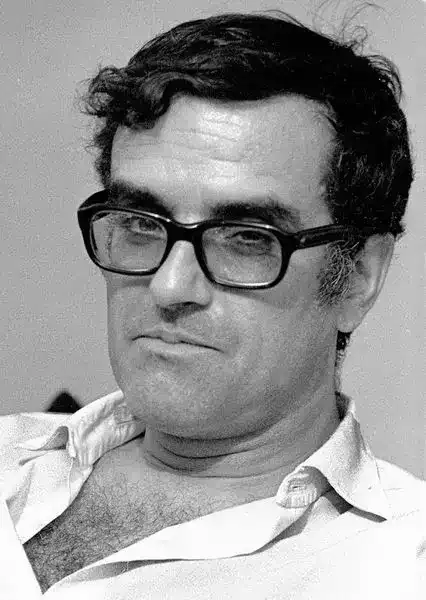
Alexandre O'Neill
Pelo Alto Alentejo-2
Meto butes á inteira planura.
Esboroa-se a terra.Lá pra trás,
sobraram o paleio e a literatura.
Aqui,na aparência,só a paz.
Mas que paz se desdobra a toda a anchura
do horizonte a que o olhar se faz?
Esta página em branco(ou sem leitura)
não terá uma chave por detrás?
Eu sei ler a cidade,mas,aqui,
sou um dedo parado em letra morta.
Uma guerra haverá,como o alibi
da paisagem que a outras me transporta.
Hei-de voltar pra ler e presumir,
quando Alentejo se puser a rir ...
in:Entre a Cortina e a Vidraça(1972)
Esboroa-se a terra.Lá pra trás,
sobraram o paleio e a literatura.
Aqui,na aparência,só a paz.
Mas que paz se desdobra a toda a anchura
do horizonte a que o olhar se faz?
Esta página em branco(ou sem leitura)
não terá uma chave por detrás?
Eu sei ler a cidade,mas,aqui,
sou um dedo parado em letra morta.
Uma guerra haverá,como o alibi
da paisagem que a outras me transporta.
Hei-de voltar pra ler e presumir,
quando Alentejo se puser a rir ...
in:Entre a Cortina e a Vidraça(1972)
4 399
1
Luís Miguel Nava
Virgínia
Embora o sol fosse alto ainda, àquela
hora já dali desertara, as sombras iam
saindo aos poucos de debaixo dos armários.
De vez em quando as mãos, completamente absortas,
detinham-se no ferro, sobre a tábua, ao lado
do gigo agora esvaziado e dos pesados
tabuleiros de verga, onde se erguia a roupa.
Tornavam-se mais nítidos, assim, os seus
contornos recortados contra a luz.
Dali podia-se avistar o mundo inteiro.
Ao longo dos telhados, por onde um ou outro gato
corria atrás das pombas, oscilava
ligeiramente a corda, onde a cidade, o céu
e os montes pareciam pendurados.
hora já dali desertara, as sombras iam
saindo aos poucos de debaixo dos armários.
De vez em quando as mãos, completamente absortas,
detinham-se no ferro, sobre a tábua, ao lado
do gigo agora esvaziado e dos pesados
tabuleiros de verga, onde se erguia a roupa.
Tornavam-se mais nítidos, assim, os seus
contornos recortados contra a luz.
Dali podia-se avistar o mundo inteiro.
Ao longo dos telhados, por onde um ou outro gato
corria atrás das pombas, oscilava
ligeiramente a corda, onde a cidade, o céu
e os montes pareciam pendurados.
1 563
1