

Authors List
Browse our collection of authors

Olga Tokarczuk

1962-01-29
Olga Tokarczuk is a prominent Polish writer, awarded the Nobel Prize in Literature in 2018, whose work is recognized for its originality, philosophical depth, and innovative approach to narrative. Her works challenge literary conventions, blending genres and perspectives to create complex universes that reflect on history, identity, nature, and the human condition. Tokarczuk is a powerful voice in contemporary world literature, distinguished by her ability to weave stories that resonate with existential and social issues.
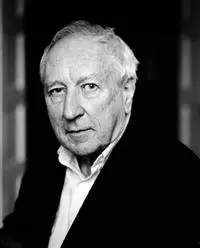
Tomas Tranströmer

1931-04-15 – 2015-03-26
Tomas Tranströmer was a Swedish poet and psychologist, widely recognized for his lyrical and introspective work that explores the relationship between nature, the self, and the world. His poetry is characterized by clarity, imagination, and the ability to evoke deep moods through vivid imagery and a contemplative rhythm. He was awarded the Nobel Prize in Literature in 2011, distinguished for his unique voice in contemporary poetry.

Francisco de Vasconcelos

1665-01-01 – 1723-01-01
Francisco de Vasconcelos was a poet whose work stands out in the Portuguese literary landscape. His writing is marked by a strong connection to tradition, but with a sensibility that captured the nuances of his time. Vasconcelos's poetry is often evocative, exploring themes such as homeland, faith, and nature, with a language that combines formal beauty with depth of thought. Throughout his career, the poet demonstrated a unique ability to translate complex feelings and observations about the world into memorable verses. His work, though rooted in his time, possesses a universality that continues to resonate with contemporary readers, granting him a prominent place in the history of Portuguese literature.
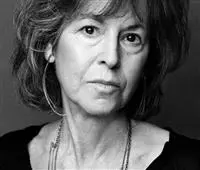
Louise Glück

1943-04-22 – 2023-10-13
Louise Glück was an American poet known for her lyrical and introspective writing, which frequently explored themes of loss, desire, family, and nature. Her work is marked by raw emotional intensity, direct language, and careful structure, often revisiting classical myths and fairy tales to explore the human psyche. Throughout her career, Glück received widespread acclaim, culminating in the Nobel Prize in Literature in 2020, solidifying her place as one of the most significant voices in contemporary American poetry.

Toni Montesinos Gilbert

1972
Toni Montesinos is a Spanish poet whose work explores the complexities of human existence with lyrical and reflective language. His poetry frequently addresses themes such as memory, time, identity, and the search for meaning in a constantly changing world. With a keen sensitivity to the nuances of everyday experience, Montesinos crafts verses that resonate with their emotional depth and their ability to capture the essence of human emotions. His style is characterized by clarity, musicality, and an introspection that invites the reader on an inner journey.
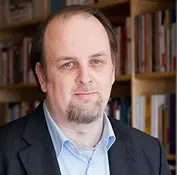
Pedro Mexia
1972-12-05
Pedro Mexia is a contemporary Portuguese poet and essayist, whose work is distinguished by its erudition, formal rigor, and a profound reflection on language, literature, and the human condition. With a multifaceted career that spans poetry, literary criticism, and cultural intervention, Mexia has been consolidating himself as one of the most relevant voices in current Portuguese literature. His poetry, often marked by conceptual density and subtle musicality, invites contemplation and intertextual dialogue.
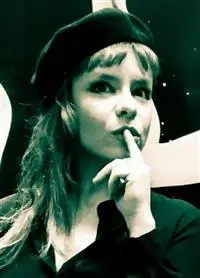
Raquel Nobre Guerra
1979
Raquel Nobre Guerra is a contemporary Portuguese poet whose work is notable for its lyrical intensity and exploration of themes such as the body, desire, violence, and human relationships. Her poetry, often raw and direct, addresses the fragility of existence and the complexity of the female experience, with a language that favors striking imagery and expressive conciseness.
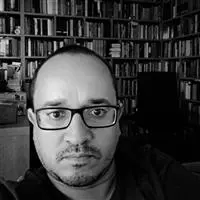
Tarso de Melo

1976-12-03
Tarso de Melo is a contemporary poet whose work is distinguished by introspection and the exploration of the complexities of human existence. His poetry navigates themes such as the ephemerality of time, the search for identity, and the beauty found in life's fleeting moments. With careful and imagistic language, Melo constructs verses that invite reflection, combining lyrical sensitivity with a philosophical perspective. His writing, which dialogues with literary tradition while renewing it with a personal outlook, has established him as an important voice in current poetry, capable of touching the reader through the authenticity and depth of his emotions and thoughts.
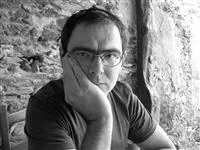
José Miguel Silva
1957-01-01
José Miguel Silva is a contemporary Portuguese poet, known for his lyrical and reflective work. His poetry explores themes such as memory, time, identity, and the individual's relationship with the world, with careful language and refined sensitivity. He is a relevant voice in current Portuguese poetry, with a body of work that stands out for its depth and originality.
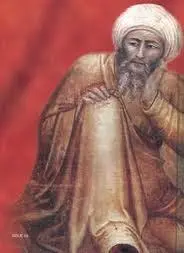
Ibn Ammar
1031
Ibn Ammar was an Arab poet from Al-Andalus, known for his skill in praise poetry and satire. His work, written in classical Arabic, reflects life in the courts and the complexity of political and social relations of the time. He was a highly renowned poet in his day, appreciated for his technical mastery and the vivacity of his compositions. His poetry, although often tied to the commissions of patrons, reveals a sharp insight into human observation and a remarkable command of poetic language. His legacy lies in his contribution to the rich Andalusian poetic tradition.
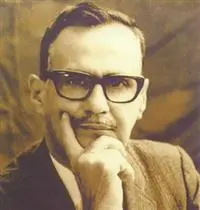
Mauro Mota
1911-08-16 – 1984-11-22
Poet, journalist, and Brazilian professor, Mauro Mota stood out for his lyricism deeply connected to the identity and landscape of the Northeast. His work explores the cultural and social richness of the region, often with a tone of exaltation and a sharp eye on its contradictions. His poetry is marked by accessible language, yet rich in imagery and musicality, reflecting a strong social consciousness and a genuine love for his land. He became a representative voice of Northeastern poetry in the Brazilian literary scene.
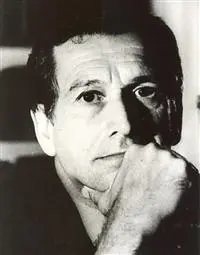
Fernando Sabino
1923-10-12 – 2004-10-11
Fernando Sabino was a prominent Brazilian writer and journalist, known for his work that spans chronicles, novels, and fiction. His writing is marked by keen observation of daily life, subtle humor, and profound humanity, addressing themes such as human relationships, the passage of time, and childhood memories.
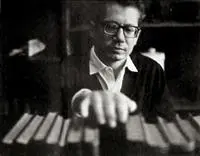
Dalton Trevisan
1925-06-14 – 2024-12-09
Dalton Trevisan is a Brazilian writer known for his short story work and his raw, direct writing. His narrative frequently explores urban marginality, human misery, and the complexities of interpersonal relationships, using concise language and a cutting style that earned him the nickname "Vampire of Curitiba." His work is marked by keen observation of everyday life and the ability to reveal the grotesque and tragic in the simplicity of life.
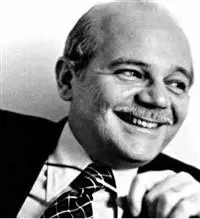
Osman Lins
1924-07-05 – 1978-07-08
Osman Lins was a renowned Brazilian writer whose work stood out for its originality and technical sophistication. With a literary production that includes novels and short stories, he explored the complexities of the human condition, interpersonal relationships, and existential anxieties. His writing is marked by the psychological depth of his characters, formal experimentation, and precise, evocative language. Lins is recognized for his significant contribution to the renewal of Brazilian prose in the second half of the 20th century.
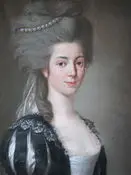
Marquesa de Alorna
1750-10-31 – 1839-10-11
The Marquise of Alorna was a prominent figure in Portuguese literature, known for her erudite and reflective poetry. Her work addresses themes such as spirituality, the ephemerality of life, and the pursuit of wisdom, in a style marked by clarity and philosophical depth. As one of the first female voices to stand out in Portuguese literature, she left a significant intellectual and literary legacy, influencing later generations.
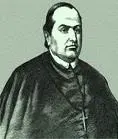
António Diniz da Cruz e Silva
1731-07-04 – 1799-10-05
António Diniz da Cruz e Silva was a prominent literary figure, whose work is notable for its versatility and formal mastery. A poet, playwright, and prose writer, he shrewdly explored themes such as social satire, love, and reflection on the human condition. His literary career, marked by elegant writing and profound intelligence, contributed significantly to Portuguese literature, leaving a legacy that continues to be studied and appreciated.
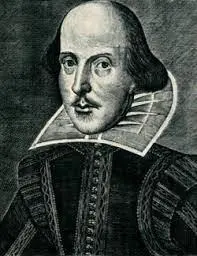
Garcia de Resende
1470-01-01 – 1536-02-03
Garcia de Resende was a central figure in Portuguese Renaissance literature, acting as a poet, compiler, and chronicler. His poetic work, although sometimes overshadowed by his monumental anthology, "Cancioneiro Geral", reveals a lyrical sensitivity and an ability to observe courtly society. As a compiler, he was fundamental to the preservation of the popular and erudite poetry of his time, recording the production of various authors and offering a valuable panorama of Peninsular lyricism. His role as a chronicler also places him in the historical and political context of the era.

Aires Teles
1450 – 1550
Aires Teles was a notable Portuguese poet and professor. His poetic work, marked by a profound reflection on the human condition and the passage of time, resonates in the Portuguese literary landscape of the 20th century. He dedicated a significant part of his life to teaching, sharing his love for literature and the arts with generations of students.
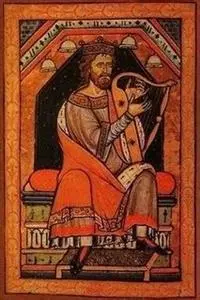
João Soares de Paiva
1140
João Soares de Paiva was a Portuguese poet and humanist, a prominent figure of the Renaissance. His poetic work, although less extensive than that of some contemporaries, reveals a remarkable lyrical sensitivity and a profound knowledge of the classical tradition. His work as a humanist and teacher left a significant impact on the cultural and intellectual landscape of his time.
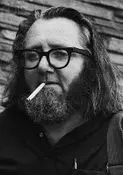
Ted Berrigan
1934-11-15 – 1983-07-04
Ted Berrigan was an American poet associated with the Second Generation of the New York School. His work is known for its colloquial, humorous, and often irreverent approach to language and everyday life. He experimented with poetic forms, integrating elements of popular culture and direct conversation into his poems, which gave him a distinctive and influential style in American experimental poetry.

Sembula Peyaneerar
Sembula Peyaneerar is a poet whose work emerges from the cultural and social context of South Africa, with a strong vein of expression in the Tana language. His poetry often explores identity, cultural heritage, and the complexities of modern life, intertwining traditional elements with contemporary sensibilities. Through rich and evocative language, Peyaneerar seeks to give voice to the experiences of his community, addressing universal themes with a distinctly African and Tana perspective. His writing is a testament to the resilience and beauty found in preserving culture and adapting to new times.
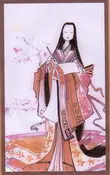
Sei Shônagon

966ac – 1020
Sei Shônagon was a Japanese writer and courtier of the Heian period. She is celebrated for her work "The Pillow Book" (Makura no Sōshi), a collection of notes, observations, poems, and essays that offer a vivid glimpse into life at the imperial court in Kyoto. Her writing is marked by insight, intelligence, and a keen sense of observation, covering a wide range of subjects, from the beauty of nature and court customs to human relationships and personal reflections.
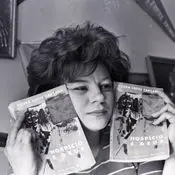
Maura Lopes Cançado
1929-01-27 – 1993-12-19
Maura Lopes Cançado was a Brazilian poet and short story writer whose work is marked by strong sensitivity, a particular lyricism, and a profound exploration of the feminine soul and human relationships. Her writing, often poetic even in prose, addresses themes such as love, loneliness, identity, and the search for freedom. With a style distinguished by its musicality and its ability to create vivid images, Maura Lopes Cançado left a legacy of texts that continue to resonate for their originality and depth. Her work is an invitation to revisit the emotions and complexities of existence with a sensitive and questioning eye.
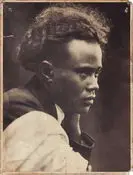
Jean-Joseph Rabearivelo

1901-03-04 – 1937-06-23
Jean-Joseph Rabearivelo was a Malagasy poet, often considered Madagascar's greatest poet. His poetic work, marked by deep melancholy and a strong connection to the history and culture of his homeland, explores themes such as identity, memory, loss, and cultural resistance. Rabearivelo is recognized for his ability to merge Western influences with Malagasy oral tradition, creating a unique and powerful poetic voice that continues to resonate.