

Authors List
Browse our collection of authors
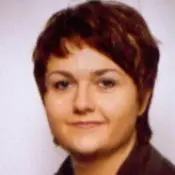
Inge Müller

1925-03-13 – 1966-06-01
Inge Müller was a German poet and playwright, known for her socially and politically engaged work. Her writing reflects the complexities and traumas of 20th-century Germany, addressing themes such as war, society, injustice, and the human condition. She is recognized for her strong voice and her ability to give expression to social and existential concerns. Müller's work is an important contribution to contemporary German literature, standing out for its authenticity and commitment to reality.
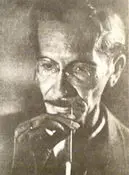
Juan L. Ortiz

1896-06-11 – 1978-09-02
Juan L. Ortiz was a prominent Argentine poet, known for his deep connection with the landscape and culture of the Argentine littoral. His work is an invitation to contemplate nature and explore Argentine identity, marked by a unique lyricism and an evocative language that distinguishes him in Spanish-language literature. He is considered one of the great innovators of 20th-century Argentine poetry.
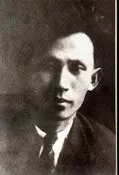
Yi Sáng

1910-08-20 – 1937-04-17
Yi Sáng was a Korean poet and writer, a prominent figure in his country's modernist literature. His work, marked by formal experimentation and language exploration, reflects the social and political upheavals of Korea under Japanese rule and the subsequent period of division. He is recognized for his originality and the way he challenged the literary conventions of the time.
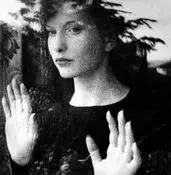
Maya Deren

1917-05-12 – 1961-10-13
Maya Deren was a Ukrainian-American filmmaker, writer, and film theorist, a pioneer of experimental cinema. Her work is deeply marked by the exploration of the unconscious, dreams, and mythology, using a unique and innovative visual language. Deren left a lasting legacy in the seventh art, influencing generations of independent filmmakers with her avant-garde and visionary approach.

Abu Ishaq Ibrahim Ibn Sahl al-Isra’ili al-Ishbili

1212-01-01 – 1251-01-01
Abu Ishaq Ibrahim Ibn Sahl al-Isra’ili al-Ishbili was a prominent Andalusian poet, known for his poetry of love and mysticism, expressed in a rich and imagistic language. Originally from Seville, his work reflects the fusion of cultural and spiritual influences of the Iberian Peninsula. His poetic compositions explore beauty, passion, and the pursuit of divine union, marking his position as one of the great figures of Arabic poetry in Andalusia.
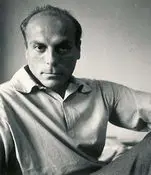
Ghérasim Luca

1913-07-23 – 1994-02-09
Ghérasim Luca was a Romanian poet, naturalized French, known for his radical exploration of language and poetry. His profoundly innovative work challenged literary conventions, delving into sonority, fragmentation, and the exploration of the absurd and the dreamlike. He maintained a strong connection with surrealism and explored other art forms, such as cinema and visual arts, leaving a legacy of experimentation and linguistic subversion.
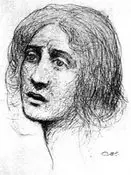
al-Khansa

0575-01-01 – 0645-01-01
Al-Khansa was a pre-Islamic Arab poet known for her poignant elegies, especially those mourning the death of her brothers. Her poetry is a testament to the power of words in expressing grief, honor, and loyalty. She is a prominent figure in Arabic literature, celebrated for her ability to evoke deep emotions and her mastery of the poetic form.
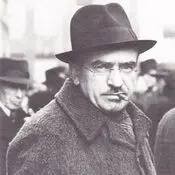
Richard Minne

1891-11-30 – 1965-06-01
Richard Minne was a Belgian poet and translator, known for his work that frequently explored existentialist themes and for his deep connection to the Flemish language and culture. His poetic compositions are notable for their introspection and reflection on the human condition, addressing the transience of time and the search for meaning in a constantly changing world. Throughout his career, Minne also dedicated himself to translation, making works by other authors accessible to the Flemish public, which demonstrates his commitment to cultural dissemination. His poetry, though sometimes melancholic, is marked by formal beauty and depth of thought that have secured him a prominent place in Belgian literature.
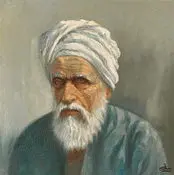
Abul ʿAla Al-Maʿarri

973 – 1057-05-09
Abul ʿAla Al-Maʿarri was a prominent Arab poet, philosopher, and lexicographer of the Islamic Golden Age. Known for his profound scholarship and skeptical thought, his poetic work explores themes such as mortality, the nature of belief, and the absurdity of human existence. Al-Maʿarri, who lost his sight in childhood, became a respected and influential intellectual figure, although his sometimes controversial philosophical views generated debate.
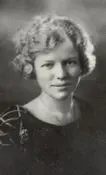
Lorine Niedecker
1903-05-12 – 1970-12-31
Lorine Niedecker was an American modernist poet, recognized for her concise, imagistic, and experimental poetry. Associated with the Objectivist circle, her work is characterized by meticulous attention to nature, labor, and everyday life, often drawing profound depth from seemingly simple observations. Niedecker explored language in innovative ways, using fragmentation and word economy to create poems of great impact. Although her literary output was less widely known during her lifetime, Lorine Niedecker is today considered an important figure in 20th-century American poetry, whose influence extends to later generations of experimental poets interested in the relationship between language, nature, and society.
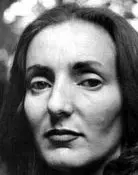
Idea Vilariño

1920-08-18 – 2009-04-28
Idea Vilariño was a Uruguayan poet, essayist, translator, and literary critic, a prominent figure in Latin American literature. She stood out for her engaged poetry and for exploring themes such as love, death, identity, and the female condition, with direct and powerful language. Her work, marked by deep social and existential reflection, established her as one of the most important voices in Spanish-language poetry.
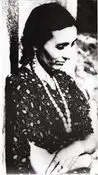
Bronisława Wajs

1908-08-17 – 1987-02-08
Bronisława Wajs, better known by her stage name Papusza, was a Polish Romani singer and poet. Her work, marked by a deep connection to the culture and tradition of her people, addresses themes such as nature, love, pain, and Romani identity. Despite facing difficulties and misunderstanding, her poetic voice became an important testament to the Romani experience, influencing later generations of artists and writers.
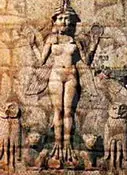
En Hedu'anna

2285ac – 2300-01-01
In Hedu'anna is recognized as the first known author in human history, a Sumerian priestess who lived in ancient Mesopotamia. Her poetic work, mainly composed of religious hymns dedicated to the goddess Inanna, reveals a deep spirituality and a remarkable mastery of language. Her writings not only express devotion but also explore universal themes such as power, justice, and compassion, establishing a literary and religious legacy that endures through millennia.
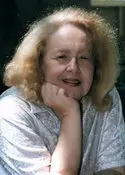
Rose Marie Muraro

1930-11-11 – 2014-06-21
Rose Marie Muraro was a Brazilian writer and activist, known for her literary output and her engagement in social causes, especially the defense of women's rights. Her work frequently explored themes such as female identity, sexuality, and power relations in society. As an activist, Muraro dedicated herself to promoting debate on feminism in Brazil, participating in conferences, publishing articles, and encouraging reflection on the role of women in society. Her work contributed to the visibility of feminist issues and the discussion of gender equality.
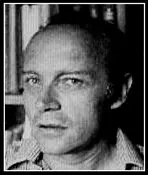
Dan Pagis

1930-10-16 – 1986-06-29
Dan Pagis was an Israeli poet and scholar, known for his lyrical and introspective poetry, often marked by a melancholic tone and reflection on the human condition, memory, and the passage of time. His work is celebrated for its delicacy, depth, and ability to evoke vivid images.
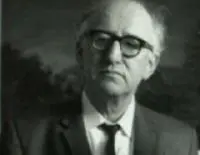
Patrick Kavanagh

1904-10-21 – 1967-11-30
Patrick Kavanagh was an Irish poet whose works are marked by a deep connection to the land, the simplicity of rural life, and a brutal honesty about the struggles and joys of existence. His poetry, often autobiographical, explores themes such as identity, faith, solitude, and the search for beauty in everyday life. Kavanagh is celebrated for his authentic voice and his ability to evoke landscapes and emotions with lyrical clarity and existential depth.
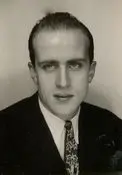
Boris Vian

1920-03-10 – 1959-06-23
Boris Vian was a French writer, poet, playwright, jazz musician, composer, singer, lyricist, translator, critic, and inventor. Recognized for his multifaceted and transgressive literary work, he explored themes such as love, death, social criticism, and the absurdity of existence with a unique style, marked by humor, irony, and linguistic experimentation. His work, often underestimated during his lifetime, achieved enormous posthumous prestige, making him an unmissable figure in 20th-century literature.
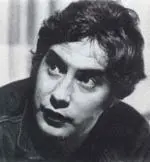
Rolf Dieter Brinkmann
1940-04-16 – 1975-04-23
Rolf Dieter Brinkmann was a German poet, a central figure in post-war German experimental poetry and concrete poetry. His work, marked by the deconstruction of language and the exploration of new forms of expression, addressed themes such as urban alienation, mass culture, and the search for authenticity in an increasingly media-driven and fragmented world. Brinkmann was an innovator, challenging literary conventions and paving the way for future poetic experimentation.
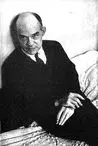
Alfred Starr Hamilton
1914-06-14 – 2005-01-01
Alfred Starr Hamilton was an American poet, painter, and sculptor. His poetic work is characterized by a strong surrealist and existential current, exploring themes such as time, memory, and the human condition. His artistic production also encompassed the visual arts, where he demonstrated an equally expressive capacity.
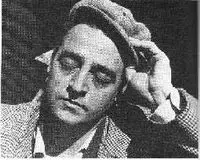
Kenneth Patchen
1911-12-13 – 1972-01-08
Kenneth Patchen was an American poet and novelist, a prominent figure in beat poetry and one of the pioneers of spoken word poetry. Known for his experimental approach and strong social criticism, his work explores themes such as war, injustice, love, and spirituality. Patchen developed a unique style, combining visual poetry, performance, and direct, passionate language, making him an influential name for generations of artists.
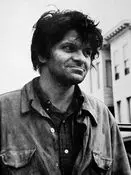
Gregory Corso
1930-03-26 – 2001-01-17
Gregory Corso was an American poet, prominent in the Beat scene, known for his vibrant, irreverent, and often lyrical poetry. His work explores themes such as love, death, religion, politics, and the urban experience with accessible language, yet full of strong imagery and a captivating rhythm. Recognized for his active participation in poetry readings and his influence on the Beat movement, Corso left a lasting legacy in American poetry, with iconic poems that continue to be read and admired for their raw energy and originality.
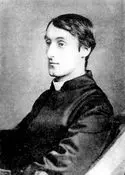
Gerard Manley Hopkins

1844-07-28 – 1889-06-08
Gerard Manley Hopkins was an English Jesuit poet, known for his innovative approach to meter and the intensity of his poetic language. His work, marked by profound spirituality and keen observation of nature, was only widely published after his death but influenced generations of modern poets. He is celebrated for his unique use of 'sprung rhythm' and his ability to capture the vitality and beauty of the natural and spiritual world.

Robin Blaser
1925-05-18 – 2009-05-07
Robin Blaser was a Canadian poet, a prominent figure in Vancouver's literary scene, known for his dense, philosophical poetry and his influence on experimental poetry and writing about art. His work explores language, perception, and the relationship between humanity and the cosmos.

Letícia Parente
1930 – 1991-09-06
Letícia Parente was a Brazilian visual artist, a pioneer of video art in the country. Her work explored themes such as identity, the body, oppression, and the female condition, often through provocative performances and conceptual installations. Using video as her main tool, Parente questioned social and political structures, leaving an important legacy in Brazilian and international contemporary art.