

Poemas neste tema
Medo e Ansiedade
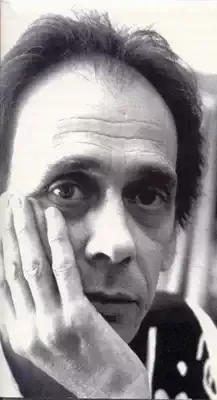
Al Berto
Retrato de um Amigo Enquanto Bebe
íamos por noites de ciclone largar a tristeza
à porta marítima das tabernas...éramos a sombra
que mancha o tampo da mesa oscilante
falávamos alto como fazem os marinheiro
bebíamos até cair
conheço este homem
debruçado para o rosto indeciso do rapaz
perguntava se havia mal no que fazia....
.... eu olhava a televisão pedia mais vinho
interrogava-me
que secretos desejos teriam singrado
com aquele navio carregado de morte?
e a cidade crescia, crescia a noite adiante sob a tempestade
os passos ecoavam apressados pelo cais
Como te chamas? Perguntou
mas o rapaz não respondeu...e nada em redor
tremeluzia
o homem levantou-se
indiferente à revelação da alba, titubeou, tossiu
apoiado no magro ombro do rapaz
desapareceram pelas ruas estreitas do mar
entre redes, cordas, quilhas remos
onde se embarca para o medo esquecido de mais um dia.
à porta marítima das tabernas...éramos a sombra
que mancha o tampo da mesa oscilante
falávamos alto como fazem os marinheiro
bebíamos até cair
conheço este homem
debruçado para o rosto indeciso do rapaz
perguntava se havia mal no que fazia....
.... eu olhava a televisão pedia mais vinho
interrogava-me
que secretos desejos teriam singrado
com aquele navio carregado de morte?
e a cidade crescia, crescia a noite adiante sob a tempestade
os passos ecoavam apressados pelo cais
Como te chamas? Perguntou
mas o rapaz não respondeu...e nada em redor
tremeluzia
o homem levantou-se
indiferente à revelação da alba, titubeou, tossiu
apoiado no magro ombro do rapaz
desapareceram pelas ruas estreitas do mar
entre redes, cordas, quilhas remos
onde se embarca para o medo esquecido de mais um dia.
5 735
1

João Ferry
Não Se Pode
Quando eu era menino andava em voga
A história da "Não se Pode",
Uma mulher esguia, que de toga
Como um fantasma, à toa, de pagode
Altas horas da noite então vagava.
E quando alguém seu nome perguntava
Invariavelmente respondia,
Com a voz cava e cheia de agonia:
"Não se Pode!" "Não se Pode!"
Era um fantasma esquisito e feio
De estatura comum, mas que crescia
Toda vez que cigarros acendia
Nos lampiões das esquinas e do passeio.
Escaveirada, de carão ossudo,
olhos sem brilho, sem nenhum clarão,
A "Não se Pode" era um duende mudo
Alma penada pela solidão.
Soldados de patrulha da cidade
Uma noite entenderam de segui-la.
Mas a "Não se Pode", como um cão de fila,
Evitava qualquer intimidade.
Suas pegadas no chão jamais se viu
E do velho quartel para o mercado,
Seus pontos preferidos,
Era como um vulto malfadado
Dos mistérios do além, desconhecidos...
E quando uma noite fugia pelo espaço
"Não se Pode" também no seu regaço
Em fumaças de pós se desfazia...
A minha alma também é assim
Se alguém sacode
Os sofrimentos que meu peito esconde
Pressurosa e bem triste ela responde:
"Não se Pode!" "Não se Pode!"
A história da "Não se Pode",
Uma mulher esguia, que de toga
Como um fantasma, à toa, de pagode
Altas horas da noite então vagava.
E quando alguém seu nome perguntava
Invariavelmente respondia,
Com a voz cava e cheia de agonia:
"Não se Pode!" "Não se Pode!"
Era um fantasma esquisito e feio
De estatura comum, mas que crescia
Toda vez que cigarros acendia
Nos lampiões das esquinas e do passeio.
Escaveirada, de carão ossudo,
olhos sem brilho, sem nenhum clarão,
A "Não se Pode" era um duende mudo
Alma penada pela solidão.
Soldados de patrulha da cidade
Uma noite entenderam de segui-la.
Mas a "Não se Pode", como um cão de fila,
Evitava qualquer intimidade.
Suas pegadas no chão jamais se viu
E do velho quartel para o mercado,
Seus pontos preferidos,
Era como um vulto malfadado
Dos mistérios do além, desconhecidos...
E quando uma noite fugia pelo espaço
"Não se Pode" também no seu regaço
Em fumaças de pós se desfazia...
A minha alma também é assim
Se alguém sacode
Os sofrimentos que meu peito esconde
Pressurosa e bem triste ela responde:
"Não se Pode!" "Não se Pode!"
1 022
1

José Terra
Insegurança
Tenho medo de ti, ó meu irmão,
Dessas palavras mansas tenho medo,
Se até as pedras ouvem o segredo
Guardado nos confins do coração ...
Tenho receio, amor, dessa canção
Que tu me cantas, desse teu enredo
Será teu corpo a nau para o degredo.
Teus braços nus a grade da prisão?
Minha mãe! minha mãe! não te confio
O meu destino e é vão esse teu pranto!
Não trairás acaso o filho amado?
Não me conheço nessa voz que rio,
Espreitam-me os assassinos, e, no entanto,
É um criminoso o que ficar calado!
Dessas palavras mansas tenho medo,
Se até as pedras ouvem o segredo
Guardado nos confins do coração ...
Tenho receio, amor, dessa canção
Que tu me cantas, desse teu enredo
Será teu corpo a nau para o degredo.
Teus braços nus a grade da prisão?
Minha mãe! minha mãe! não te confio
O meu destino e é vão esse teu pranto!
Não trairás acaso o filho amado?
Não me conheço nessa voz que rio,
Espreitam-me os assassinos, e, no entanto,
É um criminoso o que ficar calado!
1 073
1

Goulart Gomes
Semi-ótica
esteiras de linho
tenho cruzado adagas
e cegado meus caminhos
o vento toca seu alaúde
estão trancados nossos sonhos
bem guardados no escuro
vermelhidão de mar
mortovivo, plasma de segredos
e os medos nossos
não sei bem se posso seguir
estes desígnios ou
minguar à fome
destes signos.
tenho cruzado adagas
e cegado meus caminhos
o vento toca seu alaúde
estão trancados nossos sonhos
bem guardados no escuro
vermelhidão de mar
mortovivo, plasma de segredos
e os medos nossos
não sei bem se posso seguir
estes desígnios ou
minguar à fome
destes signos.
1 018
1

Izabel Bellini Zielinsky
Terror
Dominado, atado,
finalmente guardado
para existir
em outro pecado.
Vozes, murmúrios,
tin-tins,
gizos
de um arlequim.
Não são meus...
Meus, os terrores,
o peito que dói
em arritmia.
Terror de não estar
dentro de minha
sintonia,
querendo ganhar
a tranqüilidade
dos fantasmas.
finalmente guardado
para existir
em outro pecado.
Vozes, murmúrios,
tin-tins,
gizos
de um arlequim.
Não são meus...
Meus, os terrores,
o peito que dói
em arritmia.
Terror de não estar
dentro de minha
sintonia,
querendo ganhar
a tranqüilidade
dos fantasmas.
453
1
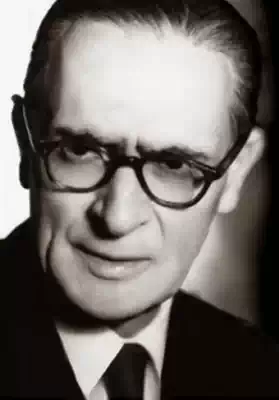
Edmundo de Bettencourt
Horas
Gelava o tempo branco do relógio.
Fundiu-se um dia o mostrador
aberto para dentro
num foco por onde as horas negras fugiram enlouquecidas!
Lá para longe na faixa rósea da distância
recuaram ante o incessante alarido dos sinos
e logo regressaram
desesperadamente procurando em vão
o maquinismo do relógio,
Vai-se o dia fechado de silêncio
num quadrado de luz amarelada
e de novo preso o pé da jovem
quando ia para sair.
Fundiu-se um dia o mostrador
aberto para dentro
num foco por onde as horas negras fugiram enlouquecidas!
Lá para longe na faixa rósea da distância
recuaram ante o incessante alarido dos sinos
e logo regressaram
desesperadamente procurando em vão
o maquinismo do relógio,
Vai-se o dia fechado de silêncio
num quadrado de luz amarelada
e de novo preso o pé da jovem
quando ia para sair.
1 097
1

Adriana Lustosa
Ontem
Ontem
saí por aí
navegando...
Hoje
tenho medo de voltar
à terra estranha
a ter terra nos pés.
Quando a noite caiu
achei que tinha algo a dizer
do silêncio (dele)
mas antes de dizer
caio também
no absurdo
antes de dizer
escuto...
saí por aí
navegando...
Hoje
tenho medo de voltar
à terra estranha
a ter terra nos pés.
Quando a noite caiu
achei que tinha algo a dizer
do silêncio (dele)
mas antes de dizer
caio também
no absurdo
antes de dizer
escuto...
880
1
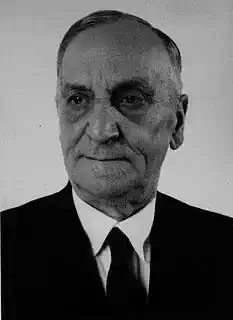
Afonso Duarte
O Medo das Sombras
Rondam sombras pelas telhas:
Não é vento são andanças
De bruxas! As bruxas velhas
Chupam o sangue às crianças.
A mãe dorme, a filha ao pé,
Em casa de telha vã
Onde nem há chaminé;
E de interiores deserta
É toda uma casa aberta
A chuva e sol da manhã.
E a filha diz para a mãe,
Como a mãe responde à filha,
Porque este drama não tem
A mais do que mãe e filha:
— Mãezinha, que é, que é?
— Não luz vidro no soalho,
Nem há lume de tição;
Está a gatinha ao borralho.
Oh! dorme, meu coração,
Susto, filha, não te dê:
A água do bebedouro
Espelha luz que se vê.
Longe vá o mau agouro,
Benza-me a luz que nos olha:
Quem não existe não é.
O pucarinho de folha
Lá está no mesmo pé.
— Pela telha destelhada,
Minha mãe, minha mãezinha,
Voar negro de andorinha
Com risos de gargalhada!
— Água da bica, lá fora,
Corre, corre, que se chora:
Filha minha, não tens sede?
— Como peixinhos na rede,
Sombras, ó mãe, na parede!
Não é nada não é nada:
Buraco da fechadura,
Em rosa de luz coada
Será a luz da madrugada
Que vem em nossa procura.
Não é vento são andanças
De bruxas! As bruxas velhas
Chupam o sangue às crianças.
A mãe dorme, a filha ao pé,
Em casa de telha vã
Onde nem há chaminé;
E de interiores deserta
É toda uma casa aberta
A chuva e sol da manhã.
E a filha diz para a mãe,
Como a mãe responde à filha,
Porque este drama não tem
A mais do que mãe e filha:
— Mãezinha, que é, que é?
— Não luz vidro no soalho,
Nem há lume de tição;
Está a gatinha ao borralho.
Oh! dorme, meu coração,
Susto, filha, não te dê:
A água do bebedouro
Espelha luz que se vê.
Longe vá o mau agouro,
Benza-me a luz que nos olha:
Quem não existe não é.
O pucarinho de folha
Lá está no mesmo pé.
— Pela telha destelhada,
Minha mãe, minha mãezinha,
Voar negro de andorinha
Com risos de gargalhada!
— Água da bica, lá fora,
Corre, corre, que se chora:
Filha minha, não tens sede?
— Como peixinhos na rede,
Sombras, ó mãe, na parede!
Não é nada não é nada:
Buraco da fechadura,
Em rosa de luz coada
Será a luz da madrugada
Que vem em nossa procura.
1 646
1

Rafael do Nascimento Monteiro
Amor proibido
Só quem viveu entende
Amor proibido.
Mexe com a essência da gente,
Com o libido.
Tudo fica mais excitante.
No encontro escondido
O coração bate forte,
O rosto cora.
Num simples toque de mão.
Não há quem suporte
A emoção da primeira vez,
É emoção de mais.
Mistura de medo e paixão
Arrependimento jamais.
Os sentimentos saltam aos olhos,
As palavras saem entrecortadas.
Parece que o mundo inteiro
Vai descobrir esse pecado.
Mas com tanto amor assim,
Com certeza seremos perdoados.
Amor proibido.
Mexe com a essência da gente,
Com o libido.
Tudo fica mais excitante.
No encontro escondido
O coração bate forte,
O rosto cora.
Num simples toque de mão.
Não há quem suporte
A emoção da primeira vez,
É emoção de mais.
Mistura de medo e paixão
Arrependimento jamais.
Os sentimentos saltam aos olhos,
As palavras saem entrecortadas.
Parece que o mundo inteiro
Vai descobrir esse pecado.
Mas com tanto amor assim,
Com certeza seremos perdoados.
2 254
1
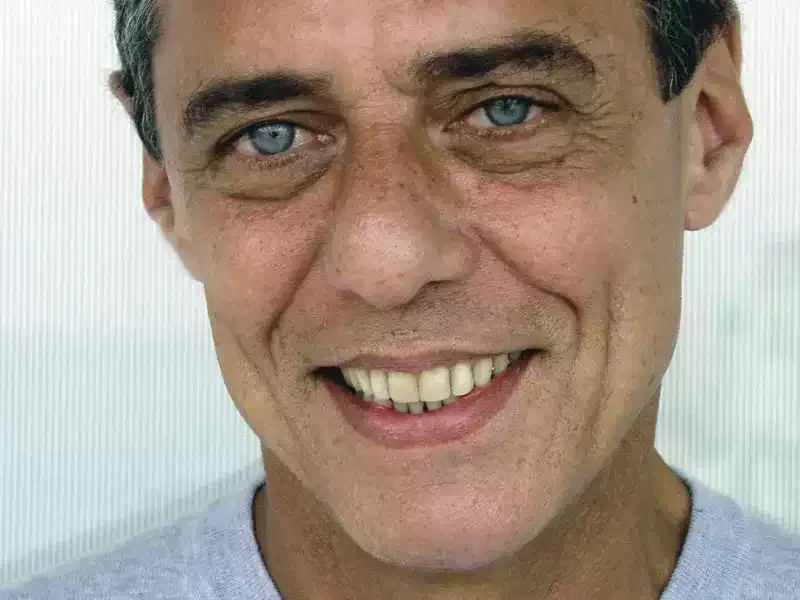
Chico Buarque
O que será (à flor da pele)
O que será que me dá
Que me bole por dentro, será que me dá
Que brota à flor da pele, será que me dá
E que me sobe às faces e me faz corar
E que me salta aos olhos a me atraiçoar
E que me aperta o peito e me faz confessar
O que não tem mais jeito de dissimular
E que nem é direito ninguém recusar
E que me faz mendigo, me faz suplicar
O que não tem medida, nem nunca terá
O que não tem remédio, nem nunca terá
O que não tem receita
O que será que será
Que dá dentro da gente e que não devia
Que desacata a gente, que é revelia
Que é feito uma aguardente que não sacia
Que é feito estar doente de uma folia
Que nem dez mandamentos vão conciliar
Nem todos os ungüentos vão aliviar
Nem todos os quebrantos, toda alquimia
Que nem todos os santos, será que será
O que não tem descanso, nem nunca terá
O que não tem cansaço, nem nunca terá
O que não tem limite
O que será que me dá
Que me queima por dentro, será que me dá
Que me perturba o sono, será que me dá
Que todos os tremores me vêm agitar
Que todos os ardores me vêm atiçar
Que todos os suores me vêm encharcar
Que todos os meus nervos estão a rogar
Que todos os meus órgãos estão a clamar
E uma aflição medonha me faz implorar
O que não tem vergonha, nem nunca terá
O que não tem governo, nem nunca terá
O que não tem juízo
Que me bole por dentro, será que me dá
Que brota à flor da pele, será que me dá
E que me sobe às faces e me faz corar
E que me salta aos olhos a me atraiçoar
E que me aperta o peito e me faz confessar
O que não tem mais jeito de dissimular
E que nem é direito ninguém recusar
E que me faz mendigo, me faz suplicar
O que não tem medida, nem nunca terá
O que não tem remédio, nem nunca terá
O que não tem receita
O que será que será
Que dá dentro da gente e que não devia
Que desacata a gente, que é revelia
Que é feito uma aguardente que não sacia
Que é feito estar doente de uma folia
Que nem dez mandamentos vão conciliar
Nem todos os ungüentos vão aliviar
Nem todos os quebrantos, toda alquimia
Que nem todos os santos, será que será
O que não tem descanso, nem nunca terá
O que não tem cansaço, nem nunca terá
O que não tem limite
O que será que me dá
Que me queima por dentro, será que me dá
Que me perturba o sono, será que me dá
Que todos os tremores me vêm agitar
Que todos os ardores me vêm atiçar
Que todos os suores me vêm encharcar
Que todos os meus nervos estão a rogar
Que todos os meus órgãos estão a clamar
E uma aflição medonha me faz implorar
O que não tem vergonha, nem nunca terá
O que não tem governo, nem nunca terá
O que não tem juízo
2 280
1
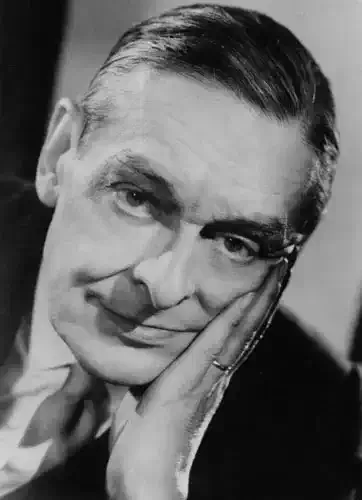
T. S. Eliot
The Love Song of J Alfred Prufrock
The Love Song of J. Alfred Prufrock
Sio credesse che mia risposta fosse
A persona che mai tornasse al mondo,
Questa fiamma staria senza piu scosse.
Ma perciocche giammai di questo fondo
Non torno vivo alcun, siodo il vero,
Senza tema dinfamia ti rispondo.
LET us go then, you and I,
When the evening is spread out against the sky
Like a patient etherised upon a table;
Let us go, through certain half-deserted streets,
The muttering retreats
Of restless nights in one-night cheap hotels
And sawdust restaurants with oyster-shells:
Streets that follow like a tedious argument
Of insidious intent
To lead you to an overwhelming question...
Oh, do not ask, "What is it?"
Let us go and make our visit.
In the room the women come and go
Talking of Michelangelo.
The yellow fog that rubs its back upon the window-panes,
The yellow smoke that rubs its muzzle on the window-panes
Licked its tongue into the corners of the evening,
Lingered upon the pools that stand in drains,
Let fall upon its back the soot that falls from chimneys,
Slipped by the terrace, made a sudden leap,
And seeing that it was a soft October night,
Curled once about the house, and fell asleep.
And indeed there will be time
For the yellow smoke that slides along the street,
Rubbing its back upon the window-panes;
There will be time, there will be time
To prepare a face to meet the faces that you meet;
There will be time to murder and create,
And time for all the works and days of hands
That lift and drop a question on your plate;
Time for you and time for me,
And time yet for a hundred indecisions,
And for a hundred visions and revisions,
Before the taking of a toast and tea.
In the room the women come and go
Talking of Michelangelo.
And indeed there will be time
To wonder, "Do I dare?" and, "Do I dare?"
Time to turn back and descend the stair,
With a bald spot in the middle of my hair—
[They will say: "How his hair is growing thin!"]
My morning coat, my collar mounting firmly to the chin,
My necktie rich and modest, but asserted by a simple pin—
[They will say: "But how his arms and legs are thin!"]
Do I dare
Disturb the universe?
In a minute there is time
For decisions and revisions which a minute will reverse.
For I have known them all already, known them all:—
Have known the evenings, mornings, afternoons,
I have measured out my life with coffee spoons;
I know the voices dying with a dying fall
Beneath the music from a farther room.
So how should I presume?
And I have known the eyes already, known them all—
The eyes that fix you in a formulated phrase,
And when I am formulated, sprawling on a pin,
When I am pinned and wriggling on the wall,
Then how should I begin
To spit out all the butt-ends of my days and ways?
And how should I presume?
And I have known the arms already, known them all—
Arms that are braceleted and white and bare
[But in the lamplight, downed with light brown hair!]
It is perfume from a dress
That makes me so digress?
Arms that lie along a table, or wrap about a shawl.
And should I then presume?
And how should I begin?
. . . . .
Shall I say, I have gone at dusk through narrow streets
And watched the smoke that rises from the pipes
Of lonely men in shirt-sleeves, leaning out of windows?...
I should have been a pair of ragged claws
Scuttling across the floors of silent seas.
. . . . .
And the afternoon, the evening, sleeps so peacefully!
Smoothed by long fingers,
Asleep ... tired ... or it malingers,
Stretched on the floor, here beside you and me.
Should I, after tea and cakes and ices,
Have the strength to force the moment to its crisis?
But though I have wept and fasted, wept and prayed,
Though I have seen my head [grown slightly bald] brought in upon a platter,
I am no prophet—and heres no great matter;
I have seen the moment of my greatness flicker,
And I have seen the eternal Footman hold my coat, and snicker,
And in short, I was afraid.
And would it have been worth it, after all,
After the cups, the marmalade, the tea,
Among the porcelain, among some talk of you and me,
Would it have been worth while,
To have bitten off the matter with a smile,
To have squeezed the universe into a ball
To roll it toward some overwhelming question,
To say: "I am Lazarus, come from the dead,
Come back to tell you all, I shall tell you all"—
If one, settling a pillow by her head,
Should say: "That is not what I meant at all.
That is not it, at all."
And would it have been worth it, after all,
Would it have been worth while,
After the sunsets and the dooryards and the sprinkled streets,
After the novels, after the teacups, after the skirts that trail along the floor—
And this, and so much more?—
It is impossible to say just what I mean!
But as if a magic lantern threw the nerves in patterns on a screen:
Would it have been worth while
If one, settling a pillow or throwing off a shawl,
And turning toward the window, should say:
"That is not it at all,
That is not what I meant, at all."
. . . . .
No! I am not Prince Hamlet, nor was meant to be;
Am an attendant lord, one that will do
To swell a progress, start a scene or two,
Advise the prince; no doubt, an easy tool,
Deferential, glad to be of use,
Politic, cautious, and meticulous;
Full of high sentence, but a bit obtuse;
At times, indeed, almost ridiculous—
Almost, at times, the Fool.
I grow old ... I grow old...
I shall wear the bottoms of my trousers rolled.
Shall I part my hair behind? Do I dare to eat a peach?
I shall wear white flannel trousers, and walk upon the beach.
I have heard the mermaids singing, each to each.
I do not think that they will sing to me.
I have seen them riding seaward on the waves
Combing the white hair of the waves blown back
When the wind blows the water white and black.
We have lingered in the chambers of the sea
By sea-girls wreathed with seaweed red and brown
Till human voices wake us, and we drown.
Sio credesse che mia risposta fosse
A persona che mai tornasse al mondo,
Questa fiamma staria senza piu scosse.
Ma perciocche giammai di questo fondo
Non torno vivo alcun, siodo il vero,
Senza tema dinfamia ti rispondo.
LET us go then, you and I,
When the evening is spread out against the sky
Like a patient etherised upon a table;
Let us go, through certain half-deserted streets,
The muttering retreats
Of restless nights in one-night cheap hotels
And sawdust restaurants with oyster-shells:
Streets that follow like a tedious argument
Of insidious intent
To lead you to an overwhelming question...
Oh, do not ask, "What is it?"
Let us go and make our visit.
In the room the women come and go
Talking of Michelangelo.
The yellow fog that rubs its back upon the window-panes,
The yellow smoke that rubs its muzzle on the window-panes
Licked its tongue into the corners of the evening,
Lingered upon the pools that stand in drains,
Let fall upon its back the soot that falls from chimneys,
Slipped by the terrace, made a sudden leap,
And seeing that it was a soft October night,
Curled once about the house, and fell asleep.
And indeed there will be time
For the yellow smoke that slides along the street,
Rubbing its back upon the window-panes;
There will be time, there will be time
To prepare a face to meet the faces that you meet;
There will be time to murder and create,
And time for all the works and days of hands
That lift and drop a question on your plate;
Time for you and time for me,
And time yet for a hundred indecisions,
And for a hundred visions and revisions,
Before the taking of a toast and tea.
In the room the women come and go
Talking of Michelangelo.
And indeed there will be time
To wonder, "Do I dare?" and, "Do I dare?"
Time to turn back and descend the stair,
With a bald spot in the middle of my hair—
[They will say: "How his hair is growing thin!"]
My morning coat, my collar mounting firmly to the chin,
My necktie rich and modest, but asserted by a simple pin—
[They will say: "But how his arms and legs are thin!"]
Do I dare
Disturb the universe?
In a minute there is time
For decisions and revisions which a minute will reverse.
For I have known them all already, known them all:—
Have known the evenings, mornings, afternoons,
I have measured out my life with coffee spoons;
I know the voices dying with a dying fall
Beneath the music from a farther room.
So how should I presume?
And I have known the eyes already, known them all—
The eyes that fix you in a formulated phrase,
And when I am formulated, sprawling on a pin,
When I am pinned and wriggling on the wall,
Then how should I begin
To spit out all the butt-ends of my days and ways?
And how should I presume?
And I have known the arms already, known them all—
Arms that are braceleted and white and bare
[But in the lamplight, downed with light brown hair!]
It is perfume from a dress
That makes me so digress?
Arms that lie along a table, or wrap about a shawl.
And should I then presume?
And how should I begin?
. . . . .
Shall I say, I have gone at dusk through narrow streets
And watched the smoke that rises from the pipes
Of lonely men in shirt-sleeves, leaning out of windows?...
I should have been a pair of ragged claws
Scuttling across the floors of silent seas.
. . . . .
And the afternoon, the evening, sleeps so peacefully!
Smoothed by long fingers,
Asleep ... tired ... or it malingers,
Stretched on the floor, here beside you and me.
Should I, after tea and cakes and ices,
Have the strength to force the moment to its crisis?
But though I have wept and fasted, wept and prayed,
Though I have seen my head [grown slightly bald] brought in upon a platter,
I am no prophet—and heres no great matter;
I have seen the moment of my greatness flicker,
And I have seen the eternal Footman hold my coat, and snicker,
And in short, I was afraid.
And would it have been worth it, after all,
After the cups, the marmalade, the tea,
Among the porcelain, among some talk of you and me,
Would it have been worth while,
To have bitten off the matter with a smile,
To have squeezed the universe into a ball
To roll it toward some overwhelming question,
To say: "I am Lazarus, come from the dead,
Come back to tell you all, I shall tell you all"—
If one, settling a pillow by her head,
Should say: "That is not what I meant at all.
That is not it, at all."
And would it have been worth it, after all,
Would it have been worth while,
After the sunsets and the dooryards and the sprinkled streets,
After the novels, after the teacups, after the skirts that trail along the floor—
And this, and so much more?—
It is impossible to say just what I mean!
But as if a magic lantern threw the nerves in patterns on a screen:
Would it have been worth while
If one, settling a pillow or throwing off a shawl,
And turning toward the window, should say:
"That is not it at all,
That is not what I meant, at all."
. . . . .
No! I am not Prince Hamlet, nor was meant to be;
Am an attendant lord, one that will do
To swell a progress, start a scene or two,
Advise the prince; no doubt, an easy tool,
Deferential, glad to be of use,
Politic, cautious, and meticulous;
Full of high sentence, but a bit obtuse;
At times, indeed, almost ridiculous—
Almost, at times, the Fool.
I grow old ... I grow old...
I shall wear the bottoms of my trousers rolled.
Shall I part my hair behind? Do I dare to eat a peach?
I shall wear white flannel trousers, and walk upon the beach.
I have heard the mermaids singing, each to each.
I do not think that they will sing to me.
I have seen them riding seaward on the waves
Combing the white hair of the waves blown back
When the wind blows the water white and black.
We have lingered in the chambers of the sea
By sea-girls wreathed with seaweed red and brown
Till human voices wake us, and we drown.
2 475
1
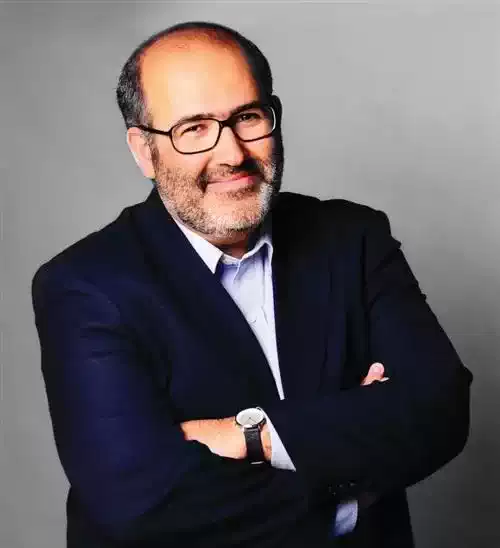
José Tolentino Mendonça
Mercado velho, Machico
Uma paisagem muito ao longe
quando se regressa
continuamos a vê-la no escuro
fechamos os olhos,sentimo-nos vivos
na sucessão dos séculos
falamos de súbito
daquilo que nos assusta
um segredo demasiado intenso
o malogro dos códigos
qualquer ideia extrema
que destrói o mundo e não queríamos
mas estamos tão pouco
onde estamos
quando se regressa
continuamos a vê-la no escuro
fechamos os olhos,sentimo-nos vivos
na sucessão dos séculos
falamos de súbito
daquilo que nos assusta
um segredo demasiado intenso
o malogro dos códigos
qualquer ideia extrema
que destrói o mundo e não queríamos
mas estamos tão pouco
onde estamos
1 992
1
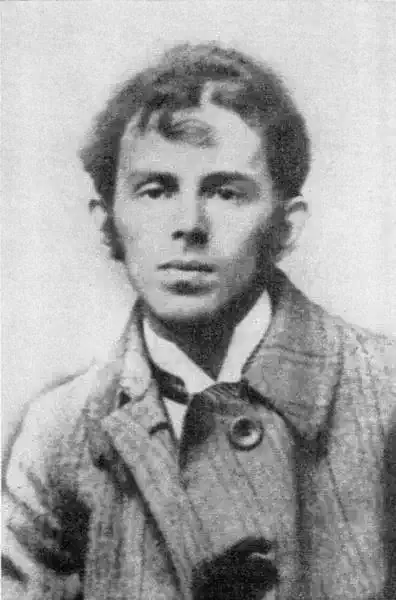
Ossip Mandelstam
Caminheiro
Caminheiro
Sinto é um medo, um medo insuperável
Defronte das alturas misteriosas.
E dizer que me agradam andorinhas
No céu e do campanário o alto voo!
Caminheiro de outrora, cá me iludo
Pensando ouvir à borda do abismo
A pedra a ceder, a bola de neve,
O relógio batendo eternidade.
Se assim fosse! Mas não sou o peregrino
Que vem dos fólios antigos desbotados,
E o que em mim real canta é esta angústia:
Certo – desce uma avalancha das montanhas!
E toda a minha alma está nos sinos,
Só que a música não salva dos abismos!
Sinto é um medo, um medo insuperável
Defronte das alturas misteriosas.
E dizer que me agradam andorinhas
No céu e do campanário o alto voo!
Caminheiro de outrora, cá me iludo
Pensando ouvir à borda do abismo
A pedra a ceder, a bola de neve,
O relógio batendo eternidade.
Se assim fosse! Mas não sou o peregrino
Que vem dos fólios antigos desbotados,
E o que em mim real canta é esta angústia:
Certo – desce uma avalancha das montanhas!
E toda a minha alma está nos sinos,
Só que a música não salva dos abismos!
1 681
1
Luís Miguel Nava
O abismo
Com a sua pele de poço,
pele comprometida com o medo que no fundo fede e a que,
digamos,toda ela adere de uma forma resoluta,
dir-se-ia que se engancha, se pendura,
o branco da memória a alastrar pelo corpo,
um branco tão branco como o das noites em branco
e sobre o qual a idade, exorbitada, hiante, se insinua,
pensos, ligaduras, impregnados de memória,
uma memória onde fulgura a lava dos sentidos que entram
em actividade e lhe disputam os dias idos,
assim ergue a balança,onde sustém o abismo.
pele comprometida com o medo que no fundo fede e a que,
digamos,toda ela adere de uma forma resoluta,
dir-se-ia que se engancha, se pendura,
o branco da memória a alastrar pelo corpo,
um branco tão branco como o das noites em branco
e sobre o qual a idade, exorbitada, hiante, se insinua,
pensos, ligaduras, impregnados de memória,
uma memória onde fulgura a lava dos sentidos que entram
em actividade e lhe disputam os dias idos,
assim ergue a balança,onde sustém o abismo.
1 930
1
José Tolentino Mendonça
Uma Coisa A Menos Para Adorar
Já vi matar um homem
é terrível a desolação que um corpo deixa
sobre a terra
uma coisa a menos para adorar
quando tudo se apaga
as paisagens descobrem-se perdidas
irreconciliáveis
entendes por isso o meu pânico
nessas noites em que volto sem razão nenhuma
a correr pelo pontão de madeira
onde um homem foi morto
arranco como os atletas ao som de um disparo seco
mas sou apenas alguém que de noite
grita pela casa
há quem diga
a vida é um pau de fósforo
escasso demais
para o milagre do fogo
hoje estive tão triste
que ardi centenas de fósforos
pela tarde fora
enquanto pensava no homem que vi matar
e de quem não soube nunca nada
nem o nome
é terrível a desolação que um corpo deixa
sobre a terra
uma coisa a menos para adorar
quando tudo se apaga
as paisagens descobrem-se perdidas
irreconciliáveis
entendes por isso o meu pânico
nessas noites em que volto sem razão nenhuma
a correr pelo pontão de madeira
onde um homem foi morto
arranco como os atletas ao som de um disparo seco
mas sou apenas alguém que de noite
grita pela casa
há quem diga
a vida é um pau de fósforo
escasso demais
para o milagre do fogo
hoje estive tão triste
que ardi centenas de fósforos
pela tarde fora
enquanto pensava no homem que vi matar
e de quem não soube nunca nada
nem o nome
2 455
1
David Mourão-Ferreira
Blocos
É isto vivemos dentro
de grandes blocos de gelo
sem aquecermos ao menos
com os dedos outros dedos
No fundo de nós temendo
que um dia se quebre o gelo
de grandes blocos de gelo
sem aquecermos ao menos
com os dedos outros dedos
No fundo de nós temendo
que um dia se quebre o gelo
3 841
1
Ronaldo Cunha Lima
O medo e a falta
Você me faz medo,
mas você me faz falta.
A diferença entre o medo e a falta
é que o medo você sabe quando tem,
e na falta você sente que não tem.
A falta, com o medo, sobressalta.
Entre o medo que você me traz
e a falta que você me faz,
você é o medo que me falta.
mas você me faz falta.
A diferença entre o medo e a falta
é que o medo você sabe quando tem,
e na falta você sente que não tem.
A falta, com o medo, sobressalta.
Entre o medo que você me traz
e a falta que você me faz,
você é o medo que me falta.
1 984
1

Raimundo Bento Sotero
Um Vulto
Noite atroz! Na medonha Solidão
Da rua torta e mal iluminada
Pela pálida luz da madrugada,
Um vulto ia varando a escuridão.
Quem seria tal vulto? Algum ladrão,
Resvalando furtivo na calada?
Um amante buscando sua amada?
Seria alma penada, assombração?
Fazia frio. Os cães se enrodilhavam,
Os pássaros noturnos não voavam,
E um silêncio mortal dava receio.
Somente aquele vulto vertical,
Envolto no silêncio sepulcral,
Impávido, seguia o seu passeio.
Da rua torta e mal iluminada
Pela pálida luz da madrugada,
Um vulto ia varando a escuridão.
Quem seria tal vulto? Algum ladrão,
Resvalando furtivo na calada?
Um amante buscando sua amada?
Seria alma penada, assombração?
Fazia frio. Os cães se enrodilhavam,
Os pássaros noturnos não voavam,
E um silêncio mortal dava receio.
Somente aquele vulto vertical,
Envolto no silêncio sepulcral,
Impávido, seguia o seu passeio.
1 230
1
Manuel Alegre
Variações sobre
O POEMA POUCO ORIGINAL DO MEDO
de Alexandre ONeill
Os ratos invadiram a cidade
povoaram as casas os ratos roeram
o coração das gentes.
Cada homem traz um rato na alma.
Na rua os ratos roeram a vida.
É proibido não ser rato.
Canto na toca. E sou um homem.
Os ratos não tiveram tempo de roer-me
os ratos não podem roer um homem
que grita não aos ratos.
Encho a toca de sol.
(Cá fora os ratos roeram o sol).
Encho a toca de luar.
(Cá fora os ratos roeram a lua).
Encho a toca de amor.
(Cá fora os ratos roeram o amor).
Na toca que já foi dos ratos cantam
os homens que não chiam. E cantando
a toca enche-se de sol.
(O pouco sol que os ratos não roeram).
de Alexandre ONeill
Os ratos invadiram a cidade
povoaram as casas os ratos roeram
o coração das gentes.
Cada homem traz um rato na alma.
Na rua os ratos roeram a vida.
É proibido não ser rato.
Canto na toca. E sou um homem.
Os ratos não tiveram tempo de roer-me
os ratos não podem roer um homem
que grita não aos ratos.
Encho a toca de sol.
(Cá fora os ratos roeram o sol).
Encho a toca de luar.
(Cá fora os ratos roeram a lua).
Encho a toca de amor.
(Cá fora os ratos roeram o amor).
Na toca que já foi dos ratos cantam
os homens que não chiam. E cantando
a toca enche-se de sol.
(O pouco sol que os ratos não roeram).
3 784
1
Fernando Grade
Memento por um coração que ladra
O
cão
que
mais
ganir
é
francês,
eco
nostálgico
de
uma
Bretanha
em fúria,
uvas
sangrentas,
espelho
ratado
pelo
sítio
do umbigo.
Um
bicho
que
gane
merece
os
ardis
todos
e
sulfúricas
desgraças.
Dá-se
ao
animal
o
que
vier
do
medo
(rebuçado
com
buço
de
sapo)
e
as
máscaras
do
Lácio
passam.
Então
ser
voada
flor
em chaga
ou
simples
cão
já
não
atrapalha
nem
é trapaça.
Um
coração
que
ladra
tem
sempre
boa
raça.
cão
que
mais
ganir
é
francês,
eco
nostálgico
de
uma
Bretanha
em fúria,
uvas
sangrentas,
espelho
ratado
pelo
sítio
do umbigo.
Um
bicho
que
gane
merece
os
ardis
todos
e
sulfúricas
desgraças.
Dá-se
ao
animal
o
que
vier
do
medo
(rebuçado
com
buço
de
sapo)
e
as
máscaras
do
Lácio
passam.
Então
ser
voada
flor
em chaga
ou
simples
cão
já
não
atrapalha
nem
é trapaça.
Um
coração
que
ladra
tem
sempre
boa
raça.
937
1
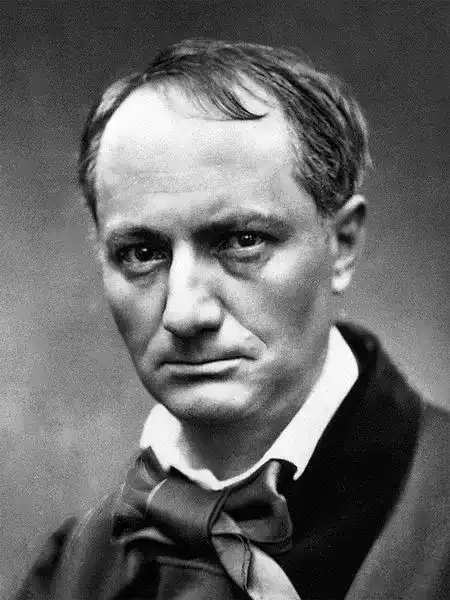
Charles Baudelaire
O Abismo
Pascal em si tinha um abismo se movendo.
- Ai!, tudo é abismo! - sonho, ação, dessejo intenso,
Palavra! E sobre mim, num calafrio, eu penso
Sentir do Medo o vento às vezes se estendendo.
Em volta, do alto, embaixo, a profundeza, o denso
Silêncio, a tumba, o espaço cativante e horrendo...
Em minhas noites, Deus, o sábio dedo erguendo,
Desenha um pesadelo multiforme e imenso.
Tenho medo do sono, o túnel que me esconde,
Cheio de vago horror, levando não sei aonde;
Do infinito, à janela, eu gozo os cruéis prazeres,
E meu espírito, ébrio afeito ao desvario,
Ao nada inveja a insensibilidade e o frio.
- Ah, não sair jamais dos Números e Serees.
- Ai!, tudo é abismo! - sonho, ação, dessejo intenso,
Palavra! E sobre mim, num calafrio, eu penso
Sentir do Medo o vento às vezes se estendendo.
Em volta, do alto, embaixo, a profundeza, o denso
Silêncio, a tumba, o espaço cativante e horrendo...
Em minhas noites, Deus, o sábio dedo erguendo,
Desenha um pesadelo multiforme e imenso.
Tenho medo do sono, o túnel que me esconde,
Cheio de vago horror, levando não sei aonde;
Do infinito, à janela, eu gozo os cruéis prazeres,
E meu espírito, ébrio afeito ao desvario,
Ao nada inveja a insensibilidade e o frio.
- Ah, não sair jamais dos Números e Serees.
6 542
1
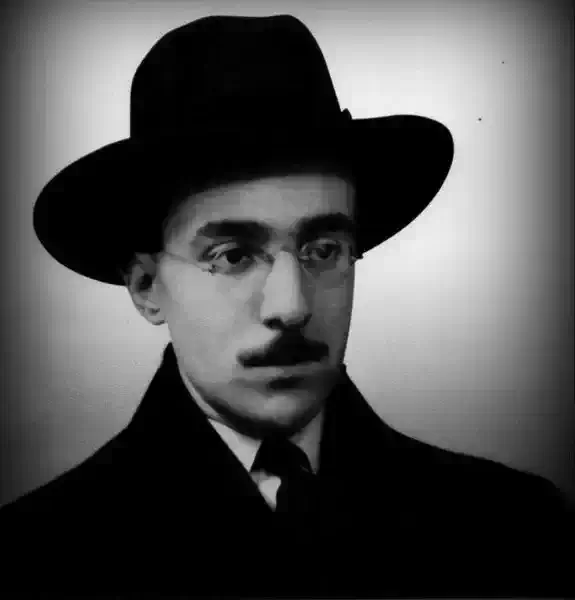
Fernando Pessoa
I - Andei léguas de sombra
EPISÓDIOS
A MÚMIA
I
Andei léguas de sombra
Dentro em meu pensamento.
Floresceu às avessas
Meu ócio com sem-nexo,
E apagaram-me as lâmpadas
Na alcova cambaleante.
Tudo prestes se volve
Um deserto macio
Visto pelo meu tacto
Dos veludos da alcova,
Não pela minha vista,
Há um oásis no Incerto
E, como uma suspeita
De luz por não-há-frinchas,
Passa uma caravana.
Esquece-me de súbito
Como é o espaço, e o tempo
Em vez de horizontal
É vertical.
A alcova
Desce não sei por onde
Até não me encontrar.
Ascende um leve fumo
Das minhas sensações.
Deixo de me incluir
Dentro de mim. Não há
Cá-dentro nem lá-fora.
E o deserto está agora
Virado para baixo.
A noção de mover-me
Esqueceu-se do meu nome.
Na alma meu corpo pesa-me.
Sinto-me um reposteiro
Pendurado na sala
Onde jaz alguém morto.
Qualquer coisa caiu
E tiniu no infinito.
II
Na sombra Cleópatra jaz morta.
Chove.
Embandeiraram o barco de maneira errada.
Chove sempre.
Para que olhas tu a cidade longínqua?
Tua alma é a cidade longínqua.
Chove friamente.
E quanto à mãe que embala ao colo um filho morto –
Todos nós embalamos ao colo um filho morto.
Chove, chove.
O sorriso triste que sobra a teus lábios cansados,
Vejo-o no gesto com que os teus dedos não deixam os teus anéis.
Porque é que chove?
III
De quem é o olhar
Que espreita por meus olhos?
Quando penso que vejo,
Quem continua vendo
Enquanto estou pensando?
Por que caminhos seguem,
Não os meus tristes passos,
Mas a realidade
De eu ter passos comigo?
Às vezes, na penumbra
Do meu quarto, quando eu
Para mim próprio mesmo
Em alma mal existo,
Toma um outro sentido
Em mim o Universo –
É uma nódoa esbatida
De eu ser consciente sobre
Minha ideia das coisas.
Se acenderem as velas
E não houver apenas
A vaga luz de fora –
Não sei que candeeiro
Aceso onde na rua –
Terei foscos desejos
De nunca haver mais nada
No Universo e na Vida
De que o obscuro momento
Que é minha vida agora
Um momento afluente
Dum rio sempre a ir
Esquecer-se de ser,
Espaço misterioso
Entre espaços desertos
Cujo sentido é nulo
E sem ser nada a nada.
E assim a hora passa
Metafisicamente.
IV
As minhas ansiedades caem
Por uma escada abaixo.
Os meus desejos balouçam-se
Em meio de um jardim vertical.
Na Múmia a posição é absolutamente exacta.
Música longínqua,
Música excessivamente longínqua,
Para que a Vida passe
E colher esqueça aos gestos.
V
Porque abrem as coisas alas para eu passar?
Tenho medo de passar entre elas, tão paradas conscientes.
Tenho medo de as deixar atrás de mim a tirarem a Máscara
Mas há sempre coisas atrás de mim.
Sinto a sua ausência de olhos fitar-me, e estremeço.
Sem se mexerem, as paredes vibram-me sentido.
Falam comigo sem voz de dizerem-me as cadeiras.
Os desenhos do pano da mesa têm vida, cada um é um abismo.
Luze a sorrir com visíveis lábios invisíveis
A porta abrindo-se conscientemente
Sem que a mão seja mais que o caminho para abrir-se.
De onde é que estão olhando para mim?
Que coisas incapazes de olhar estão olhando para mim?
Quem espreita de tudo?
As arestas fitam-me.
Sorriem realmente as paredes lisas.
Sensação de ser só a minha espinha.
As espadas.
(Portugal Futurista, nº 1, 1917)
A MÚMIA
I
Andei léguas de sombra
Dentro em meu pensamento.
Floresceu às avessas
Meu ócio com sem-nexo,
E apagaram-me as lâmpadas
Na alcova cambaleante.
Tudo prestes se volve
Um deserto macio
Visto pelo meu tacto
Dos veludos da alcova,
Não pela minha vista,
Há um oásis no Incerto
E, como uma suspeita
De luz por não-há-frinchas,
Passa uma caravana.
Esquece-me de súbito
Como é o espaço, e o tempo
Em vez de horizontal
É vertical.
A alcova
Desce não sei por onde
Até não me encontrar.
Ascende um leve fumo
Das minhas sensações.
Deixo de me incluir
Dentro de mim. Não há
Cá-dentro nem lá-fora.
E o deserto está agora
Virado para baixo.
A noção de mover-me
Esqueceu-se do meu nome.
Na alma meu corpo pesa-me.
Sinto-me um reposteiro
Pendurado na sala
Onde jaz alguém morto.
Qualquer coisa caiu
E tiniu no infinito.
II
Na sombra Cleópatra jaz morta.
Chove.
Embandeiraram o barco de maneira errada.
Chove sempre.
Para que olhas tu a cidade longínqua?
Tua alma é a cidade longínqua.
Chove friamente.
E quanto à mãe que embala ao colo um filho morto –
Todos nós embalamos ao colo um filho morto.
Chove, chove.
O sorriso triste que sobra a teus lábios cansados,
Vejo-o no gesto com que os teus dedos não deixam os teus anéis.
Porque é que chove?
III
De quem é o olhar
Que espreita por meus olhos?
Quando penso que vejo,
Quem continua vendo
Enquanto estou pensando?
Por que caminhos seguem,
Não os meus tristes passos,
Mas a realidade
De eu ter passos comigo?
Às vezes, na penumbra
Do meu quarto, quando eu
Para mim próprio mesmo
Em alma mal existo,
Toma um outro sentido
Em mim o Universo –
É uma nódoa esbatida
De eu ser consciente sobre
Minha ideia das coisas.
Se acenderem as velas
E não houver apenas
A vaga luz de fora –
Não sei que candeeiro
Aceso onde na rua –
Terei foscos desejos
De nunca haver mais nada
No Universo e na Vida
De que o obscuro momento
Que é minha vida agora
Um momento afluente
Dum rio sempre a ir
Esquecer-se de ser,
Espaço misterioso
Entre espaços desertos
Cujo sentido é nulo
E sem ser nada a nada.
E assim a hora passa
Metafisicamente.
IV
As minhas ansiedades caem
Por uma escada abaixo.
Os meus desejos balouçam-se
Em meio de um jardim vertical.
Na Múmia a posição é absolutamente exacta.
Música longínqua,
Música excessivamente longínqua,
Para que a Vida passe
E colher esqueça aos gestos.
V
Porque abrem as coisas alas para eu passar?
Tenho medo de passar entre elas, tão paradas conscientes.
Tenho medo de as deixar atrás de mim a tirarem a Máscara
Mas há sempre coisas atrás de mim.
Sinto a sua ausência de olhos fitar-me, e estremeço.
Sem se mexerem, as paredes vibram-me sentido.
Falam comigo sem voz de dizerem-me as cadeiras.
Os desenhos do pano da mesa têm vida, cada um é um abismo.
Luze a sorrir com visíveis lábios invisíveis
A porta abrindo-se conscientemente
Sem que a mão seja mais que o caminho para abrir-se.
De onde é que estão olhando para mim?
Que coisas incapazes de olhar estão olhando para mim?
Quem espreita de tudo?
As arestas fitam-me.
Sorriem realmente as paredes lisas.
Sensação de ser só a minha espinha.
As espadas.
(Portugal Futurista, nº 1, 1917)
5 822
1
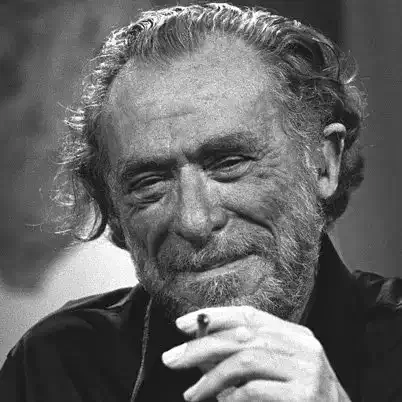
Charles Bukowski
não se esqueça
sempre tem alguém ou algo esperando por você, algo mais forte, mais inteligente, mais maligno, mais gentil, mais durável, algo maior, algo melhor, algo pior, algo com olhos como o tigre, mandíbulas como o tubarão, algo mais louco que louco, mais são do que são,
sempre tem algo ou alguém esperando por você
enquanto calças os teus sapatos ou enquanto dormes
ou enquanto esvazias um caixote do lixo ou acaricias o teu gato ou escovas os dentes ou comemoras um feriadosempre tem alguém ou algo esperando por você.
sempre tem algo ou alguém esperando por você
enquanto calças os teus sapatos ou enquanto dormes
ou enquanto esvazias um caixote do lixo ou acaricias o teu gato ou escovas os dentes ou comemoras um feriadosempre tem alguém ou algo esperando por você.
tenha isto bem em mente para que quando acontecer
você estará o mais pronto possível.
Enquanto isso, um bom dia pra você
se ainda estiveres lá.
Acho que estou... Acabei de queimar os dedos neste cigarro.
692
