

Authors List
Browse our collection of authors
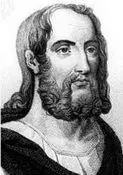
Caio Plínio Segundo

23ac – 79
Gaius Plinius Secundus, most famously known as Pliny the Elder, was a Roman author, naturalist, natural philosopher, and naval commander. He is celebrated for his encyclopedic work 'Natural History', one of the few works from antiquity that has survived to our time.
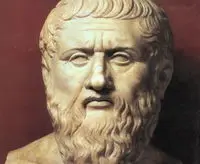
Platão

0427-05-07 – -347ac
Plato was an influential Greek philosopher of antiquity, a student of Socrates and master of Aristotle. He is considered one of the most important figures in the history of Western thought, founder of the Academy of Athens and author of works that address themes such as justice, beauty, equality, politics, cosmology and the philosophy of mind.
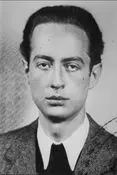
André Pieyre de Mandiargues

1909-03-14 – 1991-12-13
André Pieyre de Mandiargues was a French writer, poet, and essayist, associated with surrealism, although he maintained a critical distance from the movement. His work is characterized by an exploration of the erotic, the mysterious, the dreamlike, and the transgressive, using precise and evocative language. He was also an important art critic and a scholar of the work of Benjamin Péret.
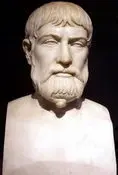
Píndaro
518ac – 438ac
Pindar was an ancient Greek lyric poet, widely celebrated in antiquity and revered by later generations of poets. He is considered one of the nine lyric poets of Ancient Greece. His poems are known for their intensity, elevated style, and themes of triumph and divinity.
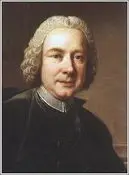
Pietro Metastasio
1698-01-03 – 1782-04-12
Pietro Metastasio (1698-1782) was an Italian poet and librettist, widely regarded as one of the greatest opera composers of his time. Born in Rome, his poetic skill made him famous throughout Europe. Metastasio wrote the librettos for many of the most popular operas of the 18th century, setting a standard for dramatic and lyrical form. His texts were known for their emotional depth, clarity, and elegance, influencing generations of composers and writers.
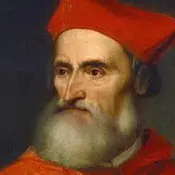
Pietro Bembo
1470-05-20 – 1547-01-18
Pietro Bembo (1470-1547) was an Italian cardinal, humanist, poet, and literary theorist. Born in Venice, he distinguished himself through his work in prose and poetry, being a central figure in the Italian Renaissance. Bembo was a proponent of Florentine as the standard Italian literary language and played a crucial role in codifying the grammar and style of the language. His influence extended throughout Europe, shaping the development of Renaissance literature.
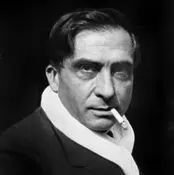
Pierre Reverdy
1889-09-13 – 1960-06-17
Pierre Reverdy was a French surrealist poet, considered one of the most important poets of the 20th century. His work is marked by the search for an innovative poetic language, with surprising imagery and a profound reflection on solitude, time, and the human condition. He is one of the precursors of the surrealist movement.

Pierre Mac Orlan
1882-02-26 – 1970-06-27
Pierre Mac Orlan, pseudonym of Pierre Dancergues, was a French writer and journalist. He is known for his adventure novels and his vivid descriptions of Parisian life and seascapes. His work often explores themes such as freedom, revolt, and marginality, with a style that blends realism and lyricism.
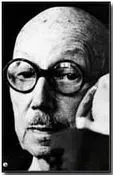
Pierre Jean Jouve
1887-10-11 – 1976-01-08
Pierre Jean Jouve was a French poet, novelist, and literary critic, born in Arras in 1887. His poetic work, often marked by the exploration of suffering, sensuality, and spirituality, is considered one of the most important in 20th-century French poetry.

Pierre Gringore
1475-01-01 – 1539-01-01
Pierre Gringore was a French poet, playwright, and troubadour, born in Thury-Harcourt around 1475. He is known for his political and social satires, often critical of the Church and the monarchy.
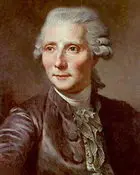
Pierre-Augustin Caron de Beaumarchais
1732-01-24 – 1799-05-18
Pierre-Augustin Caron de Beaumarchais was a French playwright, watchmaker, inventor, musician, diplomat, and journalist. He is best known for his plays, especially "The Barber of Seville" and "The Marriage of Figaro".
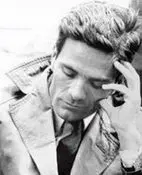
Pier Paolo Pasolini
1922-03-05 – 1975-11-02
Pier Paolo Pasolini was a multifaceted Italian intellectual, poet, filmmaker, writer, and thinker of the 20th century, known for his provocative and deeply critical work of contemporary society. His artistic and intellectual output spanned various areas, always with a sharp eye on the contradictions of modernity, marginality, religion, and politics. Pasolini stood out for his boldness in questioning established values and his ability to capture the complexity of the human condition.
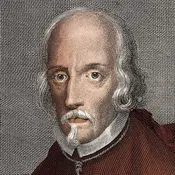
Calderón de la Barca

1600-01-17 – 1681-05-25
Pedro Calderón de la Barca was a Spanish playwright and writer of the Golden Age. Born in Madrid in 1600, he is considered one of the greatest names in Spanish theater, succeeding Lope de Vega in popularity. His work is known for its philosophical depth, poetic complexity, and exploration of themes such as free will, destiny, and honor.

Philippe Sollers

Paul Léautaud
1872-01-18 – 1956-02-22
Paul Léautaud was a French writer, literary critic, and journalist, known for his direct, ironic style and his detailed memoirs of Parisian literary life. His most famous work, "Le Journal littéraire," offers an intimate and often caustic portrait of his contemporaries and himself, revealing a complex personality and a keen sense of observation. Léautaud led a discreet life, but his passionate writing and relentless criticism made him a respected and sometimes controversial figure in the French cultural scene. He is remembered for his artistic integrity and his refusal to conform to literary and social conventions.
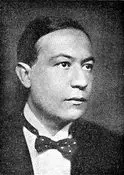
Paul Morand
1888-03-13 – 1976-07-23
Paul Morand was a French writer, diplomat, and journalist. Born in Paris in 1888, he was known for his elegant style and his depictions of high society and cosmopolitan life. His work often explored themes of modernity, travel, and the human condition.
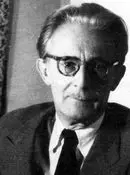
Paul Géraldy
1885-03-06 – 1983-03-10
Paul Géraldy, pseudonym of Paul-Alexis-Léopold Bouton, was a French poet, novelist, and playwright. Born in Paris, Géraldy achieved great popularity in the early 20th century with his lyrical verses and theatrical plays that explored themes of love, youth, and human relationships. His work is characterized by an elegant and accessible style that won over a vast audience. He is remembered for his sensitivity in approaching feelings and for his ability to capture the atmosphere of his time. His works frequently portrayed the dilemmas and joys of Parisian life, making him a spokesperson for a generation.
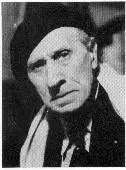
Paul Fort
1872-02-01 – 1960-04-20
Paul Fort was a French poet, known for his vast work and for having created the "Ballade française" (French ballad), a new poetic genre. His poetry is characterized by musicality, apparent simplicity, and themes that often explore love, nature, and the medieval and fantastic universe. He was one of the most prolific poets of his generation.
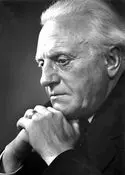
Pär Lagerkvist

1891-05-23 – 1974-07-11
Pär Lagerkvist was a renowned Swedish poet, playwright, and novelist, awarded the Nobel Prize in Literature in 1951. His work is characterized by profound existential reflection, exploring themes such as faith, doubt, morality, and the search for meaning in a constantly changing world, often with a lyrical and concise style.
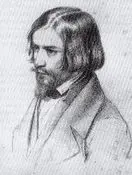
Otto Ludwig

1813-02-11 – 1865-02-25
Otto Ludwig was a German playwright and novelist, known for his psychological realism and for the way he portrayed small-town life and the struggles of his characters. He stood out in 19th-century German literature, with works that explored themes such as the conflict between duty and desire, and the search for identity.
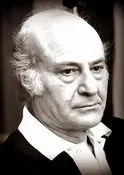
Odysséas Elýtis
1911-11-02 – 1996-03-18
Odysséas Elýtis was a Greek poet, awarded the Nobel Prize in Literature in 1979. His work is marked by a strong connection to Greek landscape and culture, exploring themes such as the sea, light, love, and mortality with a lyrical and visually rich language. Elýtis is considered one of the most important modern Greek poets, with poetry that transcends geographical and temporal boundaries.
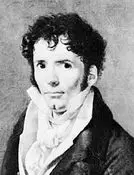
Nicolas Chamfort
1740-04-06 – 1794-04-13
Nicolas Chamfort was an 18th-century French writer and essayist, known for his witty and cynical aphorisms and thoughts. His works reflect a pessimistic view of human nature and society, criticizing the hypocrisy and social conventions of his time. He is considered a precursor to existentialist thought.
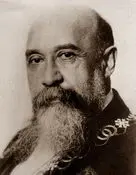
Nicolae Iorga

1871-01-17 – 1940-11-27
Nicolae Iorga was a Romanian historian, writer, and politician. He is considered one of the most influential Romanian historians of the 20th century, known for his extensive work on Romanian history and the history of Eastern Europe. In addition to his academic career, Iorga played an active role in Romania's political life, serving as Prime Minister.
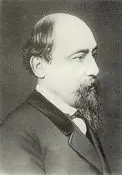
Nikolai Alekseevich Nekrasov

1821-11-28 – 1878-01-08
Nikolai Alekseevich Nekrasov was a Russian poet, writer, and editor, widely regarded as the greatest Russian poet of the 19th century, after Pushkin. His work is marked by strong lyricism, social themes, and a deep sense of patriotism, portraying the lives of the Russian people with realism and compassion.