

Awards
Golden Wreath of Struga Poetry
Golden Wreath of Struga Poetry
Description
Origins and History of the Festival
The Struga Poetry Evenings is a world-renowned literary event held annually in the city of Struga, North Macedonia, since 1961. The main award, the "Golden Wreath of Struga Poetry" (Zlaten Venec na Strugashki Vecheri), is presented to internationally acclaimed poets for their poetic work and contribution to world literature. The festival and the award were founded with the aim of promoting poetry, intercultural dialogue, and peace through art. Over the decades, the event has attracted some of the most important poets and intellectuals in the world, becoming a crucial meeting point for the global poetic community.
Selection Criteria and Process
The "Golden Wreath" award is considered one of the most coveted honors in the field of poetry. The selection of laureates is made by a prestigious international committee composed of literary critics, academics, and renowned poets. The selection criteria focus on the intrinsic literary quality of the poet's work, their influence and impact on the contemporary literary landscape, and their ability to transcend cultural and linguistic boundaries. There are no specific categories for the "Golden Wreath"; the award is given to a single poet each year, recognizing the entirety of their poetic career.
Award Ceremony and Festival Events
The award ceremony takes place during the Struga Festival, which is usually held at the end of August. The festival is not limited to the presentation of the "Golden Wreath" but includes a series of events, such as poetry readings, round tables, debates, book presentations, and concerts, celebrating the diversity of contemporary poetry. The event has a strong international component, with the participation of poets from dozens of countries, fostering the exchange of experiences and mutual understanding.
Laureates and Legacy
Throughout its history, the "Golden Wreath" has been awarded to literary figures of enormous caliber, such as Pablo Neruda, Seamus Heaney, Wole Soyinka, Mahmoud Darwish, Bei Dao, Adonis, Ko Un, and many others. The list of laureates reflects the festival's commitment to recognizing poetic excellence across diverse literary traditions and geographies. The award's significance lies not only in the prestige it confers upon its recipients but also in the role the festival plays in promoting poetry as a unifying force and a universal form of human expression. The city of Struga, with its natural beauty on the shores of Lake Ohrid, provides an inspiring setting for this major cultural event.
The name "Golden Wreath" evokes the laurel wreath, a classic symbol of victory and honor in antiquity, adapted to celebrate the art of poetry.
Cultural and Regional Impact
The festival also has a significant impact on promoting Macedonian and Balkan literature on the international stage, serving as a platform for emerging and established poets from the region.
Winners

Ivan Štrpka


Jean-Pierre
Jean-Pierre is a common name that can belong to several personalities, including literary figures. Without additional information specifying the individual, it is difficult to provide an accurate biographical summary. French literature has many authors with the first name Jean-Pierre, each with their unique contributions. For a more focused search, it would be necessary to identify the surname or the specific context of the author Jean-Pierre in question, thus allowing for the presentation of details about his work and literary career.

Vlada Uroševic


Shuntaro Tanikawa


Carol Ann Duffy


Amir Or


Ana Blandiana

Ana Blandiana is a Romanian poet, essayist, and political activist, recognized for her lyrical and engaged poetry, which frequently addresses themes such as freedom, memory, and the human condition under authoritarian regimes. Her work is a reflection of her experiences and her commitment to civil rights and democracy.

Adam Zagajewski

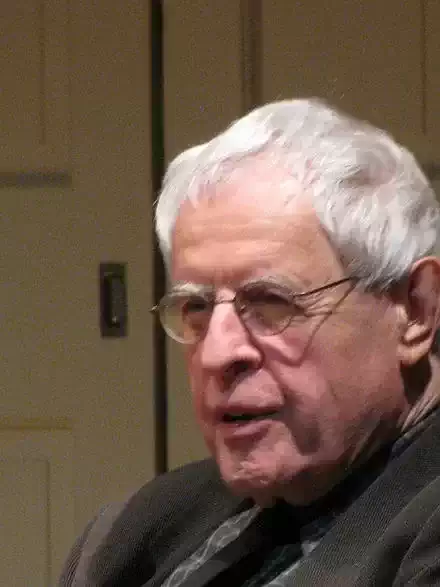
Charles Simic

Charles Simic was a Serbian-American poet, essayist, and translator, known for his poetry that often explores the surreal, the absurd, and the dark, often with a touch of black humor. His work is marked by powerful and unexpected images, drawn from both everyday life and his experiences with war and exile. He is celebrated for his ability to transform the mundane into something mysterious and for his unmistakable poetic voice, which manages to be both intimate and universal. Simic was an influential figure in American poetry, known for his clarity and insight.
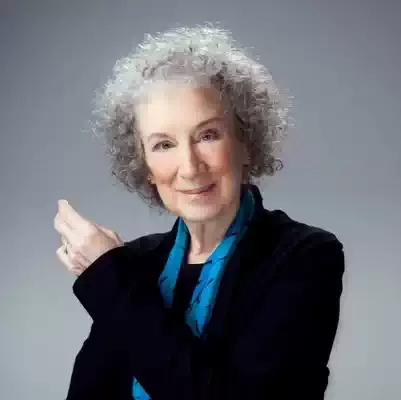
Margaret Atwood

Margaret Atwood is an acclaimed Canadian novelist, poet, literary critic, and activist. She is known for her dystopian novels, speculative fiction, and works that explore themes of gender, power, and the environment.

Bei Dao

Bei Dao is one of China's most important contemporary poets, a founding member of the "Misty Poetry" movement. His work is known for its somber lyricism, enigmatic imagery, and engagement with the complexities of life in post-revolutionary China. He is an influential voice in modern Chinese literature.

Ko Un

Ko Un is a prominent South Korean poet, known for his extensive body of work and his deep connection with nature and spirituality. His poetry frequently explores themes such as the human condition, the beauty of everyday life, and the search for meaning in a constantly changing world. Throughout his career, Ko Un has stood out for his lyrical voice and his ability to evoke vivid imagery and intense emotions in his readers. He is considered one of the most important living poets in South Korea and a cultural ambassador for his country.

José Emilio Pacheco

Mexican poet, essayist, narrator, translator, and academic. Known for his introspective lyricism and his sharp reflection on time, memory, and identity. His work is characterized by deep melancholy, precise language, and a constant interconnection between the personal and the social. He reflected on history, popular culture, and the human condition in the modern world. He stood out for his ability to move between high culture and daily life, integrating diverse elements into a unique poetic worldview.

Mongane Wally Serote

Mongane Wally Serote is a prominent South African poet, anti-apartheid activist, and diplomat. His work is deeply marked by the experience of apartheid, addressing themes such as oppression, resistance, and the pursuit of freedom. He is known for his lyrical and engaged style, which has earned him national and international recognition. Serote also played a significant role in the cultural politics of post-apartheid South Africa, contributing to the formation of national identity through art and literature. His influence extends beyond poetry, encompassing his work for social justice and human rights.

Mateja Matevski

Lyubomir Levchev

Lyubomir Levchev was a prominent Bulgarian poet and writer, known for his work that frequently explored existential, social, and political themes. His poems are marked by intense lyricism, vivid imagination, and profound reflection on the human condition and the spirit of his time. Throughout his career, Levchev demonstrated a commitment to art as a form of intervention and expression, being an influential voice in Bulgarian and international literature. His work is recognized for its originality and its ability to touch the reader through rich and evocative language.

Tomaž Šalamun


Fatos Arapi

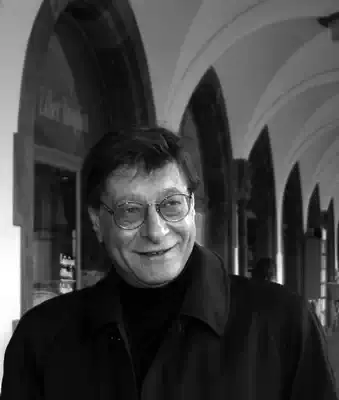
Mahmoud Darwish

Mahmoud Darwish was a widely celebrated Palestinian poet, considered the national poet of Palestine. His poetic work, deeply rooted in the experience of exile, land, and Palestinian identity, achieved international recognition. Darwish explored universal themes such as love, loss, memory, and the pursuit of freedom, using a rich and evocative language that captivated readers worldwide. His poetry became a powerful voice for the Palestinian cause, but transcended the political context to speak of the universal human condition.

Nancy Morejón

Nancy Morejón is a prominent Cuban poet, essayist, and translator, recognized for her powerful voice and exploration of themes such as identity, race, gender, and history. Her work is marked by a deep reflection on the experiences of the African diaspora and the social and political reality of Cuba, integrating lyrical and denunciation elements.

William S. Merwin

William S. Merwin was a prolific American poet, translator, and environmental activist, recipient of the Pulitzer Prize for Poetry. His work is marked by the exploration of themes such as memory, nature, spirituality, and language, often with an introspective and innovative style.
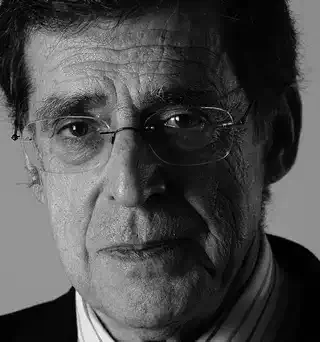
Vasco Graça Moura

Vasco Graça Moura was a multifaceted figure of Portuguese culture, excelling as a poet, essayist, literary critic, and translator. His poetic work is recognized for its erudition, rigorous formal construction, and exploration of complex themes, frequently interlinking history, mythology, and contemporaneity. With a dense and evocative language, Graça Moura addressed the human condition, memory, identity, and the individual's relationship with time and space. His vast culture and profound intelligence lent his writing a unique dimension, establishing him as one of the great names in Portuguese literature of the second half of the 20th century and early 21st century.
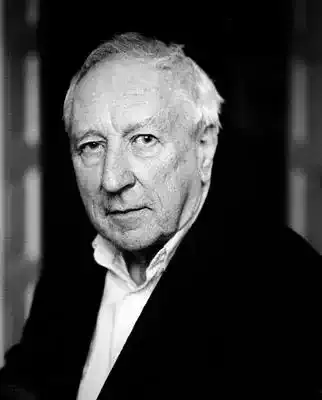
Tomas Tranströmer

Tomas Tranströmer was a Swedish poet and psychologist, widely recognized for his lyrical and introspective work that explores the relationship between nature, the self, and the world. His poetry is characterized by clarity, imagination, and the ability to evoke deep moods through vivid imagery and a contemplative rhythm. He was awarded the Nobel Prize in Literature in 2011, distinguished for his unique voice in contemporary poetry.

Slavko Mihalic

Seamus Heaney

Seamus Heaney was an Irish poet, writer, and translator, awarded the Nobel Prize in Literature in 1995. His poetry is known for its deep connection to the Irish rural landscape, its reflections on identity, memory, and violence, and its use of rich, sensory language. Heaney explored the human experience through imagery drawn from rural life, history, and mythology, creating a body of work that resonates with universal themes of belonging, loss, and transcendence. His poetic voice is simultaneously personal and collective, offering a unique perspective on the human condition.

Edoardo Sanguineti

Edoardo Sanguineti was an Italian poet, literary critic, and academic, a prominent figure in experimental and neo-avant-garde Italian poetry. His work is marked by a profound interrogation of language, reality, and the human condition, exploring the tensions between the individual and society, the personal and the political. With an innovative and challenging style, Sanguineti left a significant legacy in contemporary poetry.

Yves Bonnefoy

Liu Banjiu
Liu Banjiu was a distinguished Chinese intellectual and writer. His work spanned various literary genres, contributing significantly to his country's literature. He is remembered for his refined prose and the depth of his themes. Throughout his career, Liu Banjiu explored the complexities of the human condition and Chinese society. His narratives often featured well-developed characters and engaging plots, which secured him a prominent place in the literary scene.

Adonis

Makoto Ooka
Makoto Ooka was a Japanese poet, literary critic, and translator. He is considered an important figure in 20th-century Japanese poetry, known for his innovative style and his profound influence on contemporary literature.
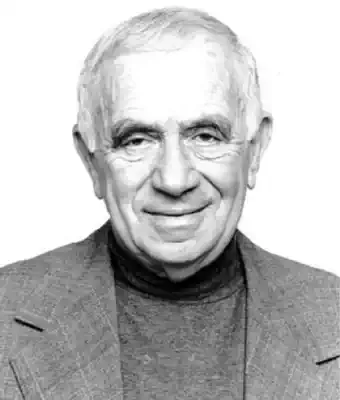
Yehuda Amichai
Yehuda Amichai was one of the most important Hebrew-language poets of the 20th century. His work is marked by a deep reflection on the human condition, exploring themes such as love, death, memory, and religion with a language that is both accessible and rich in symbolism. Amichai fused the sacred and the profane, the personal and the universal, creating poetry that resonates with modern experience and the search for meaning in a constantly changing world.
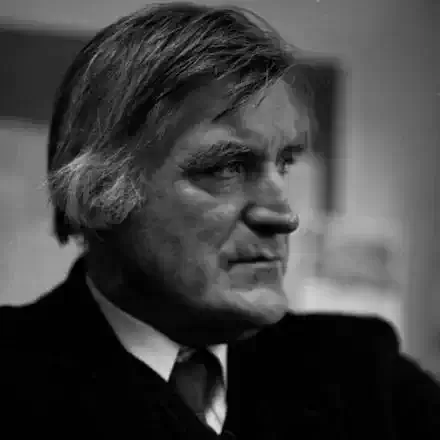
Ted Hughes
Ted Hughes was a prominent English poet, translator, and children's writer, celebrated for his powerful and visceral depictions of the natural world and its raw, primal forces. His poetry is characterized by its intensity, rugged language, and exploration of myth, the animal kingdom, and the darker aspects of human nature. Hughes's work often draws upon mythologies and folk traditions, imbuing his verse with a profound sense of elemental power and ancient wisdom.

Gennadiy Aygi


Ferenc Juhász

Ferenc Juhász was a renowned Hungarian poet, considered one of the most important voices of 20th-century Hungarian poetry. His work is marked by vivid imagination, deep symbolism, and an intrinsic connection with nature and mythology. He explored themes such as life, death, love, and the human condition with a unique intensity.
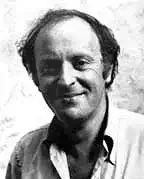
Joseph Brodsky
Joseph Brodsky was a Russian-American poet and essayist, Nobel laureate in Literature. His work is marked by erudition, formal complexity, and profound reflection on themes such as exile, time, memory, and the human condition. His poetry, often dense and challenging, engages with Russian and Western literary tradition, exploring the ambiguities of language and the search for meaning in a constantly changing world. His life, marked by exile and opposition to the Soviet regime, lends an autobiographical and resistant dimension to his literary production.

Justo Jorge Padrón


Thomas W. Shapcott


Desanka Maksimovic
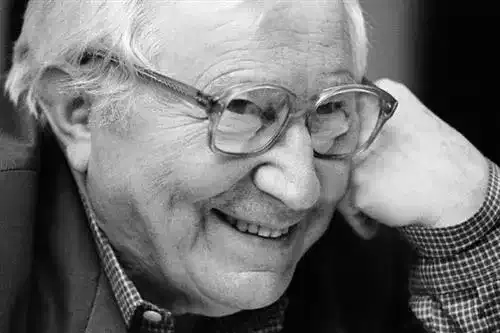
Tadeusz Rózewicz
Tadeusz Rózewicz was a prominent Polish poet, playwright, and essayist, whose work profoundly marked 20th-century literature. After experiencing the horrors of World War II, his poetry became a testament to the fragility of the human condition, questioning language itself and the possibility of expressing the ineffable. His writing is characterized by apparent simplicity, an ironic tone, and a deep reflection on morality and existence.
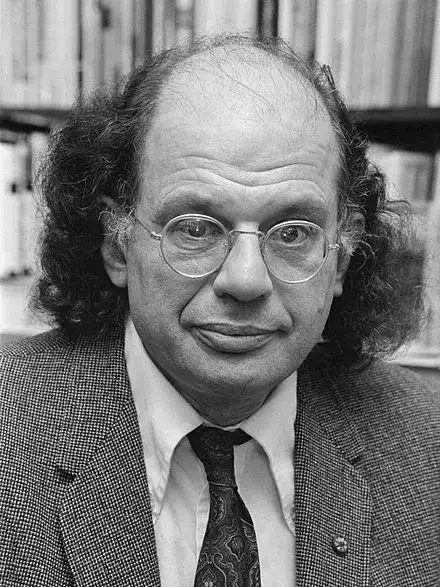
Allen Ginsberg
Allen Ginsberg was a pioneering American poet and a central figure of the Beat Generation. His work is characterized by its raw, confessional style, prophetic voice, and exploration of themes such as spirituality, sexuality, political dissent, and the critique of American materialism. He was a prominent activist, advocating for civil rights, environmental protection, and nuclear disarmament. His most famous poem, "Howl," became a symbol of countercultural rebellion and freedom of expression.
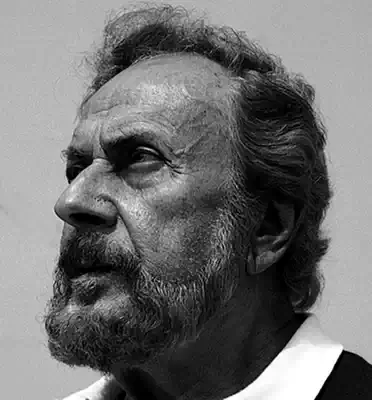
Yannis Ritsos

Yannis Ritsos was one of the most important Greek poets of the 20th century, known for his vast body of work and his political and social engagement. His poetry, deeply rooted in the Greek experience, addresses universal themes such as love, death, injustice, and human resistance. Considered one of the great names in modern poetry, Ritsos explored various poetic forms, from free verse to more elaborate structures, always with accessible language but loaded with symbolism and emotion.

Andrey Voznesensky

Sachchidananda Hirananda Vatsyayan Agyey

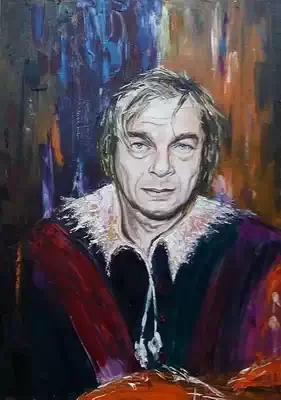
Nichita Stănescu

Blaže Koneski

Hans Magnus Enzensberger

Hans Magnus Enzensberger was a prominent German poet, writer, editor, and political activist. His work is known for its intelligence, irony, and social and political engagement. He addressed a wide range of themes, from criticism of consumer society to the analysis of the complexities of international politics. Throughout his career, Enzensberger explored various literary genres, including poetry, essays, fiction, and documentaries. His writing frequently challenged conventions and provoked critical thinking. He was an influential figure in German and international literature, receiving numerous awards for his literary and intellectual contributions.

Miroslav Krleža
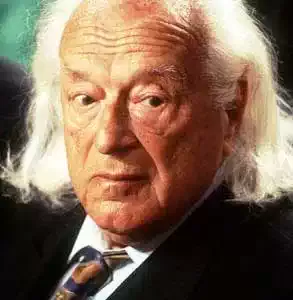
Rafael Alberti
Rafael Alberti was an internationally renowned Spanish poet, a central figure of the Generation of '27. His poetic work spans a wide range of themes and styles, from neopopularism and surrealism to social and exile poetry. His life, marked by a passion for art, political activism, and a long period of exile, is reflected in the richness and diversity of his literary output.
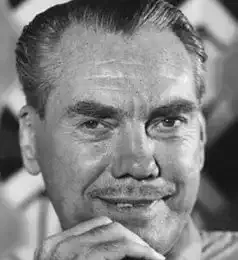
Artur Lundkvist
Artur Lundkvist was an influential Swedish writer, a member of the Swedish Academy. His work spans poetry, prose, and literary criticism, with a strong interest in themes of modernity, existentialism, and the human condition. Lundkvist was a proponent of new forms of artistic expression and an explorer of complex social and psychological landscapes.

Eugène Guillevic

Eugène Guillevic was a French poet, known for his work exploring the relationship between humanity and the natural world, often with a contemplative and philosophical tone. His poetry is marked by formal simplicity and depth of thought, addressing themes such as the earth, time, and existence with clear and evocative language.
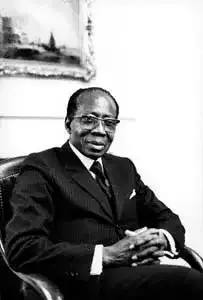
Léopold Sédar Senghor

Léopold Sédar Senghor was a Senegalese poet, writer, and politician, known as one of the greatest African intellectuals of the 20th century. He was one of the founders of the Négritude movement, which celebrated African cultural identity and black heritage. His poetic work is marked by a profound musicality, influences from African oral tradition and French poetry, exploring themes such as the homeland, African identity, love, and spirituality. Senghor played a crucial role in Senegal's independence and became its first president, leading the country for more than two decades. As a statesman, he promoted cultural cooperation between Africa and Europe and advocated for a vision of universal civilization. His vast literary work and political legacy make him an unavoidable figure in the history of Africa and world literature.

Fazil Hüsnü Daglarca

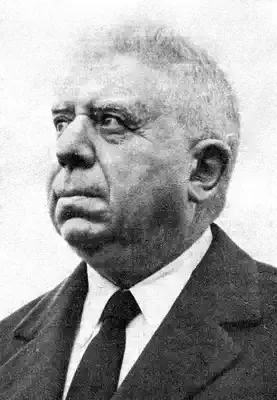
Eugenio Montale
Eugenio Montale was one of the most important Italian poets of the 20th century, winner of the Nobel Prize in Literature. His work is marked by austere lyricism, the exploration of the Ligurian landscape, and reflection on the existential condition of modern man, incommunicability, and the absence of meaning in a world in crisis. His poetry is known for its density, its use of concrete imagery, and its search for a truth that manifests itself fragmentarily.
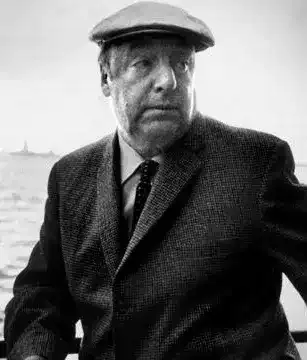
Pablo Neruda

Pablo Neruda was a Chilean poet, diplomat, and politician. He is widely regarded as one of the most influential poets of the 20th century, celebrated for his lyrical and evocative verse, which often explored themes of love, nature, politics, and everyday life. Neruda's prolific output and diverse thematic concerns earned him international acclaim, culminating in the Nobel Prize in Literature in 1971. His work is characterized by its passionate imagery, sensuous language, and profound connection to the landscapes and people of Latin America.

W. H. Auden
W. H. Auden was a British poet, naturalized American, widely considered one of the greatest poets of the 20th century. His work is characterized by thematic and stylistic diversity, addressing issues from social and political matters to intimate reflections on love, death, and faith. Auden stood out for his sharp intellect, mastery of language, and ability to move between the colloquial and the elevated.

Miodrag Pavlovic

Mak Dizdar


László Nagy

Bulat Okudzhava

Robert Rozhdestvensky
Robert Rozhdestvensky was one of the most popular and influential poets in the Soviet Union. Known for his lyrical, patriotic, and often socially charged poems, his work resonated with millions of readers, especially young people. He addressed themes such as love, war, youth, and the future with a direct and accessible style. Rozhdestvensky was also a poet of events, writing poems for special occasions, ceremonies, and films, which solidified his presence in Soviet popular culture. His poetry is remembered for its energy, optimism, and ability to capture the spirit of its time.