

Awards
Premio Machado de Assis
Machado de Assis
Description
The highest recognition from the Brazilian Academy of Letters
The Machado de Assis Prize is a distinction of great relevance in the Brazilian literary scene, awarded annually by the Brazilian Academy of Letters (ABL) since 1941. Its name is a tribute to the greatest figure in Brazilian literature, Joaquim Maria Machado de Assis, whose works shaped the country's prose and poetry and influenced generations of writers.
Evolution and characteristics of the prize
Originally, the prize was awarded to specific works published in the previous year, but from 1958 onwards, it began to honor the complete works of a living author, thus consecrating the career and legacy of writers who have significantly contributed to literature in Portuguese. This change in focus gave the prize an even more distinctive character, making it a seal of lifetime recognition.
Selection criteria
The criteria for choosing the laureate are rigorous and based on literary excellence, originality, thematic depth, stylistic quality, and the cultural relevance of the author's work. The final decision is made by the members of the ABL, who form a judging committee composed of renowned academics. This choice reflects not only the individual merit of the writer but also their contribution to the development and diversity of Brazilian literature.
The Machado de Assis Prize confers lifetime recognition for the complete works of a living author.
Great laureates
Throughout its history, the Machado de Assis Prize has been awarded to some of the greatest names in Portuguese-language literature, including:
- Clarice Lispector
- Cecília Meireles
- Carlos Drummond de Andrade
- João Guimarães Rosa
- Jorge Amado
- Lygia Fagundes Telles
- Ferreira Gullar
- Dalton Trevisan
- Raduan Nassar
The list of honorees is a true pantheon of Brazilian literature, attesting to the prize's importance as a thermometer of literary quality and relevance.
Cultural impact and relevance
In addition to the prestige inherent in its award by the ABL, the prize also contributes to the dissemination of the awarded authors' works, both in Brazil and abroad. The mention of the Machado de Assis Prize in reviews, academic studies, and book promotions reinforces the importance of the author and their literary production.
It is important to note that, although the prize's name is a tribute to Machado de Assis, the ABL awards other distinctions, such as the ABL Prize for Literature, which recognizes specific works in various categories. The Machado de Assis Prize, however, maintains its status as the highest honor for the complete works of an author.
Legacy and significance
In summary, the Machado de Assis Prize transcends mere decoration. It represents a profound recognition by the Brazilian Academy of Letters to those who, through their words, have enriched the cultural and literary heritage of Brazil and the Lusophone world, perpetuating the memory and legacy of one of the greatest writers in the Portuguese language.
Winners

Rubens Ricupero

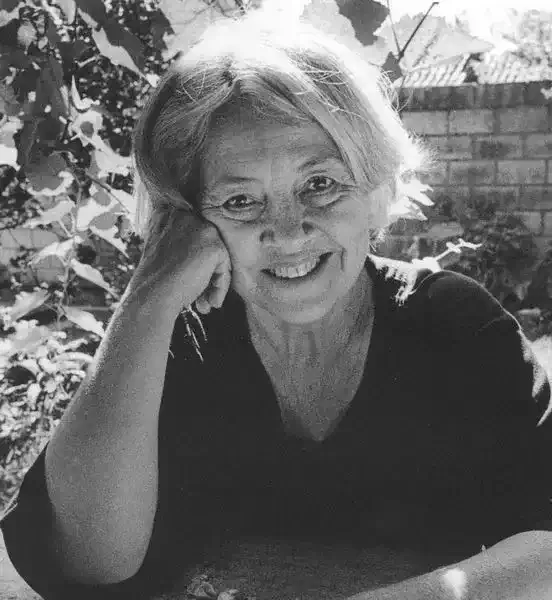
Adélia Prado
Adélia Prado is a contemporary Brazilian poet, known for her poetry that intertwines the everyday with the sacred, the profane with the spiritual, and the trivial with the transcendent. Her work, marked by direct, colloquial, and sometimes unexpectedly lyrical language, reflects a profound contemplation of the female condition, faith, the body, death, and the search for meaning in a reality often devoid of transcendence. Prado offers a unique vision of urban life and human relationships, where poetry emerges from the simplest gestures and most common moments, revealing the beauty and mystery hidden in everyday experience.
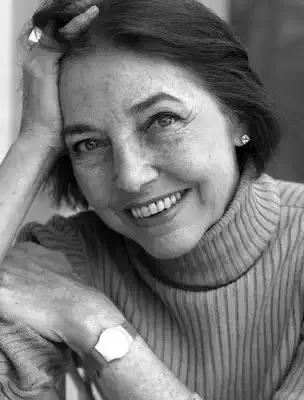
Marina Colasanti
Marina Colasanti is a renowned Brazilian visual artist and writer, born in Italy. Her poetic work is marked by a unique delicacy and a deep exploration of the feminine universe, dreams, and imagination. With accessible language, yet loaded with symbolism, she moves between the real and the fantastic, inviting the reader to reflect on the complexities of existence and the nuances of human relationships. Her production encompasses poetry, short stories, and illustrated books, consolidating her as a singular voice in contemporary literature.

Roberto DaMatta

Ruy Castro

João José Reis

Ignácio de Loyola Brandão

Rubem Fonseca

Vamireh Chacon

Silviano Santiago
Silviano Santiago is a renowned Brazilian writer, essayist, and literary critic. His work is marked by a deep reflection on cultural identity, language, and power relations in contemporary society. With a consolidated career, he moves between fiction and non-fiction, always with a sharp eye for the complexities of Brazil and Latin America. He is considered one of the most important intellectuals of his generation, influencing debates on literature and critical thinking. His writing, often challenging, invites the reader to immerse themselves in complex themes, exploring the nuances of the human experience and cultural production.
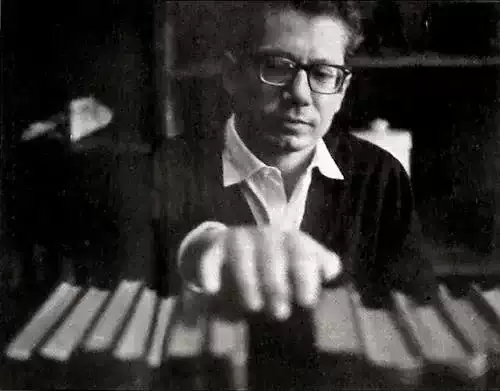
Dalton Trevisan
Dalton Trevisan is a Brazilian writer known for his short story work and his raw, direct writing. His narrative frequently explores urban marginality, human misery, and the complexities of interpersonal relationships, using concise language and a cutting style that earned him the nickname "Vampire of Curitiba." His work is marked by keen observation of everyday life and the ability to reveal the grotesque and tragic in the simplicity of life.

Carlos Guilherme Mota

Benedito Nunes

Salim Miguel

Autran Dourado

Roberto Cavalcanti de Albuquerque

César Leal
César Leal was a Brazilian intellectual, known for his work as a professor, critic, and writer. His work was characterized by erudition and the depth of his analyses of literature and culture. Leal dedicated himself to the in-depth study of various authors and literary movements, contributing to the dissemination of knowledge and the formation of critical thinking.
Ferreira Gullar
José Ribamar Ferreira de Araújo da Costa, known as Ferreira Gullar, was one of the most influential Brazilian poets and intellectuals. His work spans various phases, from concrete poetry to more existential and reflective poetry, always marked by a deep engagement with social and human reality. Gullar also stood out as a columnist, art critic, and essayist, leaving a multifaceted legacy in Brazilian culture.

Francisco de Assis Brasil

Antonio Carlos Villaça

Wilson Martins

Ana Maria Machado

Antônio Torres
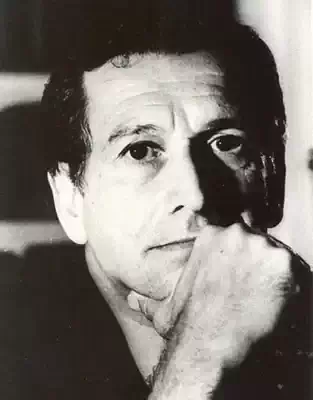
Fernando Sabino
Fernando Sabino was a prominent Brazilian writer and journalist, known for his work that spans chronicles, novels, and fiction. His writing is marked by keen observation of daily life, subtle humor, and profound humanity, addressing themes such as human relationships, the passage of time, and childhood memories.

Joel Silveira

José J. Veiga
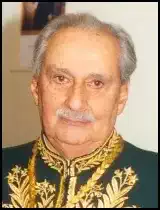
Carlos Heitor Cony

Leodegário A. de Azevedo Filho

Antônio Olinto
Antônio Olinto was a Brazilian writer, professor, and diplomat, known for his work that bridges fiction and non-fiction, often addressing Brazilian history, culture, and identity. His writing is marked by remarkable erudition, an engaging style, and a profound reflection on the complexities of society and the human condition, with a special focus on the relationship between Brazil and the world. He was also a cultural ambassador, contributing to the dissemination of Brazilian literature and culture.

Antonio Candido

Fausto Cunha

Maria Clara Machado

Sábato Magaldi
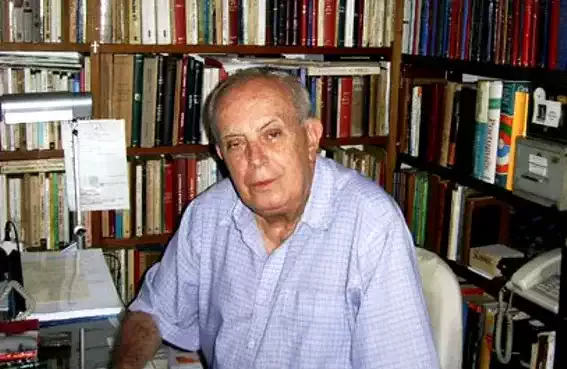
Gilberto Mendonça Teles
Gilberto Mendonça Teles is a Brazilian poet, literary critic, and professor, whose work is notable for its intelligence, lyricism, and profound reflection on language and the human condition. His poetry moves between the personal and the universal, with formal rigor and expressive clarity. With a vast academic and literary career, he is an unavoidable figure in contemporary Brazilian literature, influencing generations of writers and scholars.

Dante Milano
Dante Milano was a Brazilian poet, literary critic, and professor, known for his concise poetry and profound existential reflection. His work is marked by the exploration of themes such as time, memory, and the ephemerality of life, with a refined language and an introspective style. Milano also stood out as an important scholar of literature, especially Brazilian modernist poetry, leaving a significant legacy both as a creator and as a critic.

Nilo Pereira
Péricles Eugênio da Silva Ramos
Péricles Eugênio da Silva Ramos was a Brazilian poet, essayist, literary critic, and translator, a prominent figure of the Generation of 45. His poetic work is marked by a reflective and social tone, exploring themes such as national identity, Brazilian history, and the human condition. His writing is known for its erudition, formal rigor, and a restrained yet profound lyricism. In addition to his vast poetic production, Silva Ramos dedicated himself to literary criticism and translation, contributing significantly to the dissemination of Portuguese-language literature and the study of classical and modern authors. His cultural involvement was diverse and influential.

Thales de Azevedo
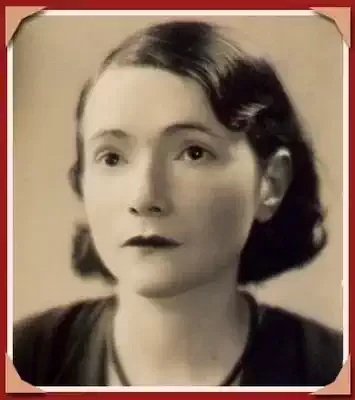
Henriqueta Lisboa
Henrieta Lisboa was a notable Portuguese poet, translator, and essayist, based in Brazil. Her poetic work, deeply lyrical and reflective, explores universal themes such as nature, time, memory, and spirituality with a refined language and a unique sensibility. She is considered one of the most important voices in modern Portuguese-language poetry.

Paulo Rónai

Franklin de Oliveira

Aires da Mata Machado Filho
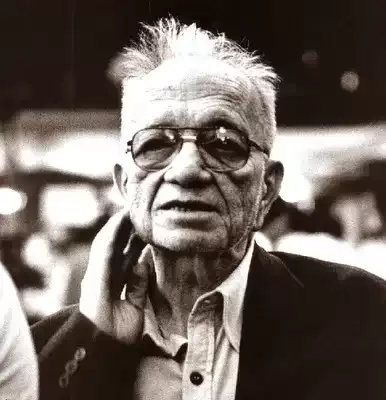
Mário Quintana
Mário Quintana was a Brazilian poet, journalist, and translator, known for his lyrical, accessible, and tender poetry. His work, often marked by apparent simplicity and a melancholic and ironic gaze at everyday life, addresses themes such as time, memory, childhood, and the small joys and sorrows of life. His poetry invites reflection on the human condition with a gentle and accessible tone.
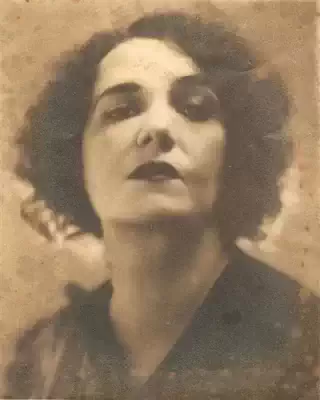
Gilka Machado
Gilka Machado was a Brazilian poet, recognized for her lyrical and sensual work, which explored themes such as love, passion, the female body, and spirituality with a rich and imagistic language. Her poetry, often considered transgressive for the time, addressed sensuality explicitly and innovatively, breaking with literary and social conventions. She was the first woman to join the Brazilian Academy of Letters, a milestone for Brazilian female writers. Her work continues to be valued for its expressive power and its contribution to female poetry in Brazil.

Carolina Nabuco
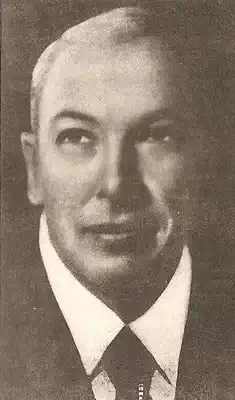
Raul Bopp
Raul Bopp was a Brazilian poet, a central figure of Brazilian Modernism, especially known for his work "Cobra Norato," a landmark in avant-garde poetry. His poetry is characterized by linguistic experimentation, the fusion of the erudite with the popular, and the exploration of Amazonian themes. Bopp was one of the exponents of the second modernist generation, contributing an innovative and profoundly Brazilian vision to national literature.
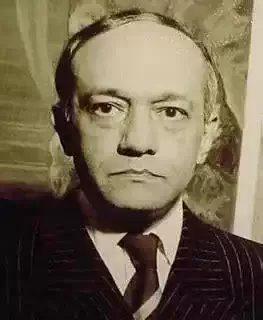
Mário da Silva Brito

Mário da Silva Brito was a Portuguese poet and writer. His work often explored themes of Portuguese identity, history, and the human condition. He is recognized for his contributions to Portuguese literature in the 20th century.

Hermes Lima

Waldemar Cavalcanti

Andrade Muricy

Dalcídio Jurandir

Murillo Araújo
Murillo Araújo was a Brazilian poet whose work is part of contemporary poetry. He explored language in an innovative way, addressing themes such as the city, the ephemerality of life, and the complexities of human relationships. His poetry is marked by lyrical sensitivity and a constant search for new forms of expression.

Octávio de Faria

Edison Carneiro

Oscar Mendes

Adelino Magalhães
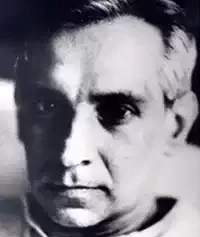
Lúcio Cardoso
Lúcio Cardoso was a Brazilian writer whose work deeply explored the complexity of the human soul, addressing themes such as incommunicability, existential boredom, and the anxieties of the modern condition. His writing stood out for its psychological introspection and its melancholic atmosphere, often set in high society or intellectual circles. He excelled in both prose and theater, leaving a legacy of works that continue to provoke reflection on human nature and interpersonal relationships.
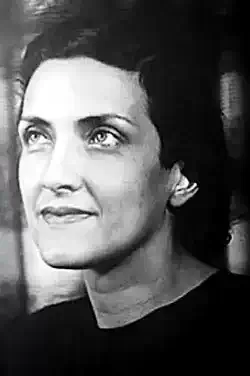
Cecília Meireles
Cecília Meireles was one of the most important poetesses in the Portuguese language, with a work marked by musicality, lyrical delicacy, and the exploration of themes such as time, ephemerality, childhood, and the search for transcendence. Her poetry, influenced by symbolism and modernism, is characterized by its apparent simplicity, but with deep philosophical and existential complexity. With a vast literary production that includes poetry, short stories, chronicles, and children's literature, Cecília Meireles left an unparalleled poetic legacy, celebrating the beauty of the world and the fragility of existence with a crystalline and imaginative language.

Joracy Camargo

Gilberto Freyre

Antenor Nascentes

João Guimarães Rosa

José Maria de Albuquerque Belo

Rachel de Queiroz

Tasso da Silveira
Tasso da Silveira was a Brazilian poet, essayist, literary critic, and professor, a prominent figure in Portuguese-language literature. His poetic work is marked by a deep reflection on existence, spirituality, and the human condition, often imbued with a mystical and transcendental tone. As an essayist and critic, he dedicated himself to exploring the intersections between literature, philosophy, and religion. Recognized for his erudition and the originality of his thought, Tasso da Silveira left a significant intellectual legacy, influencing generations of readers and scholars through his ability to link artistic expression to profound existential questions.

Luís da Câmara Cascudo
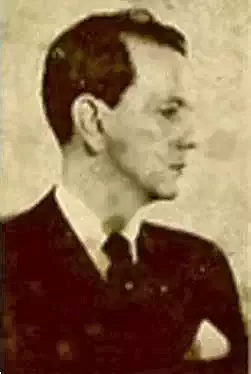
Onestaldo de Pennafort
Onestaldo de Pennafort, literary pseudonym of Eduardo de Almeida Catroga, was a Portuguese poet and writer of the 20th century. His poetic work, marked by a strong lyrical and existential current, explores themes such as solitude, the search for meaning, and the complexity of human relationships, with a refined and musical language. Although his figure and work are less known to the general public, Pennafort left a poetic record of value, characterized by introspection and sensitivity, which dialogues with the concerns of modernity and the human condition.

Dinah Silveira de Queiroz
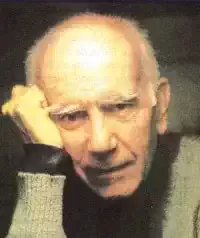
Érico Veríssimo
Érico Veríssimo was one of the most important Brazilian novelists, known for his vast work that portrays Gaucho society and national identity. With an engaging narrative and memorable characters, he addressed themes such as urban life, family relationships, social conflicts, and the search for a place in the world. His accessible yet profound writing won a broad audience, making him one of Brazil's most widely read and translated authors. Érico Veríssimo left a significant literary legacy, with works that remain relevant and continue to inspire readers and writers through his ability to capture the essence of the human experience. His style is marked by narrative fluidity, psychological realism, and a humanistic vision, which established him as a master of Brazilian prose. Through his stories, Érico Veríssimo offered a rich and multifaceted panorama of Brazil, especially of Rio Grande do Sul.

Antônio da Silva Melo

Augusto Magne

Eugênio Gomes

Augusto Meyer
Augusto Meyer was a prominent Brazilian poet, essayist, and professor, a central figure in the literature of Rio Grande do Sul and of national relevance. His poetic work is marked by reflection on gaucho identity, the land, history, and the human condition, combined with profound lyricism and an elaborate, musical language. Meyer also stood out as an intellectual, literary critic, and translator, contributing significantly to cultural debate and the education of readers.

Tobias do Rego Monteiro

Osório Dutra
Osório Dutra was a poet who marked literature with his poetic prose and the exploration of deep themes such as identity, land, and memory. His work is recognized for the strength of its imagery and the musicality of its verses, which create a unique and evocative universe. He addressed the complexity of the human experience with a language that reflects sensitivity and technical mastery, leaving a significant legacy.

Sousa da Silveira
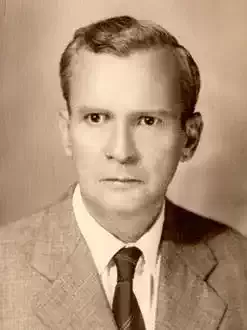
Afonso Schmidt
Afonso Schmidt was a Brazilian poet and writer, with a strong connection to regionalism and the theme of the northeastern sertão. His work portrays the life, customs, and hardships of the sertão dweller, with a language often marked by the region's accent and orality. Schmidt is recognized for his contribution to Brazilian regionalist literature.
