

Authors List
Browse our collection of authors
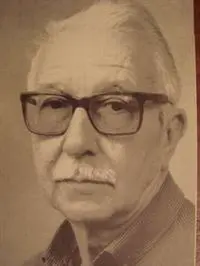
Papiniano Carlos

1918-11-09 – 2012-12-05
Papiniano Carlos was a Portuguese poet, playwright, novelist, and literary critic, whose work is part of the context of modernism and postmodernism. With a writing style marked by formal experimentation, irony, and a profound reflection on language and the human condition, Carlos explored themes such as memory, time, identity, and the nature of art. He is recognized for his contribution to the renewal of Portuguese poetry, with a challenging and innovative language.
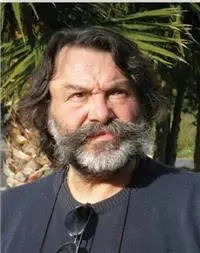
José Manuel Capêlo

1946-01-29 – 2010-01-01
José Manuel Capêlo was a Portuguese poet associated with the surrealist movement, whose work is characterized by the exploration of the unconscious, dreams, and the irrational. His writing seeks to break with the conventions of logic and apparent reality, delving into the depths of the human psyche and the freedom of imagination.
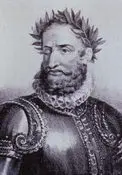
Luís de Camões
1524-12 – 1580-06-10
Luís de Camões is the greatest poet in the Portuguese language, author of "Os Lusíadas", the national epic that narrates Vasco da Gama's voyages to India. His poetic work ranges from amorous lyricism, marked by Petrarchan influence and passionate suffering, to reflection on destiny, homeland, and the human condition. He is considered one of the pillars of Western literature.
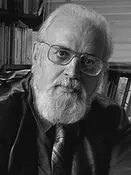
Haroldo de Campos

1929-08-19 – 2003-08-16
Haroldo de Campos was a Brazilian poet, translator, essayist, and literary critic, a central figure of concretism. His work is marked by linguistic experimentation and the pursuit of a poetry that transcended the barriers of traditional language, exploring the visuality and sonority of words. He was one of the founders of the concretist movement in Brazil and an intellectual of vast influence, with a production that spanned poetry, literary theory, and translation.

Pêro de Andrade Caminha
1520 – 1589-09-09
Pêro de Andrade Caminha was a Portuguese poet of the 16th century, whose work is part of the Renaissance. Known for a poetry that reflects the values and concerns of his time, he addressed themes such as love, the ephemerality of life, and the pursuit of glory, characteristic of Renaissance humanism. His writing demonstrates a mastery of poetic form, in line with the literary trends of the period.
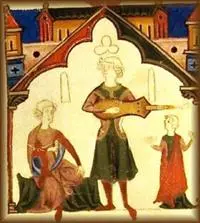
Pêro Garcia Burgalês

Pêro Garcia Burgalês was a Galician-Portuguese troubadour from the second half of the 13th century, known for his production of love and friend songs (cantigas de amor e de amigo). His work is an important testament to Iberian medieval lyric poetry, characterized by musicality, the expression of feelings, and the observation of the social and affective reality of the time. Burgalês stands out for his skill in exploring the conventions of courtly love and the themes of saudade (longing) and nature in his poetic compositions.
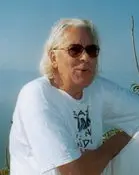
Casimiro de Brito
1938-01-14 – 2024-05-16
Casimiro de Brito was a Portuguese poet whose work fits into a transitional context between the end of Romanticism and the first manifestations of Symbolism. His poetry is marked by deep melancholy, an exploration of the lyrical self, and a refined sensitivity to the themes of death, love, and the ephemerality of life. Despite a relatively concise poetic output, he left an indelible mark on 19th-century Portuguese poetry through his musicality and the expressive intensity of his compositions.
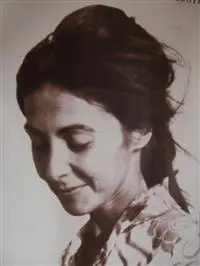
Fiama Hasse Pais Brandão
1938-08-15 – 2007-01-19
Fiama Hasse Pais Brandão was a Portuguese poet, playwright, and translator, known for her work marked by formal experimentation and the exploration of existential and social themes. Her writing is characterized by dense language and a strong rhythmic component, often associated with the Surrealist movement and concrete poetry. Throughout her career, she explored various forms of expression, including theater and poetic performance, leaving a significant legacy in contemporary Portuguese-language poetry.
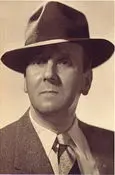
António Botto
1897-08-17 – 1959-03-04
António Botto was a Portuguese poet who marked his time by the audacity of his themes and his direct approach to sensuality and love, including homosexual love, in a conservative period. His poetry, although sometimes controversial, revealed a refined lyrical sensitivity and a desire for freedom of expression. Botto is an important figure in the history of Portuguese literature for his courage in addressing taboo subjects and for his contribution to the modernization of poetry.

Diogo Brandão
1475-01-01 – 1530
Diogo Brandão is a contemporary poet whose work explores the complexities of human existence, the fleetingness of time, and the search for meaning in a constantly changing world. His poetry, marked by accessible yet profound language, engages with the anxieties of current society, addressing themes such as identity, memory, and interpersonal relationships. His writing, at times melancholic, at times hopeful, invites reflection and introspection, solidifying his presence in the contemporary literary landscape.
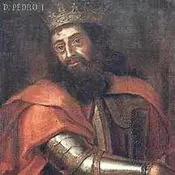
Bernardo Bonaval
1200 – 1300
Bernardo Bonaval was a Galician-Portuguese troubadour and poet from the Middle Ages. His work, part of the Galician-Portuguese lyrical tradition, is notable for its artistic quality and the expressiveness of its themes. Bonaval is remembered as one of the important representatives of the poetry of the era, whose lyrical production contributed to the enrichment of the Iberian medieval songbook.
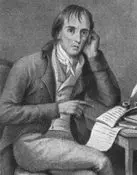
Bocage
1765-09-15 – 1805-12-21
Bocage, whose real name was Manuel Maria Barbosa du Bocage, was one of the most important Portuguese poets of the late 18th century. His work, marked by intense and sometimes irreverent lyricism, explored themes such as love, passion, the fleetingness of time, and melancholy. Known for his bohemian life and strong personality, Bocage left a poetic legacy that transcends his time, influencing later generations of writers with his formal mastery and expressiveness.
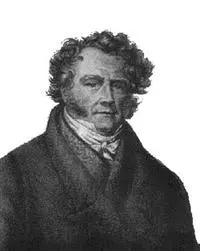
Diogo Bernardes
1530 – 1605-01-01
Diogo Bernardes was a Portuguese Renaissance poet, known for his lyrical work and his ability to express the complexity of human emotions. His poetry reflects the cultural and spiritual context of the time, with a rich and elaborate language. He is considered one of the important figures of Portuguese-language poetry in the 16th century.
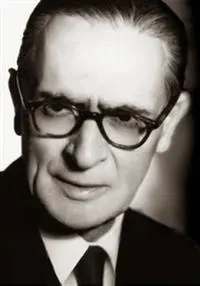
Edmundo de Bettencourt
1899-08-07 – 1973-02-01
Edmundo de Bettencourt was a Portuguese poet and short-story writer, native to Madeira, whose work was characterized by a strong connection to his homeland and by the influences of Saudosismo and Symbolism. His writing, often marked by a lyrical and melancholic tone, explored themes such as nature, saudade (longing), love, and Madeiran identity. He was an important figure in promoting island culture through literature, contributing with his sensitivity and keen eye for the island's landscape and customs. His poetry evokes beauty and introspection, leaving a legacy of inestimable value to Madeiran and Portuguese literature.
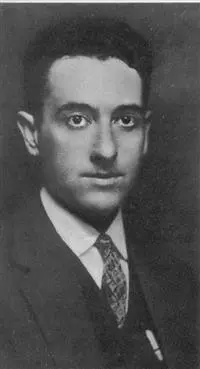
Mário Beirão
1890-05-01 – 1965-02-00
Mário Beirão was a poet who stood out in the Portuguese literary landscape, associated with the surrealist movement. His poetic work is recognized for its formal audacity and exploration of the unconscious, key characteristics of surrealism, reflecting a desire for rupture with aesthetic and social conventions. His writing, at times enigmatic and deeply personal, invites the reader to dive into a dreamlike and subversive universe, where the logic of everyday life gives way to free associations and surprising images. Beirão left a legacy that dialogues with creative freedom and the pursuit of authentic expression.
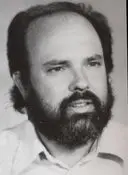
Ruy Belo
1933-02-27 – 1978-08-08
Ruy Belo was one of the most important Portuguese poets of the 20th century. His work is marked by a profound reflection on existence, faith, solitude, and time, with a language that is both colloquial and erudite. He moved between the sacred and the profane, the everyday and the transcendental, exploring the contradictions of the human condition with humor, melancholy, and subtle irony. His poetry, accessible yet complex, continues to touch readers with its honesty and the beauty of its imagery.
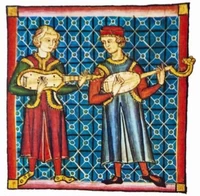
João Baveca
João Baveca is a poet whose work is part of the landscape of contemporary Portuguese-language poetry. His writing often explores introspection, the complexities of the human condition, and the individual's relationship with the world around them. His poetry is characterized by careful language and the exploration of poetic images that invite reflection.
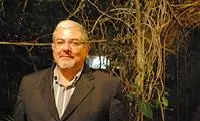
Frederico Barbosa
1961-02-20
Frederico Barbosa is a Brazilian poet whose work is characterized by its lyrical depth, exploration of themes such as love, death, time, and the human condition, and by a rigorous and musical language. Through poetry that dialogues with tradition, but also opens itself to modernity, Barbosa constructs a dense and reflective poetic universe, marked by unique sensitivity and a keen eye for the complexities of existence.
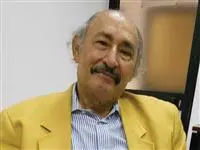
Arlindo Barbeitos

1940-12-24 – 2021-03-31
Arlindo Barbeitos is an Angolan poet whose work is part of the rich tradition of Portuguese-language literature, addressing crucial themes such as national identity, African cultural heritage, the fight for freedom, and social criticism. His poetry is marked by a strong symbolic charge and a deep sense of belonging, exploring the complexities of Angolan reality and the quest for a just and sovereign future. Barbeitos is an important voice in contemporary African poetry.
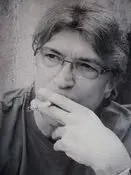
José Agostinho Baptista
1948-08-15
José Agostinho Baptista was an Azorean poet and writer who marked 20th-century Portuguese literature. His poetic work, deeply connected to his native islands, explores themes such as saudade, identity, time, and the relationship between man, nature, and the universe. With a lyrical and imagistic style, Baptista left a significant legacy in contemporary poetry.
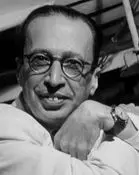
Manuel Bandeira
1886-04-19 – 1968-10-13
Manuel Bandeira was a Brazilian poet, literary critic, and professor, considered one of the greatest names in 20th-century Brazilian poetry and one of the pioneers of Modernism. His work, marked by simplicity, musicality, and profound melancholy, addressed themes such as childhood, death, illness, saudade, daily life, and the human condition. Bandeira left a unique poetic legacy, characterized by his intimate lyricism and his ability to find beauty in the simplicity and ephemerality of life.
Jerónimo Baía
1620 – 1688-01-01
Jerónimo Baía was a Portuguese poet, a prominent figure of the Renaissance period, known for his work that reflects the influence of classicism and humanism. His poetry, often marked by erudition and a philosophical tone, addresses themes such as the passage of time, the fragility of life, and the pursuit of wisdom. His writing is a testament to the intellectual and artistic maturity of his time.
Mário António
1934-04-05 – 1989-02-07
Mário António is a name associated with Portuguese poetry, with a body of work marked by a profound reflection on the human condition and the ephemerality of time. His writing, although sometimes dense and allusive, reveals a constant search for meaning and beauty in language. His literary contribution fits into a context of poetic renewal, where formal exploration is combined with a contained, but penetrating lyricism.

Luís Anriques
1906-09-02 – 1993-05-13
Luís Anriques was a Portuguese poet whose work belongs to the Modernism movement, characterized by an innovative exploration of language and poetic form. His poetry, although sometimes less known compared to other prominent figures of the time, reveals a keen sensibility and a search for new lyrical expressions, often addressing existential themes and the human condition. His work reflects a desire to break with previous literary conventions, experimenting with free verse and exploring inner and outer landscapes with a contemporary vision.