

Awards
Prémio Camões
Description
Origin and purpose
The Camões Prize, established in 1989 by the governments of Portugal and Brazil, is considered the Nobel Prize for literature in Portuguese. Its name honors Luís Vaz de Camões, the celebrated Portuguese epic poet.
The prize aims to annually distinguish a Portuguese-language author whose literary work has significant relevance and artistic value, contributing to the dissemination and prestige of Portuguese literature.
Jury and selection process
The laureate is chosen by a jury composed of personalities of recognized merit in the fields of literature and culture, from Portuguese-speaking countries. Each Portuguese-speaking country has the right to nominate one member for the jury, with Portugal and Brazil, as the initiators of the prize, nominating two members each. The jury meets annually to deliberate on the candidates.
Award criteria
The selection criteria, although not explicitly codified in detailed public regulations, focus on the literary quality of the work, its originality, its influence, and its contribution to the literary heritage of the Portuguese language.
There are no specific categories; the prize is awarded for the author's complete body of work, recognizing their trajectory and the impact of their legacy.
The monetary value of the prize, although varying over the years, is an additional incentive, but the recognition and prestige associated with winning it are undoubtedly its greatest value.
Relevance and impact
Its importance lies in its ability to promote authors and works to a wider audience, both within the Lusophone community and internationally. Its award is often accompanied by public debate about contemporary Portuguese-language literature and about the authors who have most marked the literary landscape. Its relevance transcends mere individual distinction, serving as a barometer of the vitality and diversity of literary production in Portuguese-speaking countries.
Its annual periodicity and the international recognition it confers make it one of the most coveted and respected literary prizes worldwide, especially within the realm of Romance languages. Its history is marked by the celebration of the cultural and linguistic diversity encompassed by the Portuguese language, promoting dialogue between different literary traditions and social realities.
Notable laureates
Throughout its history, the Camões Prize has distinguished some of the most important names in Portuguese-language literature, such as José Saramago, João Cabral de Melo Neto, António Ramos Rosa, Sophia de Mello Breyner Andresen, Rubem Fonseca, Mia Couto, among many others.
Winners
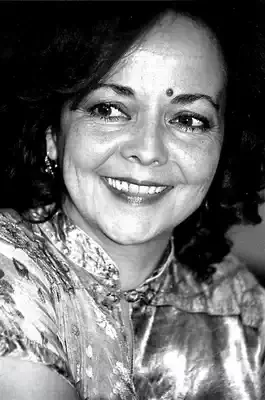
Ana Paula Ribeiro Tavares

Ana Paula Ribeiro Tavares is a contemporary Portuguese poet and essayist. Her poetic work is marked by reflective depth and the exploration of themes such as memory, identity, and the passage of time, often with an introspective look at the human experience. Her writing is distinguished by its musicality and vocabulary precision, combining lyrical sensibility with an intellectualized approach to language.
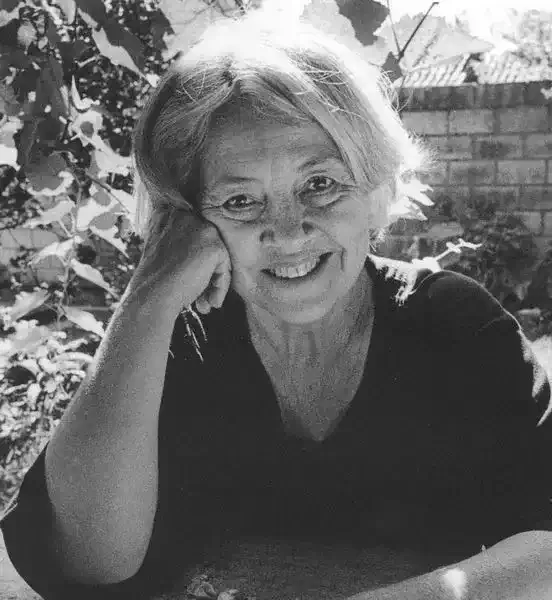
Adélia Prado

Adélia Prado is a contemporary Brazilian poet, known for her poetry that intertwines the everyday with the sacred, the profane with the spiritual, and the trivial with the transcendent. Her work, marked by direct, colloquial, and sometimes unexpectedly lyrical language, reflects a profound contemplation of the female condition, faith, the body, death, and the search for meaning in a reality often devoid of transcendence. Prado offers a unique vision of urban life and human relationships, where poetry emerges from the simplest gestures and most common moments, revealing the beauty and mystery hidden in everyday experience.

João Barrento


Silviano Santiago
Silviano Santiago is a renowned Brazilian writer, essayist, and literary critic. His work is marked by a deep reflection on cultural identity, language, and power relations in contemporary society. With a consolidated career, he moves between fiction and non-fiction, always with a sharp eye for the complexities of Brazil and Latin America. He is considered one of the most important intellectuals of his generation, influencing debates on literature and critical thinking. His writing, often challenging, invites the reader to immerse themselves in complex themes, exploring the nuances of the human experience and cultural production.

Paulina Chiziane

Vítor Manuel de Aguiar e Silva
Vítor Manuel de Aguiar e Silva is a distinguished academic, researcher, and university professor, widely recognized for his vast contributions to Portuguese language literary and linguistic studies. His work is dedicated to the critical analysis of literature, with a particular focus on Portuguese and Brazilian literature, also addressing literary theory and the history of ideas. He is a benchmark name in the field of philology and literary criticism.

Chico Buarque
Chico Buarque de Hollanda is one of the most prominent Brazilian singers, composers, and writers. His musical work, marked by melodic sophistication and engaged poetry, has established him as an icon of MPB (Música Popular Brasileira). Parallel to his musical career, he developed a literary body of work that explores social and existential themes with profound sensitivity and mastery of language.

Germano Almeida
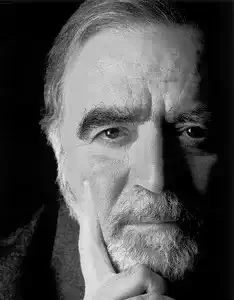
Manuel Alegre
Manuel Alegre is a prominent figure in contemporary Portuguese literature, known for his engaged, lyrical, and deeply human poetry. His work is marked by a strong connection to Portugal's recent history, particularly the period of dictatorship and the struggle for freedom. With a style that combines the power of the word with the subtlety of feeling, Alegre explores themes such as identity, memory, justice, and hope. His poetry, with great popular reach and critical recognition, is a testament to his journey through political life and his experience of the ideals of democracy and civic engagement.

Raduan Nassar
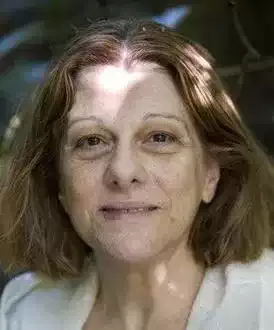
Hélia Correia
Hélia Correia is a notable contemporary Portuguese writer, recognized for her poetic work and her prose of great depth and originality. Her writing is marked by a rich and elaborate language, by the exploration of universal themes such as memory, time, identity, and the female condition, and by a unique sensitivity to the subtleties of human experience. With a solid and multifaceted literary career, Hélia Correia has established herself as one of the most important voices in recent Portuguese literature, influencing generations of readers and writers.
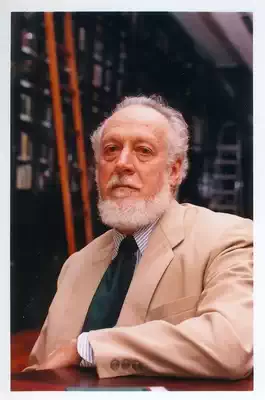
Alberto da Costa e Silva
Alberto da Costa e Silva was a prominent Brazilian poet, diplomat, and essayist, recognized for his vast work that celebrates African culture and its influence on the formation of Brazil. His poetry is marked by lyricism, musicality, and a deep reflection on themes such as identity, history, ancestry, and beauty. He distinguished himself by his erudition and his ability to make accessible the complexities of African heritage, advocating for the importance of intercultural dialogue and the recognition of diversity.
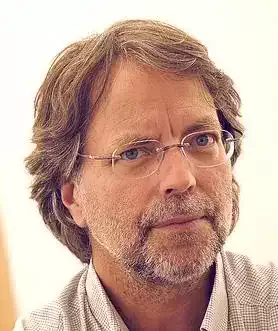
Mia Couto

Mia Couto is a Mozambican writer, whose works explore the complex reality of post-independence Mozambique, blending the real with the fantastic, myth, and African orality. His poetic prose and engaging narratives address themes such as war, reconciliation, cultural identity, and ancestral wisdom, making him one of the most important authors of contemporary Lusophone literature. Internationally recognized, Mia Couto plays a crucial role in the literary representation of Mozambique.
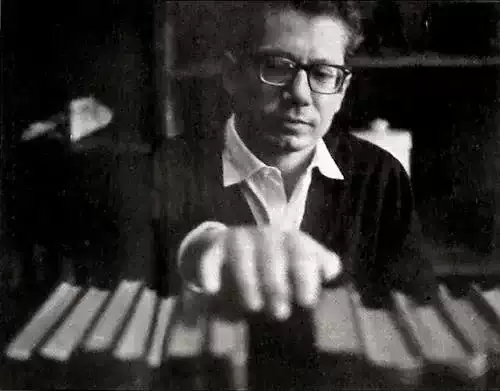
Dalton Trevisan
Dalton Trevisan is a Brazilian writer known for his short story work and his raw, direct writing. His narrative frequently explores urban marginality, human misery, and the complexities of interpersonal relationships, using concise language and a cutting style that earned him the nickname "Vampire of Curitiba." His work is marked by keen observation of everyday life and the ability to reveal the grotesque and tragic in the simplicity of life.
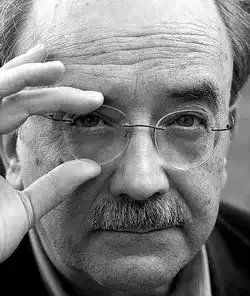
Manuel António Pina
Manuel António Pina was a Portuguese poet, writer, playwright, and essayist, a prominent figure in contemporary literature. His work, characterized by apparent simplicity, philosophical depth, and a keen eye on the human condition, explores themes such as childhood, memory, language, and transcendence. Recognized for his originality and his ability to reinvent poetic form, Pina left a significant legacy, marked by reflection on existence and the art of writing.
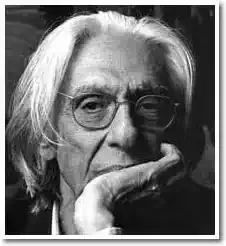
Ferreira Gullar
José Ribamar Ferreira de Araújo da Costa, known as Ferreira Gullar, was one of the most influential Brazilian poets and intellectuals. His work spans various phases, from concrete poetry to more existential and reflective poetry, always marked by a deep engagement with social and human reality. Gullar also stood out as a columnist, art critic, and essayist, leaving a multifaceted legacy in Brazilian culture.
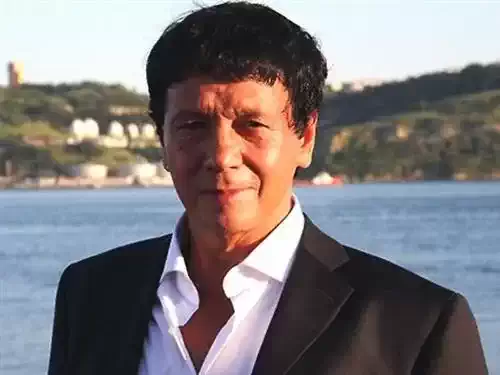
Arménio Vieira

Arménio Vieira is a prominent Cape Verdean poet, whose work is distinguished by the deep exploration of identity, diaspora, the human condition, and the landscape of Cape Verde. His poetry is marked by a forceful language, a sometimes elegiac tone, and a strong connection to the cultural and historical roots of his people. With a consolidated trajectory, Arménio Vieira is an essential voice in Portuguese-language literature, addressing universal themes from a uniquely Cape Verdean perspective, which gives him a prominent place in the Lusophone literary landscape.

João Ubaldo Ribeiro
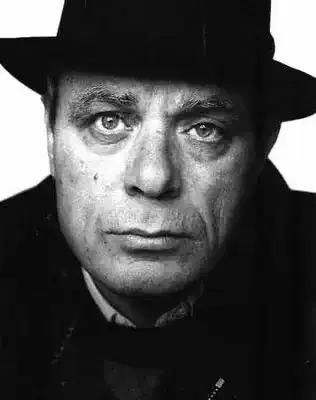
António Lobo Antunes
António Lobo Antunes is one of the most prominent contemporary Portuguese writers, known for his complex work deeply marked by the experiences of the Colonial War in Africa. His writing, characterized by a non-linear narrative structure, the use of multiple points of view, and dense, often fragmented language, explores themes such as memory, madness, violence, guilt, and identity. Lobo Antunes is internationally recognized for his contribution to world literature.
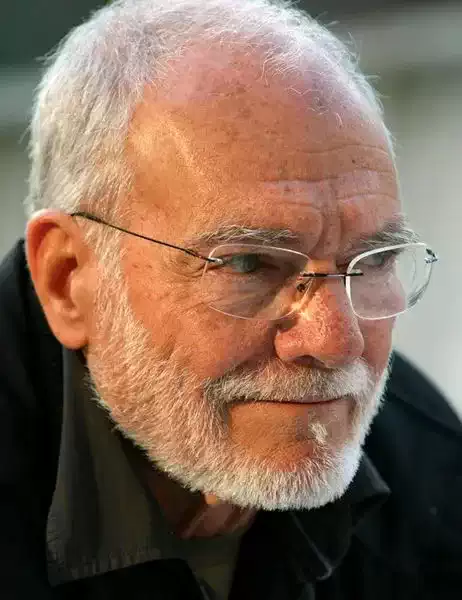
José Luandino Vieira
José Luandino Vieira was a prominent Angolan writer, known for his profound exploration of the Portuguese language in Angola and for his work that portrays the life, culture, and struggles of the Angolan people. His writing is marked by audacious linguistic innovation, incorporating vocabulary, rhythms, and structures of Angolan speech. Considered one of the greatest names in Angolan and African literature in Portuguese, Luandino Vieira addressed themes such as identity, resistance, memory, and the pursuit of freedom, leaving a literary legacy that continues to influence generations of writers and enrich the Lusophone cultural heritage.

Lygia Fagundes Telles
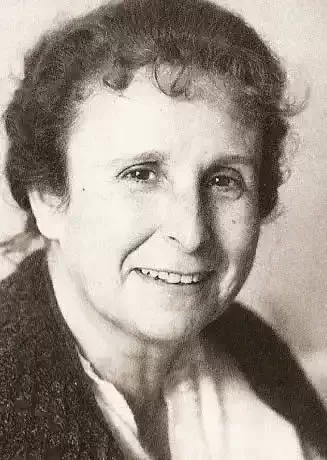
Agustina Bessa-Luís
Agustina Bessa-Luís was a renowned Portuguese writer, whose work stood out for its psychological depth, exploration of complex themes, and vigorous and innovative narrative style. Throughout her extensive career, she masterfully addressed the human condition, family relationships, the social dimension, and the history of Portugal, establishing herself as one of the most important voices in contemporary Lusophone literature.

Rubem Fonseca

Maria Velho da Costa
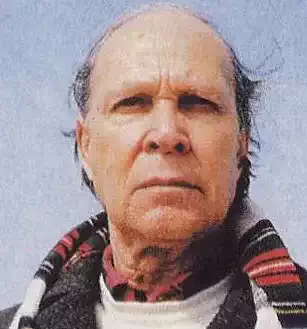
Eugénio de Andrade
Eugénio de Andrade was one of the most important Portuguese poets of the 20th century, known for the purity and musicality of his language, and for his deep connection to nature, the body, and sensory experience. His work is characterized by a refined lyricism that celebrates life, light, and beauty, without ignoring the darker dimensions of existence. With poetry distinguished by its conciseness, clarity, and apparent simplicity that hides great reflective depth, Eugénio de Andrade consolidated an unmistakable style and a unique voice in contemporary Portuguese-language poetry.

Autran Dourado
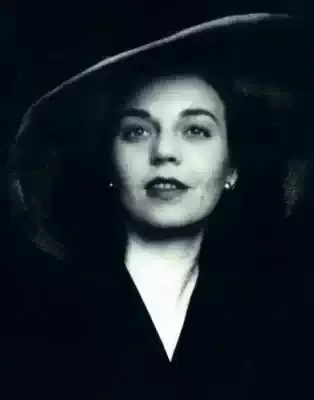
Sophia de Mello Breyner Andresen
Sophia de Mello Breyner Andresen was one of the most prominent poets in the Portuguese language, known for her refined lyricism, clarity of thought, and deep connection with Ancient Greece and nature. Her poetic work is marked by a constant search for justice, beauty, and truth, exploring universal themes such as love, death, time, and the human condition, always with a focus on redemption and hope. Her poetry is recognized for its moral strength and formal elegance, combining tradition with a contemporary and accessible language, which made her an essential figure in 20th and 21st-century Portuguese literature.

Antonio Candido

Pepetela

Eduardo Lourenço
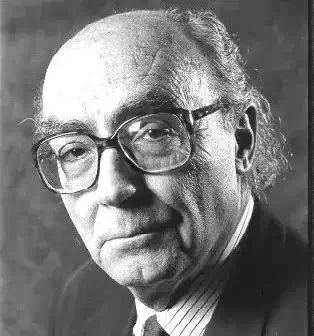
José Saramago
José Saramago was a Portuguese writer, awarded the Nobel Prize in Literature in 1998. His work, profoundly humanistic and critical, addresses existential, social, and political issues with a unique narrative style, marked by the absence of conventional punctuation in dialogue and by long sentences. He explored the human condition, memory, identity, and power, leaving a significant literary legacy. His writing is recognized for its complexity, philosophical reflection, and ability to question social structures and human behavior, inviting the reader to a deep immersion in dense and thought-provoking fictional universes.

Jorge Amado

Rachel de Queiroz
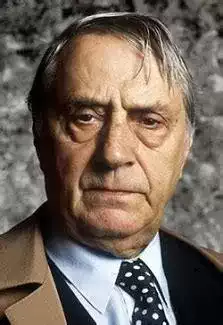
Vergílio Ferreira
Vergílio António Ferreira was a highly influential Portuguese writer, poet, novelist, playwright, essayist, and literary critic. He is regarded as one of the most significant figures in 20th-century Portuguese literature, known for his intellectual depth and exploration of existential themes. His work often grapples with questions of identity, freedom, and the human condition.
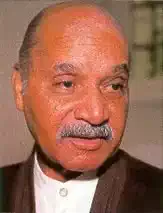
José Craveirinha
José Craveirinha was a Mozambican poet, considered one of the greatest names in Portuguese-language African literature. His work, strongly marked by Mozambican identity, the fight against colonialism, and the celebration of Mozambique's culture and people, is characterized by a vibrant and expressive language that mixes Portuguese with elements of local languages. He is known as the "Poet of the People".
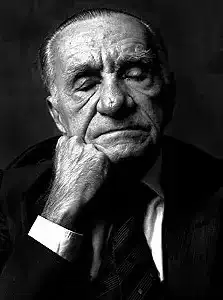
João Cabral de Melo Neto
João Cabral de Melo Neto was one of the most important Brazilian poets of the 20th century. His work is marked by objectivity, formal rigor, and the exploration of language as raw material. He addressed themes such as the Northeastern landscape, the human condition, and poetry itself, with a style often described as concrete and architectural. His poetry seeks precision, clarity, and economy of means, distancing itself from sentimentality and rhetorical excesses.
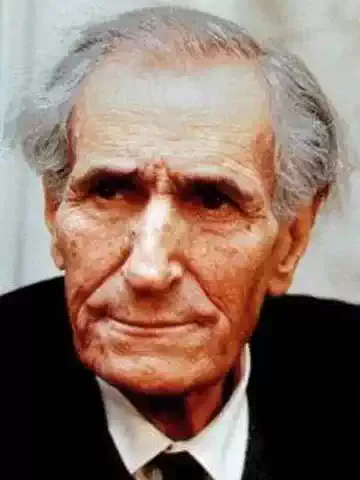
Miguel Torga
Miguel Torga was a Portuguese poet and writer, known for his multifaceted work that explores the roots of the human being and their relationship with the land. His poetry is marked by a deep connection to nature, popular tradition, and an existentialist view of the world. His writing, often visceral and strongly lyrical, reflects a constant search for identity and truth, in a style that combines the strength of free verse with the solidity of form. Torga addressed themes such as the human condition, the passage of time, the land of Trás-os-Montes, and spirituality, leaving a poetic legacy that continues to resonate for its authenticity and depth.