

Awards
Prêmio Jabuti
Jabuti
Description
History and Origins
The Jabuti Award, established in 1959 by the Brazilian Book Chamber (CBL), is the oldest and one of the most important literary awards in Brazil. Its name is a tribute to the writer Monteiro Lobato, who used the pseudonym "Juca Pirama," and the jabuti, an animal symbol of slowness and wisdom, was chosen to represent the longevity and importance of literature.
Evolution of Categories
Throughout its history, the award has undergone several reforms in its categories and evaluation criteria, always seeking to adapt to the transformations of the publishing market and Brazilian literary production.
Initially, the award focused on more restricted categories, such as Novel, Short Story, Poetry, and Biography. Over time, the award expanded its scope to cover areas such as Translation, Illustration, Cover Design, Graphic Design, Educational Book, Children's Book, Young Adult Book, Chronicle, Reportage, Poetry in Portuguese, among others. This diversification reflects the complexity and richness of the Brazilian literary world, recognizing not only the written work but also the professionals who contribute to the materialization of the book.
Evaluation Criteria
The evaluation criteria for the Jabuti Award are rigorous and take into account literary quality, originality, cultural and social relevance, technique, and innovation. A jury composed of renowned specialists in each area evaluates the submitted works, ensuring the credibility and prestige of the award. Each edition's award ceremony becomes a major event in the Brazilian cultural calendar, bringing together writers, publishers, booksellers, critics, and literature lovers.
Cultural Relevance
The relevance of the Jabuti Award transcends the individual recognition of authors and professionals. It acts as an important barometer of national literary production, boosting the visibility of works and authors, stimulating reading and the production of quality books, and fostering debate about Brazilian literature. Winning the Jabuti can be a turning point in a writer's career, opening doors to new publications, translations, and international recognition.
The longevity of the Jabuti is a testament to its importance and commitment to promoting Brazilian literature.
Features and Curiosities
Among the curiosities about the award, its ability to reinvent itself stands out. In some editions, special categories were created to honor important literary figures or movements. The competition for the Jabuti is always fierce, and many established authors have been honored, just as new talents have emerged thanks to this distinction. The award also plays a fundamental role in valuing the book as a cultural and artistic object, recognizing the work of designers, illustrators, and publishers who contribute to the aesthetic experience of reading.
Winners
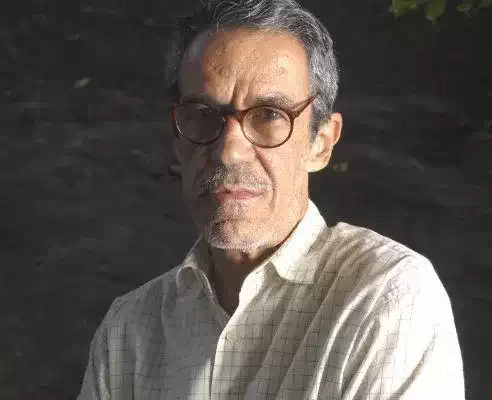
Armando Freitas Filho

Armando Freitas Filho was a Brazilian poet whose work stood out for its formal experimentation and exploration of themes such as memory, time, and the human condition. His poetry is marked by dense language and a profound reflection on language and poetry itself. Throughout his career, he consolidated a unique style that dialogues with tradition while pointing towards the avant-garde. His contribution to Brazilian literature is recognized for its originality and ability to move between lyricism and metalanguage, leaving a legacy of works that continue to challenge readers and critics.
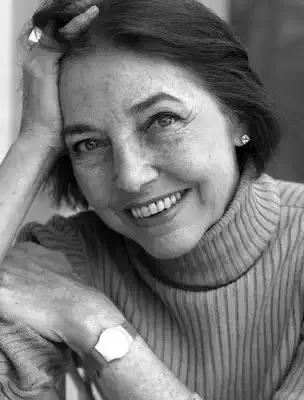
Marina Colasanti
Marina Colasanti is a renowned Brazilian visual artist and writer, born in Italy. Her poetic work is marked by a unique delicacy and a deep exploration of the feminine universe, dreams, and imagination. With accessible language, yet loaded with symbolism, she moves between the real and the fantastic, inviting the reader to reflect on the complexities of existence and the nuances of human relationships. Her production encompasses poetry, short stories, and illustrated books, consolidating her as a singular voice in contemporary literature.

Fabrício Corsaletti
Fabrício Corsaletti is a Brazilian poet and translator. His poetic work is marked by precise language and reflection on the human condition, time, and memory. He moves between lyricism and chronicle, exploring the possibilities of words in different contexts.

Luiza Romão
Luiza Romão is a contemporary Brazilian poet and writer, known for her work that addresses social, racial, and gender issues with a potent and visceral language. Her poetry explores female subjectivity, ancestry, and the complexities of human relationships in a context of inequality. With a striking authorial voice, Luiza Romão has been gaining prominence in the Brazilian literary scene, participating in recitals, festivals, and publications that amplify the reach of her writing. Her work is an invitation to reflect on the Black and female experience in Brazil.

Maria Lúcia Alvim
Maria Lúcia Alvim is a Brazilian writer, poet, and professor, known for her contribution to contemporary literature, with special emphasis on poetry. Her poetic work is marked by sensitivity, reflection on daily life, and human experiences. As an educator, she also dedicated herself to fostering readers and promoting literature.
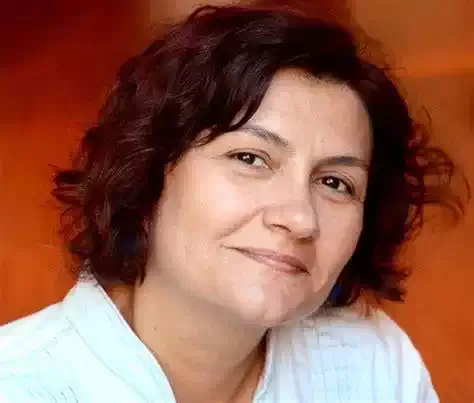
Cida Pedrosa
Cida Pedrosa is a Brazilian poet and writer, recognized for her work that explores themes such as ancestry, identity, memory, and the female condition, with strong inspiration from Afro-Brazilian culture and the landscapes of the Northeast. With a language rich in imagery and musicality, her poetry moves between the personal and the collective, the mythical and the real, establishing a deep dialogue with her roots. Her work has been widely disseminated and awarded, consolidating her as an important contemporary voice in Brazilian literature.
Hilda Machado
Hilda Machado was a Brazilian poetess, whose work stands out for its sensitivity and lyrical depth. She masterfully explored universal themes such as love, the ephemerality of time, and the search for transcendence, using refined and evocative language. Her poetry, although sometimes marked by a subtle melancholy, radiates an inner strength and a keen observational capacity of the world and human relationships, consolidating her as an important voice in contemporary poetry.

Mailson Furtado Viana
Mailson Furtado Viana is a contemporary Brazilian poet whose work is distinguished by the exploration of existential and social themes, with a lyrical and accessible language. His poetry frequently addresses daily life, human relationships, and the search for meaning, reflecting a keen sensibility and an attentive gaze upon the world. Viana has been standing out in the current literary scene for his ability to connect with the reader through verses that resonate with common experience, offering a poetic perspective on the challenges and beauties of modern life.
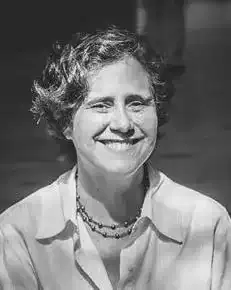
Simone Brantes
Simone Brantes is a writer and poet whose work stands out for its lyrical depth and exploration of the human condition. Through carefully crafted language, Brantes addresses universal themes such as love, loss, memory, and the search for meaning in a constantly changing world. Her poetry invites introspection and reflection on the complexities of human relationships and the ephemerality of existence. With a keen sensitivity to the nuances of feeling, the author weaves verses that resonate with individual and collective experience. Simone Brantes' work is marked by an intrinsic musicality and vivid imagery, transporting the reader into a universe of emotions and thoughts, consolidating her as a relevant voice in the contemporary literary landscape.

Arnaldo Antunes
Arnaldo Antunes is a Brazilian poet, singer, and songwriter, known for his multifaceted work that spans music, poetry, and visual arts. His career is marked by experimentation and the constant search for new forms of expression. With a language that often explores wordplay, sound, and visuality, Antunes has established himself as one of the most relevant figures in contemporary Brazilian poetry, engaging with different artistic and cultural currents.
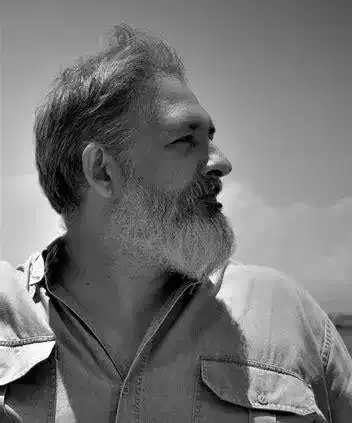
Alexandre Guarnieri
Alexandre Guarnieri is a contemporary Brazilian poet and translator, whose work stands out for its ability to articulate the colloquial with the lyrical, exploring themes such as the city, everyday life, human relationships, and the complexities of existence. His poetry, often marked by subtle irony and deep social observation, dialogues with the literary tradition while firmly embedding itself in the context of current Brazilian literature.
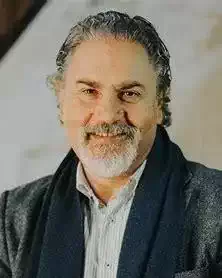
Horácio Costa
Horácio Costa is a Portuguese poet and essayist, known for his poetry that blends erudition and sensitivity, exploring themes such as memory, time, language, and the human condition itself. His work, marked by rigorous formal construction and rich vocabulary, dialogues with literary tradition while engaging with contemporary concerns. Costa is also recognized for his essayistic activity, where he deepens reflections on literature, art, and culture.
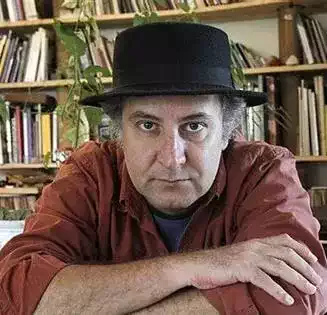
Ademir Assunção
Ademir Assunção is a Brazilian poet, playwright, and editor, known for his engaged poetry with a strong social component. His work frequently addresses themes such as oppression, resistance, and the human condition in contexts of inequality. With a direct and forceful language, Assunção is part of the tradition of social and protest poetry, using words as a tool for intervention and reflection on reality.
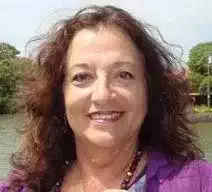
Maria Lúcia Dal Farra
Maria Lúcia Dal Farra is a Brazilian writer whose work straddles poetry and prose, marked by a strong lyrical charge and a deep exploration of female subjectivity. Her writing addresses themes such as identity, the body, interpersonal relationships, and social issues, with sensitive and imagistic language. Dal Farra stands out for her ability to give voice to often silenced experiences, promoting reflection on the condition of women in contemporary society.
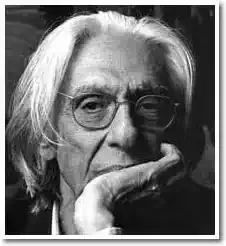
Ferreira Gullar
José Ribamar Ferreira de Araújo da Costa, known as Ferreira Gullar, was one of the most influential Brazilian poets and intellectuals. His work spans various phases, from concrete poetry to more existential and reflective poetry, always marked by a deep engagement with social and human reality. Gullar also stood out as a columnist, art critic, and essayist, leaving a multifaceted legacy in Brazilian culture.
Marina Colasanti
Marina Colasanti is a renowned Brazilian visual artist and writer, born in Italy. Her poetic work is marked by a unique delicacy and a deep exploration of the feminine universe, dreams, and imagination. With accessible language, yet loaded with symbolism, she moves between the real and the fantastic, inviting the reader to reflect on the complexities of existence and the nuances of human relationships. Her production encompasses poetry, short stories, and illustrated books, consolidating her as a singular voice in contemporary literature.
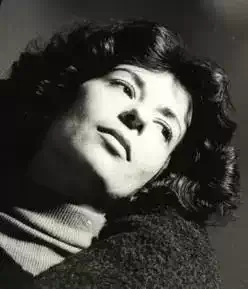
Alice Ruiz
Alice Ruiz is a Brazilian poet and translator, recognized for her concise poetic work, marked by formal experimentation and reflection on the everyday, memory, and human relationships. Her poetry, often presented in brief formats, such as haiku and short poems, reveals a remarkable capacity for synthesis and a unique sensitivity for capturing the essence of moments. She is also an important figure in literary translation, with significant contributions to the dissemination of foreign poetry in Brazil.
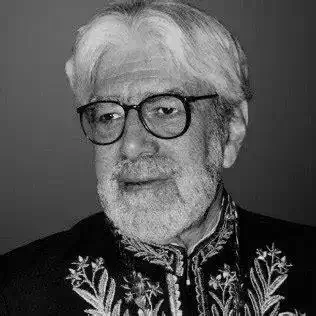
Ivan Junqueira
Ivan Junqueira was a Brazilian poet, journalist, and translator, known for his poetic work that frequently explores themes such as the metropolis, urban life, the passage of time, and human relationships, with a keen and sometimes melancholic eye. His writing, marked by clarity and imagistic strength, oscillates between lyricism and chronicle, reflecting the experience of the individual in contemporary society. He was also an active figure in journalism and literary translation.
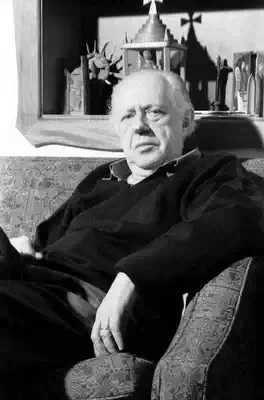
Affonso Ávila
Affonso Ávila was a Brazilian poet, essayist, professor, and literary critic, a prominent figure of the third generation of Modernism. His poetic work is marked by a profound reflection on the human condition, the ephemerality of time, and the search for meaning in a constantly changing world. As an essayist and critic, he contributed significantly to the understanding of Brazilian literature.
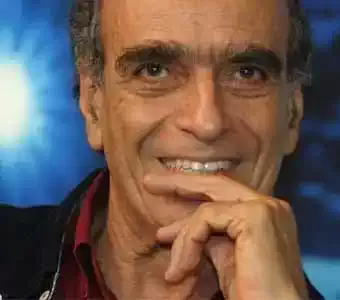
Affonso Romano de Sant'Anna
Affonso Romano de Sant'Anna was a Brazilian poet, literary critic, and essayist, known for his poetry that explores language, metalanguage, and the human condition, often with a philosophical and ironic tone. His work addresses themes such as time, memory, the city, and the individual's relationship with the modern world, using dense and imagistic language. Distinguished for his contribution to Brazilian literature and culture, Sant'Anna also stood out as a university professor and commentator in various media, disseminating literary knowledge and critical reflection. His poetry is marked by formal experimentation and thematic depth, consolidating him as one of the most relevant voices in contemporary Portuguese-language poetry.
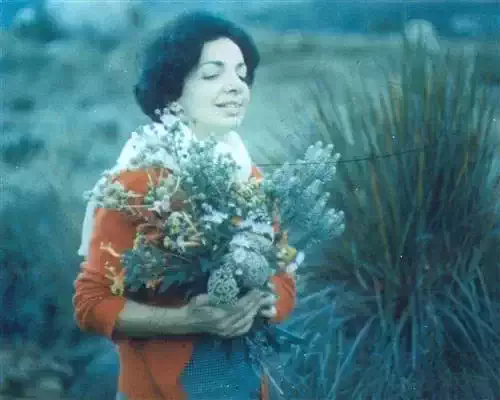
Dora Ferreira da Silva
Dora Ferreira da Silva was a Brazilian poet, known for her lyrical and reflective work. Her poetry explores themes such as love, the ephemerality of time, and the search for meaning, often permeated by a gentle melancholy and profound sensitivity. With refined language and a style marked by musicality and lexical precision, the author left a legacy of poems that continue to resonate with their authenticity and emotional depth. Her contribution to Brazilian poetry is recognized for the originality and strength of her lyrical expression.
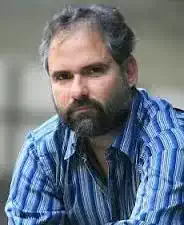
Alexei Bueno
Alexei Bueno is a Brazilian poet, essayist, and translator, recognized for his work that navigates between tradition and modernity, with a strong influence of metalanguage and reflection on the art of writing itself. His poetry is marked by formal rigor, exploration of language, and themes that include memory, time, identity, and the search for meaning. With a vast production encompassing poetry books, critical essays, and translations, Alexei Bueno has established himself as a unique voice in contemporary Brazilian literature, engaging with past masters and proposing new aesthetic approaches.
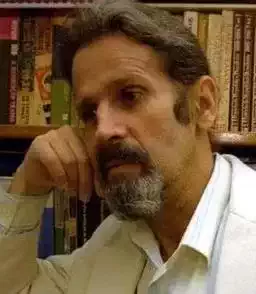
Bruno Tolentino
Bruno Tolentino was a Brazilian poet, essayist, and translator whose work is characterized by erudition, philosophical depth, and the incessant pursuit of beauty and transcendence. His poetry, often marked by rigorous form and elaborate language, addresses universal themes such as time, memory, love, death, and faith, exploring the ambiguities of the human condition. Tolentino demonstrated a remarkable mastery of the Western poetic tradition, while at the same time imprinting his verses with a personal mark of intense reflection and spiritual stripping, leaving a legacy of dense work with great aesthetic rigor.

Claudia Roquette-Pinto
Claudia Roquette-Pinto is a Brazilian poet, translator, and essayist, recognized for her poetry that explores the complexity of existence, memory, the body, and the individual's relationship with the world. Her work stands out for its sensitivity and in-depth investigation of languages, both in poetry and in literary criticism and translation. With a trajectory marked by a diversity of interests and continuous reflection on the human condition, Roquette-Pinto has established herself as a relevant contemporary voice, exploring the nuances of the female experience and the intersections between the personal and the universal.
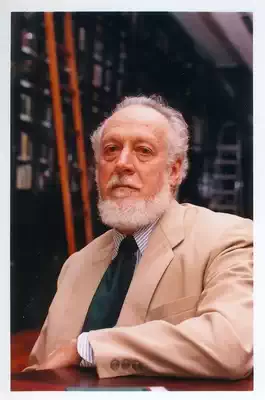
Alberto da Costa e Silva
Alberto da Costa e Silva was a prominent Brazilian poet, diplomat, and essayist, recognized for his vast work that celebrates African culture and its influence on the formation of Brazil. His poetry is marked by lyricism, musicality, and a deep reflection on themes such as identity, history, ancestry, and beauty. He distinguished himself by his erudition and his ability to make accessible the complexities of African heritage, advocating for the importance of intercultural dialogue and the recognition of diversity.
Anderson Braga Horta
Anderson Braga Horta is a Brazilian poet whose work is part of the marginal poetry and counterculture context. His writing is marked by formal freedom, irreverence, and strong social and behavioral criticism, addressing everyday themes, urban life, and existential issues with direct and sometimes transgressive language.
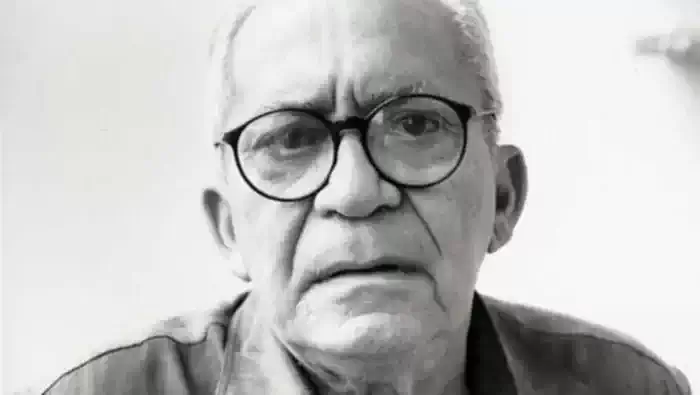
Lêdo Ivo
Lêdo Ivo is a Brazilian poet, novelist, short-story writer, and essayist, a prominent figure in contemporary literature. His work, marked by a profound lyrical sensibility and a reflection on the human condition, explores themes such as memory, time, identity, and the northeastern landscape. With an elegant style and precise language, Ivo has built a consistent and influential body of work, establishing himself as one of the great names in Brazilian poetry.
Ferreira Gullar
José Ribamar Ferreira de Araújo da Costa, known as Ferreira Gullar, was one of the most influential Brazilian poets and intellectuals. His work spans various phases, from concrete poetry to more existential and reflective poetry, always marked by a deep engagement with social and human reality. Gullar also stood out as a columnist, art critic, and essayist, leaving a multifaceted legacy in Brazilian culture.
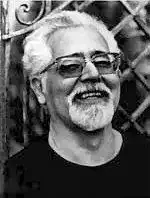
Moacyr Felix
Moacyr Felix was a Brazilian poet, playwright, and literary critic, associated with modernism. His work is marked by vigorous and colloquial language, exploring themes of everyday life, social criticism, and Brazilian popular culture. Felix also dedicated himself to theater and literary criticism, contributing to the dissemination and analysis of the literature of his time.
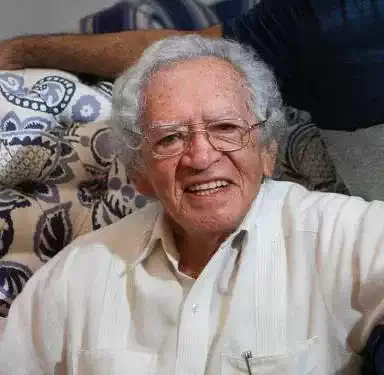
Thiago de Mello
Thiago de Mello was an internationally renowned Brazilian poet, known for his work deeply connected to the Amazon and social and environmental issues. His poetry is characterized by its musicality, imagistic strength, and political and existential engagement. Celebrated for his vast literary production, which includes poetry, prose, and translation, he became an important voice in contemporary literature, both in Brazil and abroad, receiving numerous honors and awards throughout his career.
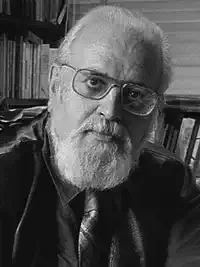
Haroldo de Campos
Haroldo de Campos was a Brazilian poet, translator, essayist, and literary critic, a central figure of concretism. His work is marked by linguistic experimentation and the pursuit of a poetry that transcended the barriers of traditional language, exploring the visuality and sonority of words. He was one of the founders of the concretist movement in Brazil and an intellectual of vast influence, with a production that spanned poetry, literary theory, and translation.
Alberto da Costa e Silva
Alberto da Costa e Silva was a prominent Brazilian poet, diplomat, and essayist, recognized for his vast work that celebrates African culture and its influence on the formation of Brazil. His poetry is marked by lyricism, musicality, and a deep reflection on themes such as identity, history, ancestry, and beauty. He distinguished himself by his erudition and his ability to make accessible the complexities of African heritage, advocating for the importance of intercultural dialogue and the recognition of diversity.
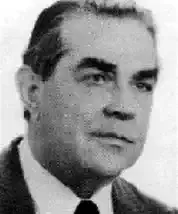
Armindo Branco Mendes Cadaxa
Armindo Branco Mendes Cadaxa is a contemporary Angolan poet, whose work is notable for its lyrical depth and exploration of themes such as identity, memory, and the relationship between the individual and their homeland. With an evocative and sensory language, Cadaxa builds bridges between the past and the present, the personal and the collective, inviting reflection on the complexities of the African experience in contemporary times. His poetry is an invitation to listen to the land and rediscover roots.
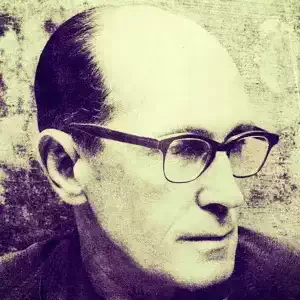
Carlos Drummond de Andrade
Carlos Drummond de Andrade was one of the most important Brazilian poets, considered one of the greatest names in Portuguese-language literature. His work, marked by irony, reflection on the human condition, lyricism, and social criticism, addressed universal themes such as love, death, time, memory, and the individual's relationship with society. Drummond left a very rich poetic legacy, characterized by his accessible yet profound language and his ability to capture the essence of everyday life.
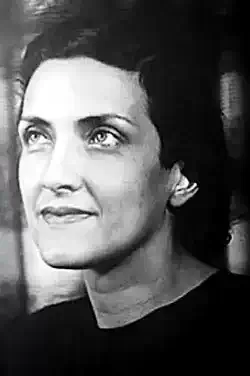
Cecília Meireles
Cecília Meireles was one of the most important poetesses in the Portuguese language, with a work marked by musicality, lyrical delicacy, and the exploration of themes such as time, ephemerality, childhood, and the search for transcendence. Her poetry, influenced by symbolism and modernism, is characterized by its apparent simplicity, but with deep philosophical and existential complexity. With a vast literary production that includes poetry, short stories, chronicles, and children's literature, Cecília Meireles left an unparalleled poetic legacy, celebrating the beauty of the world and the fragility of existence with a crystalline and imaginative language.
Thiago de Mello
Thiago de Mello was an internationally renowned Brazilian poet, known for his work deeply connected to the Amazon and social and environmental issues. His poetry is characterized by its musicality, imagistic strength, and political and existential engagement. Celebrated for his vast literary production, which includes poetry, prose, and translation, he became an important voice in contemporary literature, both in Brazil and abroad, receiving numerous honors and awards throughout his career.
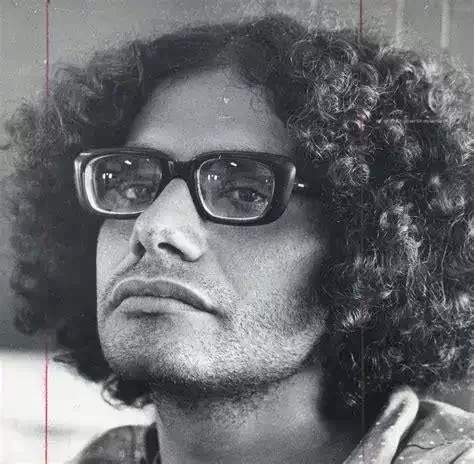
Waly Salomão
Waly Salomão was a Brazilian poet, composer, lyricist, and filmmaker. His work is marked by linguistic experimentation, the fusion of elements of Brazilian popular culture with the avant-garde, and a strong critical and irreverent vein. He moved between poetry, music, cinema, and other arts, leaving a multifaceted legacy.
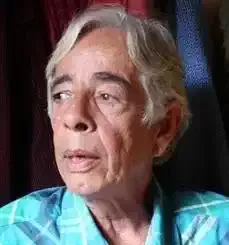
Leonardo Fróes
Leonardo Fróes was a Brazilian poet whose work is distinguished by its originality and depth, exploring the complexity of human existence with a rich and imagistic language. His poetry navigates between the lyrical self and the universe, addressing themes such as solitude, love, the passage of time, and the search for meaning. With a style that moves between the lyrical and the philosophical, Fróes captivates the reader with his ability to articulate existential reflections with refined aesthetic sensitivity. His contribution to contemporary Brazilian poetry lies in how he reinvents tradition, infusing it with a personal and innovative vision, consolidating him as a relevant figure in the literary scene.
Ivan Junqueira
Ivan Junqueira was a Brazilian poet, journalist, and translator, known for his poetic work that frequently explores themes such as the metropolis, urban life, the passage of time, and human relationships, with a keen and sometimes melancholic eye. His writing, marked by clarity and imagistic strength, oscillates between lyricism and chronicle, reflecting the experience of the individual in contemporary society. He was also an active figure in journalism and literary translation.
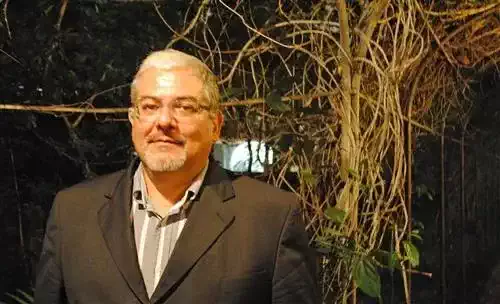
Frederico Barbosa
Frederico Barbosa is a Brazilian poet whose work is characterized by its lyrical depth, exploration of themes such as love, death, time, and the human condition, and by a rigorous and musical language. Through poetry that dialogues with tradition, but also opens itself to modernity, Barbosa constructs a dense and reflective poetic universe, marked by unique sensitivity and a keen eye for the complexities of existence.
Marina Colasanti
Marina Colasanti is a renowned Brazilian visual artist and writer, born in Italy. Her poetic work is marked by a unique delicacy and a deep exploration of the feminine universe, dreams, and imagination. With accessible language, yet loaded with symbolism, she moves between the real and the fantastic, inviting the reader to reflect on the complexities of existence and the nuances of human relationships. Her production encompasses poetry, short stories, and illustrated books, consolidating her as a singular voice in contemporary literature.
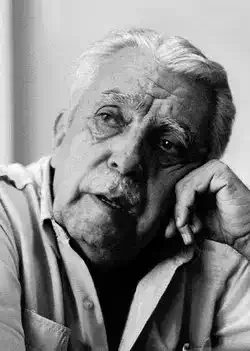
Rubem Braga
Rubem Braga was one of the most important Brazilian poets of the 20th century, known for his lyrical work and his ability to capture the beauty of everyday life and the intensity of human emotions. His poetry is marked by apparent simplicity, musicality, and a worldview that oscillates between optimism and melancholy. His vast literary production, which also includes chronicles and short stories, reveals a deep love for nature, for Rio de Janeiro, and for the simple joys of life, consolidating him as a master in the art of poeticizing the prosaic and the profound.
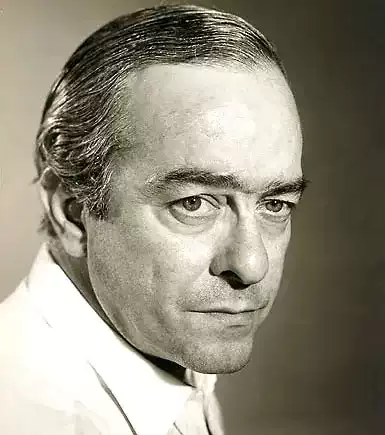
Vinicius de Moraes
Vinicius de Moraes was a Brazilian poet, playwright, journalist, and composer, considered one of the greatest exponents of lyric poetry in the Portuguese language. His work is marked by deep lyricism, exploring themes such as love, beauty, melancholy, and everyday life, with an accessible and musical language. He is also remembered as one of the fathers of Bossa Nova, having composed several songs that became classics of Brazilian popular music.
Arnaldo Antunes
Arnaldo Antunes is a Brazilian poet, singer, and songwriter, known for his multifaceted work that spans music, poetry, and visual arts. His career is marked by experimentation and the constant search for new forms of expression. With a language that often explores wordplay, sound, and visuality, Antunes has established himself as one of the most relevant figures in contemporary Brazilian poetry, engaging with different artistic and cultural currents.
Carlos Drummond de Andrade
Carlos Drummond de Andrade was one of the most important Brazilian poets, considered one of the greatest names in Portuguese-language literature. His work, marked by irony, reflection on the human condition, lyricism, and social criticism, addressed universal themes such as love, death, time, memory, and the individual's relationship with society. Drummond left a very rich poetic legacy, characterized by his accessible yet profound language and his ability to capture the essence of everyday life.
Haroldo de Campos
Haroldo de Campos was a Brazilian poet, translator, essayist, and literary critic, a central figure of concretism. His work is marked by linguistic experimentation and the pursuit of a poetry that transcended the barriers of traditional language, exploring the visuality and sonority of words. He was one of the founders of the concretist movement in Brazil and an intellectual of vast influence, with a production that spanned poetry, literary theory, and translation.
Haroldo de Campos
Haroldo de Campos was a Brazilian poet, translator, essayist, and literary critic, a central figure of concretism. His work is marked by linguistic experimentation and the pursuit of a poetry that transcended the barriers of traditional language, exploring the visuality and sonority of words. He was one of the founders of the concretist movement in Brazil and an intellectual of vast influence, with a production that spanned poetry, literary theory, and translation.
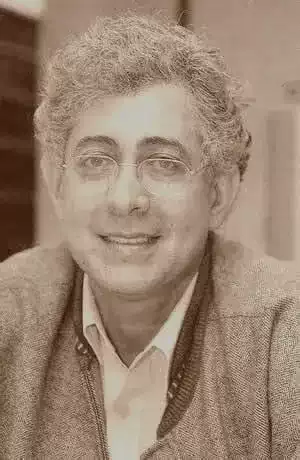
Moacir Amâncio
Moacir Amâncio is a poet known for his introspective poetry and for exploring universal themes such as loneliness, the passage of time, and the search for meaning. His work, characterized by dense and imagistic language, reflects a deep sensitivity and a constant questioning of the human condition. Amâncio is considered a unique voice in contemporary poetry, capable of evoking deep emotions and reflections with surprising economy of means.
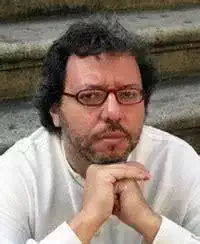
Carlito Azevedo
Carlito Azevedo is a Brazilian poet, translator, and editor. His poetic work is marked by concise and imagistic language, exploring themes of everyday life, memory, and the human condition with a tone that is sometimes melancholic, sometimes ironic. As an editor, he played a relevant role in the dissemination of contemporary poetry, and as a translator, he brought important works of foreign literature into Portuguese. His work in the literary scene, both as a creator and a cultural agent, has solidified his position in recent Brazilian poetry.
Affonso Ávila
Affonso Ávila was a Brazilian poet, essayist, professor, and literary critic, a prominent figure of the third generation of Modernism. His poetic work is marked by a profound reflection on the human condition, the ephemerality of time, and the search for meaning in a constantly changing world. As an essayist and critic, he contributed significantly to the understanding of Brazilian literature.
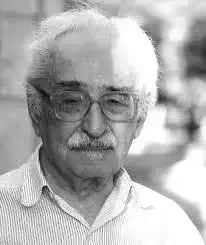
Manoel de Barros
Manoel de Barros was a Brazilian poet whose verses explored childhood, nature, and daily life with a unique and inventive language. His work is marked by a deep sensibility towards the rural world and the simple elements of life, which he elevated to a lyrical and philosophical level. His ability to reinvent words and create surprising images from the mundane made him one of the most beloved and original figures in contemporary Brazilian poetry.
Alice Ruiz
Alice Ruiz is a Brazilian poet and translator, recognized for her concise poetic work, marked by formal experimentation and reflection on the everyday, memory, and human relationships. Her poetry, often presented in brief formats, such as haiku and short poems, reveals a remarkable capacity for synthesis and a unique sensitivity for capturing the essence of moments. She is also an important figure in literary translation, with significant contributions to the dissemination of foreign poetry in Brazil.
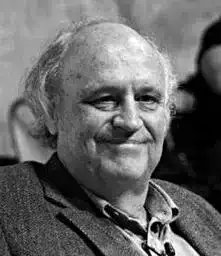
Francisco Alvim
Francisco Alvim is a Brazilian poet whose work is characterized by fine irony, subtle humor, and a disenchanted view of reality. His poetry moves between the everyday and the existential, capturing the small contradictions and absurdities of modern life with a colloquial and precise language. With verses that frequently dismantle expectations and reveal the fragility of certainties, Alvim builds a poetic universe where reflections on time, memory, and the art of writing itself intertwine, inviting the reader to a critical and, at times, melancholic look at the world.
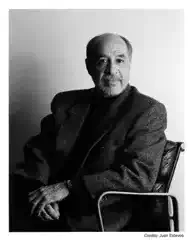
Antonio Fernando De Franceschi
Antonio Fernando De Franceschi was a Brazilian poet and writer, whose work is part of the context of Brazilian Modernism. His poetry is characterized by innovative language, exploration of urban and existential themes, and a strong influence from European avant-garde movements. He was one of the pioneers in incorporating elements of modern life into poetry, exploring rhythm and fragmentation to express the complexity of the contemporary world. His work, although not as extensive as that of other modernists, is relevant for its originality and its contribution to the renewal of poetic language in Brazil.
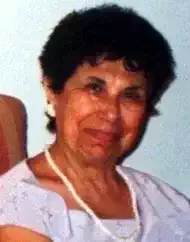
Ilka Brunhilde Laurito
Ilka Brunhilde Laurito is a Brazilian poet and writer, known for her work that navigates between lyricism and reflection on existential and social themes. Her poetry is marked by sensitivity in the approach to feelings, formal delicacy, and a deep connection with nature and the feminine universe. With an evocative and imagistic language, Laurito constructs a poetic universe that invites contemplation and introspection, establishing herself as a unique voice in contemporary poetry.
Armando Freitas Filho
Armando Freitas Filho was a Brazilian poet whose work stood out for its formal experimentation and exploration of themes such as memory, time, and the human condition. His poetry is marked by dense language and a profound reflection on language and poetry itself. Throughout his career, he consolidated a unique style that dialogues with tradition while pointing towards the avant-garde. His contribution to Brazilian literature is recognized for its originality and ability to move between lyricism and metalanguage, leaving a legacy of works that continue to challenge readers and critics.
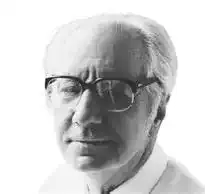
Alphonsus de Guimaraens Filho
Alphonsus de Guimaraens Filho was a Brazilian poet, son of the renowned poet Alphonsus de Guimaraens, following in his father's footsteps in literature with a body of work marked by musicality, mysticism, and deep religious sensibility. His poetry, although sometimes associated with symbolism, developed its own voice, exploring themes of faith, transcendence, love, and the search for ideal beauty. His delicate and evocative lyrics contribute to the rich tapestry of Brazilian poetry.
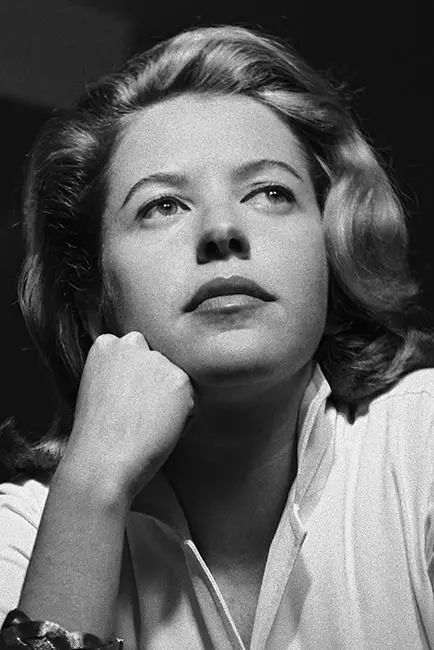
Hilda Hilst
Hilda Hilst was one of the most unique and transgressive voices in Brazilian literature. Her work, which moves between poetry, novels, and plays, is marked by a visceral exploration of sexuality, religiosity, death, and language itself, in a dense, dreamlike style of great lyrical intensity.
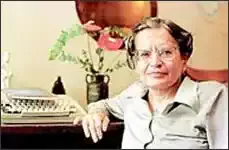
Orides Fontela
Orides Fontela was a Brazilian poet whose work stands out for its lyrical intensity and exploration of universal themes. Her poetry is marked by precise language and profound reflection on existence, time, and the human condition. Despite a relatively concise production, she left an indelible mark on Brazilian literature through her originality and the expressive power of her verses.
Francisco Alvim
Francisco Alvim is a Brazilian poet whose work is characterized by fine irony, subtle humor, and a disenchanted view of reality. His poetry moves between the everyday and the existential, capturing the small contradictions and absurdities of modern life with a colloquial and precise language. With verses that frequently dismantle expectations and reveal the fragility of certainties, Alvim builds a poetic universe where reflections on time, memory, and the art of writing itself intertwine, inviting the reader to a critical and, at times, melancholic look at the world.

Rubens Rodrigues Filho
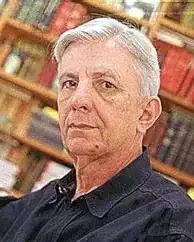
Sebastião Uchoa Leite
Sebastião Uchoa Leite was a Brazilian poet, literary critic, and translator, a prominent figure in contemporary poetry. His work, marked by intelligence, irony, and profound reflection on language and the human condition, oscillates between lyricism and essayism. He was also an important disseminator of foreign literature in Brazil, through his translations and reviews.
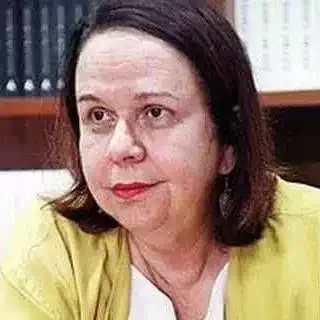
Lélia Coelho Frota
Lélia Coelho Frota was a multifaceted figure, standing out as a Brazilian anthropologist, writer, and researcher. Her work is marked by a profound investigation into Brazilian culture, identity, and social manifestations, with a particularly close look at issues of gender and representation. As a writer, she moved between academic essays and fiction, always with a vigorous style and an unparalleled capacity for analysis. Her legacy lies in her contribution to understanding complex aspects of Brazilian society and in how, through her research and writings, she illuminated previously little-explored themes, especially concerning the female universe and cultural diversity.
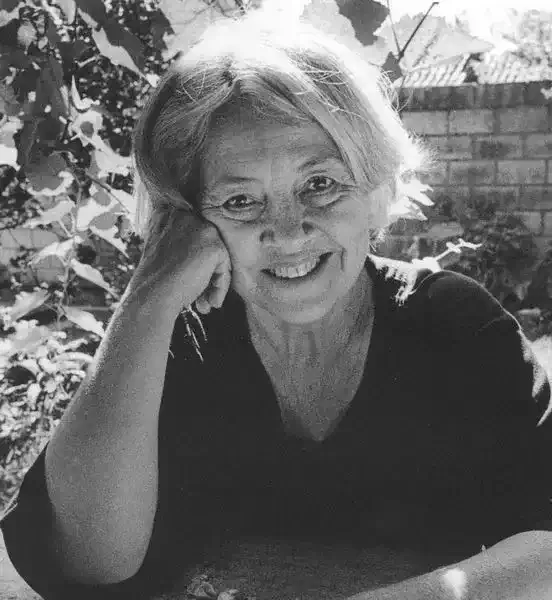
Adélia Prado
Adélia Prado is a contemporary Brazilian poet, known for her poetry that intertwines the everyday with the sacred, the profane with the spiritual, and the trivial with the transcendent. Her work, marked by direct, colloquial, and sometimes unexpectedly lyrical language, reflects a profound contemplation of the female condition, faith, the body, death, and the search for meaning in a reality often devoid of transcendence. Prado offers a unique vision of urban life and human relationships, where poetry emerges from the simplest gestures and most common moments, revealing the beauty and mystery hidden in everyday experience.
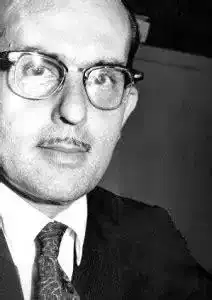
Domingos Carvalho da Silva

Domingos Carvalho da Silva was a Portuguese poet whose work is notable for its strong connection to the land, traditions, and the Portuguese popular soul, with a rural and expressive language. His poetry, rooted in the lyricism of everyday life and the exaltation of simple living, brings the sonority, customs, and feelings of the people to the literary universe, giving him a unique place in Portuguese poetry.

Yone Giannetti Fonseca
Yone Giannetti Fonseca is a notable figure in Brazilian poetry, especially associated with the surrealist movement. Her work is marked by the exploration of the unconscious, dreams, and the irrational, using an imagistic and dreamlike language. Fonseca addresses themes such as love, death, eroticism, and social criticism, often in a transgressive and provocative manner. Her style is characterized by formal freedom, the breaking of conventional logic, and the pursuit of an authentic expression of the inner self.
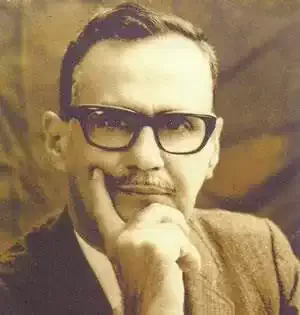
Mauro Mota
Poet, journalist, and Brazilian professor, Mauro Mota stood out for his lyricism deeply connected to the identity and landscape of the Northeast. His work explores the cultural and social richness of the region, often with a tone of exaltation and a sharp eye on its contradictions. His poetry is marked by accessible language, yet rich in imagery and musicality, reflecting a strong social consciousness and a genuine love for his land. He became a representative voice of Northeastern poetry in the Brazilian literary scene.
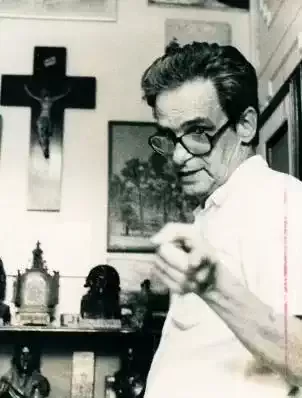
José Paulo Moreira da Fonseca
José Paulo Moreira da Fonseca was a multifaceted Portuguese artist, recognized as a poet, painter, and sculptor. His poetic work is distinguished by its lyrical depth and exploration of universal themes, reflecting a keen sensitivity to the complexities of human existence. As a painter and sculptor, he demonstrated equally remarkable talent, exploring different artistic languages to express his worldview. His artistic production, although not always widely publicized during his lifetime, left an indelible mark on the Portuguese cultural landscape. His poetic work, in particular, continues to be valued for its originality and its ability to touch the reader with its honesty and beauty.
Lêdo Ivo
Lêdo Ivo is a Brazilian poet, novelist, short-story writer, and essayist, a prominent figure in contemporary literature. His work, marked by a profound lyrical sensibility and a reflection on the human condition, explores themes such as memory, time, identity, and the northeastern landscape. With an elegant style and precise language, Ivo has built a consistent and influential body of work, establishing himself as one of the great names in Brazilian poetry.
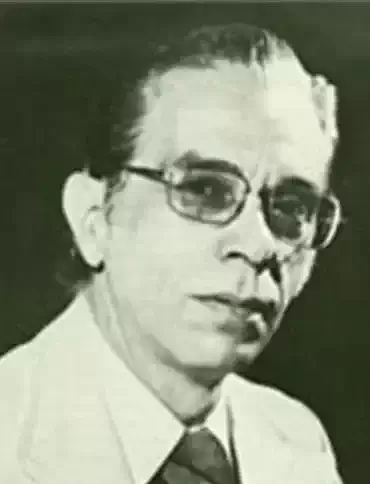
Geraldo Pinto Rodrigues
Geraldo Pinto Rodrigues is a Portuguese poet whose contributions to literature span various facets of poetic creation. His work, often immersed in reflections on existence and the human condition, reveals a deep mastery of language and a refined sensitivity for capturing life's nuances. Rodrigues holds a place in the literary scene for his ability to engage with classic poetic themes, offering new perspectives and emotions.
Dora Ferreira da Silva
Dora Ferreira da Silva was a Brazilian poet, known for her lyrical and reflective work. Her poetry explores themes such as love, the ephemerality of time, and the search for meaning, often permeated by a gentle melancholy and profound sensitivity. With refined language and a style marked by musicality and lexical precision, the author left a legacy of poems that continue to resonate with their authenticity and emotional depth. Her contribution to Brazilian poetry is recognized for the originality and strength of her lyrical expression.
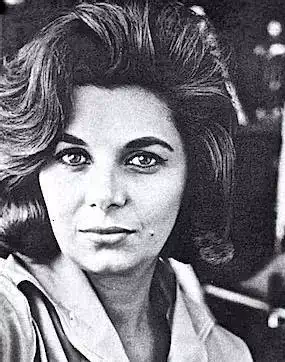
Lupe Cotrim Garaude
Lupe Cotrim Garaude was a Brazilian writer, known for her participation in the modernist movement and for her poetic work that explored sensitivity and introspection. Her writing is characterized by lyrical language and an exploration of themes such as nature, identity, and human relationships, reflecting the cultural effervescence of Brazil in the early decades of the 20th century. Despite a less extensive literary production than that of other contemporaries, she left a mark on Brazilian poetry with her authentic voice and her ability to express the complexity of the female universe.

Stella Carr
Stella Carr was a prominent figure in literature, known for her multifaceted writing that spanned poetry, prose, and criticism. Her work is marked by a deep social sensibility and an unparalleled ability to capture the complexity of human relationships and social issues. Her poetry, in particular, stands out for its expressive power and exploration of existential and collective themes, leaving a significant literary legacy.
Carlos Drummond de Andrade
Carlos Drummond de Andrade was one of the most important Brazilian poets, considered one of the greatest names in Portuguese-language literature. His work, marked by irony, reflection on the human condition, lyricism, and social criticism, addressed universal themes such as love, death, time, memory, and the individual's relationship with society. Drummond left a very rich poetic legacy, characterized by his accessible yet profound language and his ability to capture the essence of everyday life.
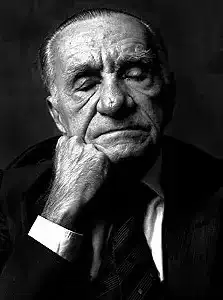
João Cabral de Melo Neto
João Cabral de Melo Neto was one of the most important Brazilian poets of the 20th century. His work is marked by objectivity, formal rigor, and the exploration of language as raw material. He addressed themes such as the Northeastern landscape, the human condition, and poetry itself, with a style often described as concrete and architectural. His poetry seeks precision, clarity, and economy of means, distancing itself from sentimentality and rhetorical excesses.
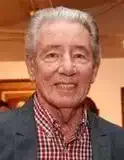
Carlos Soulié do Amaral
Carlos Soulié do Amaral was a Portuguese poet, whose verses explore melancholy, the ephemeral nature of time, and existential introspection. His work, although less known on a large scale, is valued for its lyrical sensitivity and the depth with which it addresses universal themes. His poetry, often associated with a more intimate and reflective aesthetic, invites contemplation and communion with the deepest human feelings.
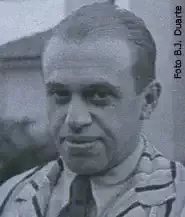
Cassiano Ricardo
Cassiano Ricardo was a Brazilian poet, journalist, and literary critic, a prominent figure of Modernism. He was one of the founders of the magazine "Klaxon", an important vehicle for disseminating modernist ideas. His work, marked by formal and thematic experimentation, addressed themes such as national identity, urbanization, and social criticism, contributing significantly to the renovation of Brazilian poetry.
Cecília Meireles
Cecília Meireles was one of the most important poetesses in the Portuguese language, with a work marked by musicality, lyrical delicacy, and the exploration of themes such as time, ephemerality, childhood, and the search for transcendence. Her poetry, influenced by symbolism and modernism, is characterized by its apparent simplicity, but with deep philosophical and existential complexity. With a vast literary production that includes poetry, short stories, chronicles, and children's literature, Cecília Meireles left an unparalleled poetic legacy, celebrating the beauty of the world and the fragility of existence with a crystalline and imaginative language.
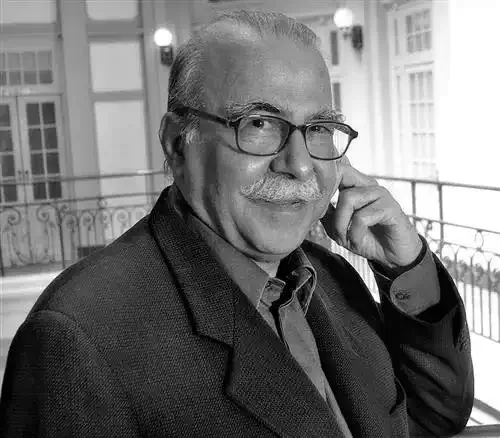
Mário Chamie
Mário Chamie was a Brazilian poet and translator, recognized for his work that moves between tradition and experimentation, exploring themes such as identity, religiosity, love, and the human condition. His poetry is marked by formal rigor, dense language, and innovative imagery, reflecting a deep interest in philosophy and various cultural manifestations. He was also an important promoter of foreign literature in Brazil through his translations.
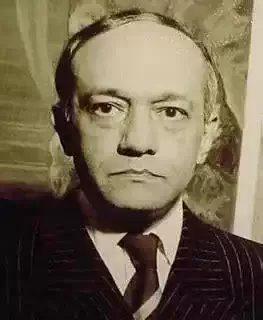
Mário da Silva Brito
Mário da Silva Brito was a Portuguese poet and writer. His work often explored themes of Portuguese identity, history, and the human condition. He is recognized for his contributions to Portuguese literature in the 20th century.

Péricles da Silva Pinheiro
Cassiano Ricardo
Cassiano Ricardo was a Brazilian poet, journalist, and literary critic, a prominent figure of Modernism. He was one of the founders of the magazine "Klaxon", an important vehicle for disseminating modernist ideas. His work, marked by formal and thematic experimentation, addressed themes such as national identity, urbanization, and social criticism, contributing significantly to the renovation of Brazilian poetry.
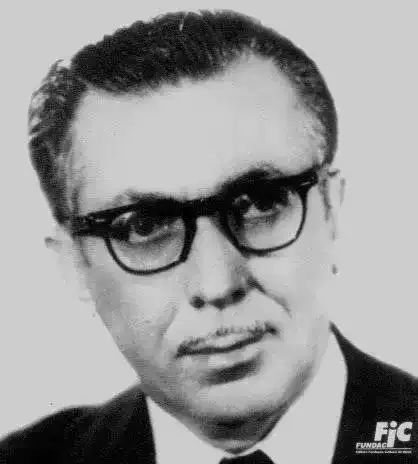
Sosigenes Costa
Sosigenes Costa was a Brazilian poet known for his work that moves between lyricism and existential reflection. His poetry frequently explores melancholy, the passage of time, and the search for meaning amidst reality. His writing is marked by careful language and a refined sensitivity to capture the nuances of the human soul and the ephemeral beauties of the world.
José Paulo Moreira da Fonseca
José Paulo Moreira da Fonseca was a multifaceted Portuguese artist, recognized as a poet, painter, and sculptor. His poetic work is distinguished by its lyrical depth and exploration of universal themes, reflecting a keen sensitivity to the complexities of human existence. As a painter and sculptor, he demonstrated equally remarkable talent, exploring different artistic languages to express his worldview. His artistic production, although not always widely publicized during his lifetime, left an indelible mark on the Portuguese cultural landscape. His poetic work, in particular, continues to be valued for its originality and its ability to touch the reader with its honesty and beauty.