

Awards
Prémio D. Dinis
Description
The D. Dinis Award: Origin and History
The D. Dinis Award, established by the Leiria City Council, is a literary distinction of importance in the Portuguese cultural landscape, aiming to celebrate the historical and literary figure of D. Dinis, the Poet King, and to encourage literary production in Portuguese. Its creation dates back to 1991, the year marking the 700th anniversary of the granting of the Charter of Foral to Leiria by D. Dinis, a historic milestone for the city. The award has established itself as an important catalyst for emerging and established authors, encompassing various aspects of literary creation.
Evolution and Scope of the Award
Originally, the award focused on poetry, reflecting the poetic vocation of the monarch who gives it its name. However, over its editions, the scope of the award has been expanded to include other categories, such as prose (novel and short story), and sometimes even essay, depending on the editions and the decisions of the jury and the promoting entity. This flexibility allows the award to adapt to the dynamics of contemporary literary production and encompass a wider range of talents.
Selection Criteria and Jury
The selection criteria for the winners are defined by the organizing committee and the jury of each edition, which is generally composed of personalities of recognized merit in the field of literature, literary criticism, and academia. The evaluation of the submitted works focuses on literary quality, originality, thematic relevance, mastery of language, and capacity for innovation. The objective is to distinguish works that stand out for their excellence and contribute significantly to the literary heritage in Portuguese.
Cultural and Regional Importance
The relevance of the D. Dinis Award lies not only in its prestige and the visibility it grants to the awarded authors but also in its role in the cultural revitalization of the Leiria region and the promotion of the Portuguese language at national and international levels. The Leiria City Council, by investing in culture and the arts through this award, demonstrates a commitment to valuing the historical and literary legacy of D. Dinis, projecting it into the present and the future.
Impact on the Literary Scene
Throughout its editions, the award has been presented to renowned authors, but it has also served as a platform for discovering new talents, contributing to the renewal of the literary scene. The award ceremony, usually held in Leiria, is a moment of celebration of literature and a meeting point for writers, publishers, critics, and reading enthusiasts.
The Legacy of D. Dinis
The choice of D. Dinis as the patron of the award is particularly significant. D. Dinis was one of the most cultured and active kings in Portugal's history, not only for his political and administrative actions but also for his direct involvement with literary creation. He is attributed with the authorship of important lyric and satirical songs, and it was under his reign that the first University of Portugal was founded in Coimbra in 1290, demonstrating a strong commitment to culture and knowledge. The award, by evoking this figure, aims to perpetuate his memory and his cultural legacy, encouraging creativity and literary expression in modern times.
Winners

J. Rentes de Carvalho


Carlos Ascenso André

Jorge Calado

José Tolentino Mendonça
José Tolentino Mendonça is a Portuguese poet, essayist, and theologian, recognized for the depth and reflection on existential and spiritual themes in his work. His poetry, marked by a refined language and a strong dialogue with the philosophical and literary tradition, explores the human condition, faith, and the search for meaning in a complex contemporary world. With a vast body of work that includes poetry, essays, and academic articles, Tolentino Mendonça is a prominent figure in Portuguese culture, distinguished by his ability to reconcile intellectual rigor with refined lyrical sensitivity. His contribution extends beyond literature, with an active role in cultural and religious debate.

José Viale Moutinho
José Viale Moutinho was a Portuguese poet, short story writer, and novelist, associated with the Portuguese surrealist movement. His work is marked by imagination, the dreamlike, and the exploration of the subconscious, with a style that transitions between the poetic and the narrative. He is known for rich and evocative language.

Jorge Silva Melo

Onésimo Teotónio Almeida

Helder Macedo
Hélder Macedo is a Portuguese poet, essayist, and university professor, whose work stands out for its profound reflection on identity, memory, and the relationship between Portugal and its past. His poetry, marked by great erudition and precise language, explores the tensions between the local and the universal, the historical and the personal. He is a prominent intellectual, with a vast published work spanning poetry, prose, and critical essays, and is also recognized for his academic work in the field of literary and cultural studies. His literary and academic career grants him a prominent place in contemporary Portuguese culture. Hélder Macedo is an unavoidable name for understanding the currents of thought and reflections on Lusophone identity at the end of the 20th and the beginning of the 21st centuries.
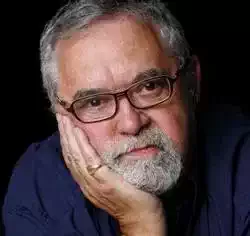
Mário Cláudio
Mário Cláudio is a contemporary Portuguese writer, known for his engaging prose and his ability to explore the complexity of the human condition, memory, and identity. His works, which often delve into the past and its reverberations in the present, are distinguished by their stylistic richness and psychological depth. With a consolidated literary career, Mário Cláudio is a prominent name in Portuguese literature, whose books invite reflection on universal themes, presented through narratives that captivate the reader with their intelligence and sensitivity.
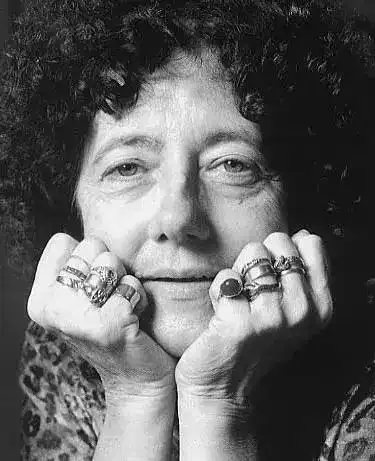
Maria Teresa Horta
Maria Teresa Horta is a Portuguese writer, poet, and journalist, a prominent figure in contemporary literature. Her work, marked by the exploration of the female condition, sexuality, freedom, and identity, is distinguished by its boldness, transgressive language, and profound reflection on the body and desire. Recognized for her interventionist and feminist writing, Maria Teresa Horta has consistently challenged social and literary conventions, promoting a discourse of emancipation and affirmation of the female voice in society and art. She is one of the most unique and influential voices in Portuguese literature of recent decades.

João Barrento

Bernardo de Vasconcelos e Sousa

Nuno Gonçalo Monteiro

Rui Ramos

VÃtor Aguiar e Silva
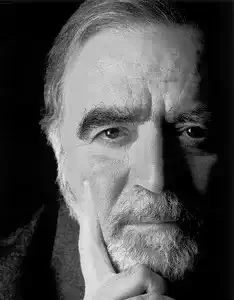
Manuel Alegre
Manuel Alegre is a prominent figure in contemporary Portuguese literature, known for his engaged, lyrical, and deeply human poetry. His work is marked by a strong connection to Portugal's recent history, particularly the period of dictatorship and the struggle for freedom. With a style that combines the power of the word with the subtlety of feeling, Alegre explores themes such as identity, memory, justice, and hope. His poetry, with great popular reach and critical recognition, is a testament to his journey through political life and his experience of the ideals of democracy and civic engagement.
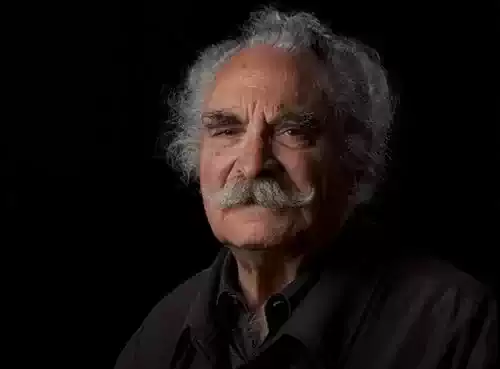
Fernando Echevarría

Fernando Echevarría was a Chilean poet, essayist, and literary critic, known for his significant contribution to contemporary Spanish-language poetry. His work frequently addresses themes such as memory, identity, the passage of time, and the human condition, with an elaborate and reflective language. Echevarría stood out for his erudition and the depth of his literary analyses, also working as a professor and cultural disseminator. His poetry is marked by imagistic density and a constant search for new forms of expression, dialoguing with tradition and exploring the limits of language.
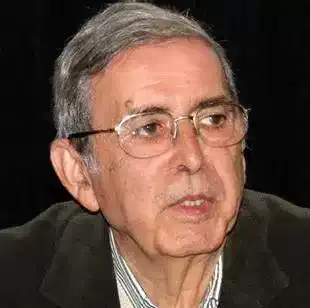
António Manuel Pires Cabral
António Manuel Pires Cabral is a Portuguese poet, essayist, and researcher, whose work is distinguished by its reflection on identity, memory, and the human condition, often rooted in the landscape and culture of Alentejo. His poetry is marked by careful language, a sometimes melancholic tone, and a deep sensitivity to the small things in life and the passage of time. As an essayist and researcher, Pires Cabral has contributed to the study of Portuguese literature and culture, particularly in the field of poetry. His literary and academic work reveals a deep knowledge of literary tradition and a critical perspective on contemporary society.
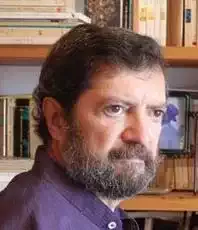
Manuel Gusmão
Manuel Gusmão is a Portuguese poet whose work is distinguished by its rigorous exploration of language and the incessant search for new forms of poetic expression. Throughout his career, Gusmão has developed a poetry that is simultaneously intellectual and visceral, marked by profound reflection on time, memory, identity, and the very nature of poetry. With a body of work that defies easy classification, Gusmão is recognized for his formal experimentation and the density of his poetic discourse. His poetry invites the reader into a complex dialogue, where form and content are intrinsically intertwined, solidifying him as a unique and influential figure in contemporary Portuguese poetry.

Frederico Lourenço
Frederico Lourenço is a Portuguese poet, essayist, translator, and university professor. Recognized for his poetic work that explores language, memory, and the human condition, he also has extensive activity as a translator of classical and contemporary texts, being an unavoidable reference in the field. His writing is marked by erudition, philosophical reflection, and profound musicality.
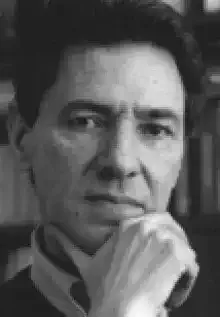
António Franco Alexandre
António Franco Alexandre was a Portuguese poet, known for his complex, erudite, and deeply reflective poetry, often marked by a strong philosophical and existential charge. His work explores themes such as language, memory, time, death, and the human condition, resorting to rigorous vocabulary and elaborate poetic structures. Franco Alexandre is an important figure in Portuguese poetry of the second half of the 20th century, standing out for the originality and depth of his poetic vision.
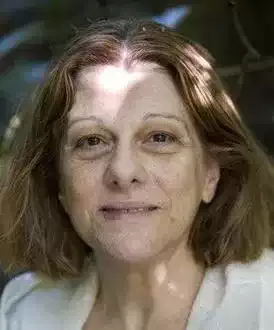
Hélia Correia
Hélia Correia is a notable contemporary Portuguese writer, recognized for her poetic work and her prose of great depth and originality. Her writing is marked by a rich and elaborate language, by the exploration of universal themes such as memory, time, identity, and the female condition, and by a unique sensitivity to the subtleties of human experience. With a solid and multifaceted literary career, Hélia Correia has established herself as one of the most important voices in recent Portuguese literature, influencing generations of readers and writers.

Marcelo Matias
Marcelo Matias is a name that emerges in the contemporary poetic landscape, characterized by a writing that explores the depths of the human condition. His poetic work is distinguished by its sensitivity in approaching themes such as the passage of time, the fragility of relationships, and the search for meaning in a constantly changing world. With careful language and a keen eye for the nuances of existence, Matias crafts verses that resonate with their honesty and capacity to evoke universal emotions. His poetry invites introspection and questioning, establishing an intimate dialogue with the reader.

Gastão Cruz
Gastão Cruz was a Portuguese poet and literary critic, known for his refined and intellectualized poetry. His work explores themes such as memory, time, language, and the ephemerality of existence, with a strong awareness of literary tradition and its reformulation. He was also an important figure in the dissemination and study of literature, with a career marked by erudition and aesthetic sensitivity.
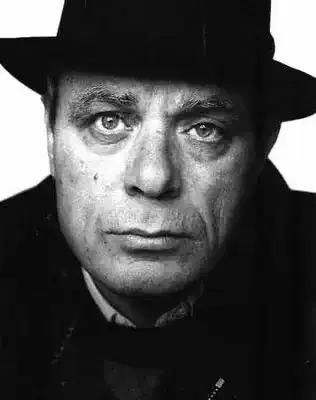
António Lobo Antunes
António Lobo Antunes is one of the most prominent contemporary Portuguese writers, known for his complex work deeply marked by the experiences of the Colonial War in Africa. His writing, characterized by a non-linear narrative structure, the use of multiple points of view, and dense, often fragmented language, explores themes such as memory, madness, violence, guilt, and identity. Lobo Antunes is internationally recognized for his contribution to world literature.
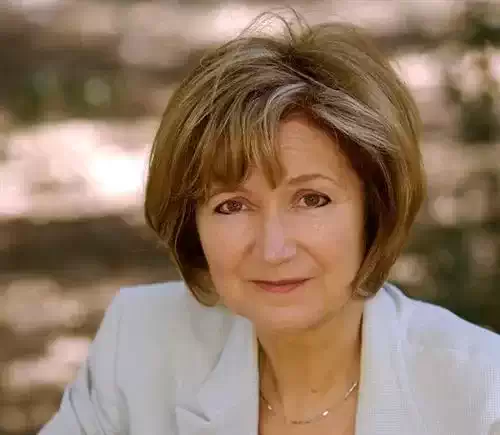
Lídia Jorge
Lídia Jorge is one of the most prominent and celebrated contemporary Portuguese writers, with a vast body of work that spans poetry, novels, and short stories. Her writing is often characterized by psychological depth, the exploration of themes such as memory, identity, the female condition, the history of Portugal, and the complexity of human relationships. With a rich and evocative language, Lídia Jorge has been building a significant literary legacy, marked by sensitivity, intelligence, and a critical look at society. Recognized with multiple national and international awards, her work is translated into several languages, attesting to her importance in the global literary scene. Lídia Jorge is an indispensable voice in Portuguese-language literature, whose work continues to captivate and provoke reflection in its readers.

José Cardoso Pires
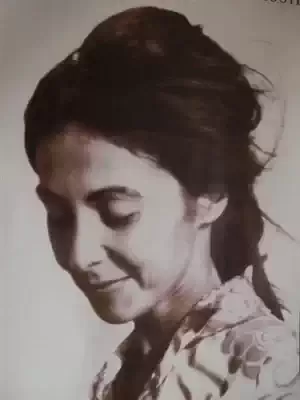
Fiama Hasse Pais Brandão
Fiama Hasse Pais Brandão was a Portuguese poet, playwright, and translator, known for her work marked by formal experimentation and the exploration of existential and social themes. Her writing is characterized by dense language and a strong rhythmic component, often associated with the Surrealist movement and concrete poetry. Throughout her career, she explored various forms of expression, including theater and poetic performance, leaving a significant legacy in contemporary Portuguese-language poetry.

Eduardo Lourenço
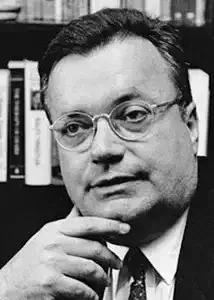
Luís Filipe Castro Mendes
Luís Filipe Castro Mendes is a poet and essayist whose work is characterized by intelligence, erudition, and a profound reflection on the human condition, art, and society. His poetry, which oscillates between lyricism and essayism, addresses themes such as time, memory, identity, culture, and civic engagement, with careful language and notable formal rigor. With a multifaceted career, which also includes political and diplomatic activity, Castro Mendes builds a coherent and consistent body of work, marked by an attentive gaze on the world and its contradictions. His poetry is an invitation to contemplation and critical thinking, engaging with the literary tradition while proposing an innovative look at contemporary issues, establishing himself as one of the most significant voices in Portuguese literature.

Joaquim Manuel Magalhães
Joaquim Manuel Magalhães was a Portuguese poet, journalist, and politician, a prominent figure of the Romantic movement in Portugal. His poetic work, marked by intense lyricism and themes such as love, homeland, and saudade, had a significant impact on Portuguese literature. Besides poetry, Magalhães dedicated himself to journalism and politics, holding public office and defending liberal ideas.
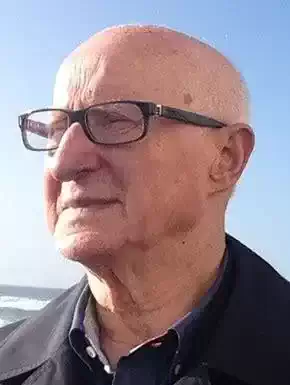
José Bento
José Bento was a Portuguese poet, translator, and professor, known for his poetic work marked by a profound reflection on existence, time, and the human condition. His writing, although sometimes dense and hermetic, reveals a sharp sensitivity and a remarkable command of language. Throughout his career, he also dedicated himself to translating important literary works, contributing to the dissemination of foreign literature in Portugal. His poetry is often associated with a spiritual quest and existential questioning.

M. S. Lourenço
M. S. Lourenço is an author whose literary work is characterized by its intellectual depth and its ability to articulate philosophical reflection with poetic expression. His writing explores complex themes, often linked to the human condition, memory, identity, and the very nature of literature. With rigorous language and keen sensitivity, Lourenço constructs texts that invite meditation and critical analysis, challenging the reader to a deeper exploration of the concepts addressed. His work is distinguished by the subtlety and relevance of its observations, reflecting a mind attentive to the multifaceted realities of being and knowing. Through prose or poetry situated at the intersection of the essayistic and the lyrical, M. S. Lourenço establishes a fruitful dialogue with the literary and philosophical tradition, while simultaneously projecting a contemporary vision of the dilemmas of the current world. His literary contribution is marked by intellectual rigor and the incessant search for precision and meaning.
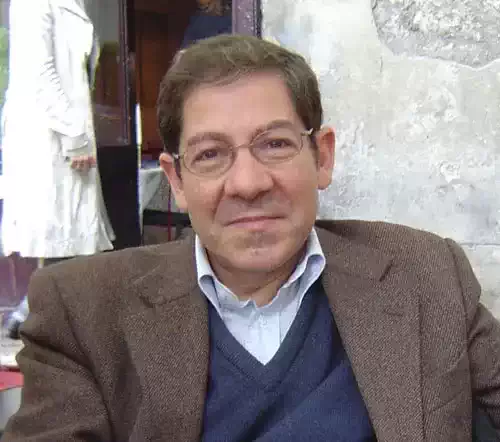
Nuno Júdice
Nuno Júdice was a prominent Portuguese poet, essayist, novelist, and literary critic. His poetic work is characterized by intelligence, irony, and a constant questioning of language, identity, and reality itself. With a style that moves between the lyrical and the reflective, Júdice addressed universal themes such as time, memory, love, and the human condition, always with a sharp eye on the paradoxes of existence. His vast output, recognized nationally and internationally, establishes him as one of the most important authors of contemporary Portuguese-language literature.
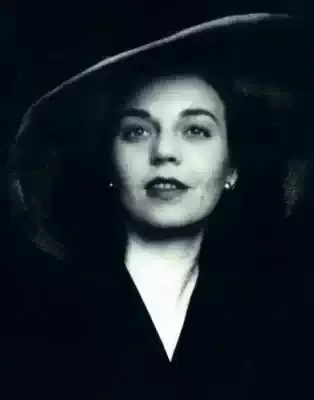
Sophia de Mello Breyner Andresen
Sophia de Mello Breyner Andresen was one of the most prominent poets in the Portuguese language, known for her refined lyricism, clarity of thought, and deep connection with Ancient Greece and nature. Her poetic work is marked by a constant search for justice, beauty, and truth, exploring universal themes such as love, death, time, and the human condition, always with a focus on redemption and hope. Her poetry is recognized for its moral strength and formal elegance, combining tradition with a contemporary and accessible language, which made her an essential figure in 20th and 21st-century Portuguese literature.

Luísa Costa Gomes
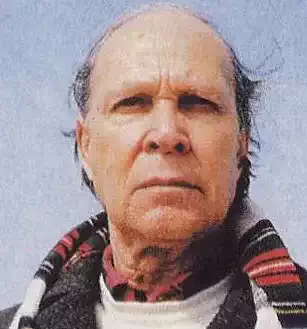
Eugénio de Andrade
Eugénio de Andrade was one of the most important Portuguese poets of the 20th century, known for the purity and musicality of his language, and for his deep connection to nature, the body, and sensory experience. His work is characterized by a refined lyricism that celebrates life, light, and beauty, without ignoring the darker dimensions of existence. With poetry distinguished by its conciseness, clarity, and apparent simplicity that hides great reflective depth, Eugénio de Andrade consolidated an unmistakable style and a unique voice in contemporary Portuguese-language poetry.
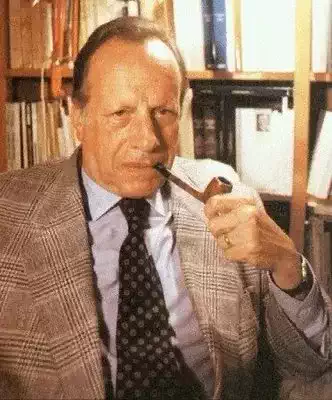
David Mourão-Ferreira
David Mourão-Ferreira was a prominent Portuguese poet, writer, and literary critic. His poetic work, marked by profound lyrical sensitivity and refined formal rigor, explored themes such as love, time, and the ephemerality of existence, often with a pure language and unparalleled musicality. In addition to his vast literary production, David Mourão-Ferreira was actively involved in criticism and cultural promotion, leaving a significant legacy in the Portuguese literary landscape.

Mário de Carvalho
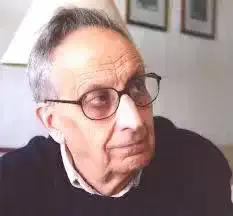
Fernando Guimarães
Fernando Guimarães is a contemporary Portuguese poet, recognized for his profound exploration of the human condition, memory, and the passage of time. His poetic work, marked by careful language and unique sensitivity, reflects on the fragility of existence and the search for meaning in a constantly changing world. With a consolidated career, the poet has been building a body of work that affirms him as a relevant voice in modern Portuguese poetry.

Maria Gabriela Llansol
Maria Gabriela Llansol was a writer and translator of great sensitivity, whose work is distinguished by its philosophical depth and exploration of the human condition. Her writing, often marked by a confessional and introspective tone, addresses themes such as memory, identity, solitude, and the search for meaning in a complex world. Llansol stood out for her precise and evocative language, creating unique literary universes that invite reflection on existence and its multiple facets.
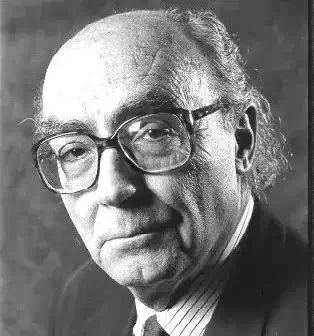
José Saramago
José Saramago was a Portuguese writer, awarded the Nobel Prize in Literature in 1998. His work, profoundly humanistic and critical, addresses existential, social, and political issues with a unique narrative style, marked by the absence of conventional punctuation in dialogue and by long sentences. He explored the human condition, memory, identity, and power, leaving a significant literary legacy. His writing is recognized for its complexity, philosophical reflection, and ability to question social structures and human behavior, inviting the reader to a deep immersion in dense and thought-provoking fictional universes.
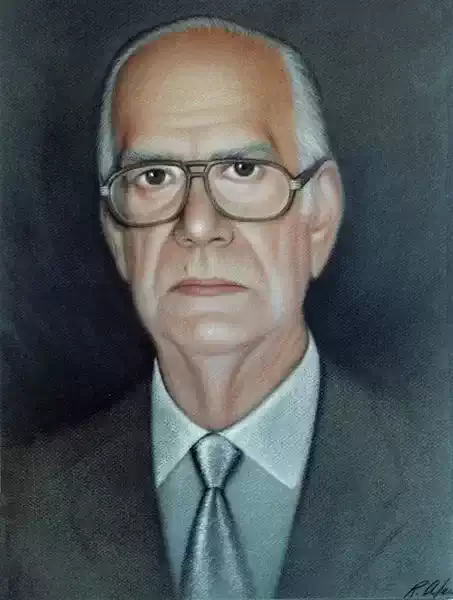
Camilo José Cela
Camilo José Cela was a prominent Spanish writer, awarded the Nobel Prize in Literature in 1989. His work, which includes novels, short stories, and poetry, is known for its rich language, raw realism, and exploration of the complexities of Spanish society. He is considered a central figure in 20th-century Spanish literature, particularly known for novels such as "The Family of Pascual Duarte" and "The Hive," which portray the harsh reality of post-civil war Spain.

Maria Velho da Costa
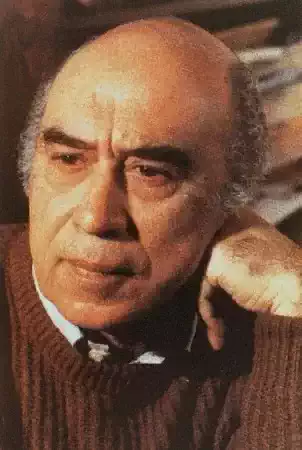
Fernando Namora
Fernando Namora was a Portuguese doctor and writer, a prominent figure of the 1940s generation, also known as the "Geração de Orpheu." His literary work, in both prose and poetry, reflects a deep humanism, a keen eye on the human condition, and a strong social commitment. He addressed themes such as memory, identity, loneliness, and the search for meaning, often drawing inspiration from his experiences as a doctor. His writings are marked by precise and sensitive language, capable of capturing the nuances of human behavior and the complexity of interpersonal relationships. Namora left an important legacy in Portuguese literature, with works that continue to be studied and appreciated for their literary quality and thematic depth.
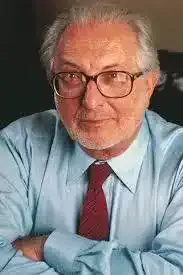
Pedro Tamen
Pedro Tamen was a Portuguese poet whose work stood out for its authenticity, for exploring themes such as identity, memory, the land, and the human condition, with a refined language and a strong lyrical charge. His poetry is marked by a deep sensibility and by a continuous reflection on the passage of time and the search for meaning. Tamen established himself as an important voice in contemporary Portuguese poetry, valued for his ability to express universal feelings with a genuine and unique voice.
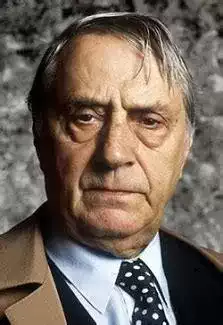
Vergílio Ferreira
Vergílio António Ferreira was a highly influential Portuguese writer, poet, novelist, playwright, essayist, and literary critic. He is regarded as one of the most significant figures in 20th-century Portuguese literature, known for his intellectual depth and exploration of existential themes. His work often grapples with questions of identity, freedom, and the human condition.
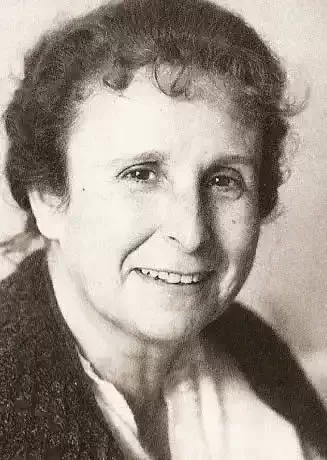
Agustina Bessa-Luís
Agustina Bessa-Luís was a renowned Portuguese writer, whose work stood out for its psychological depth, exploration of complex themes, and vigorous and innovative narrative style. Throughout her extensive career, she masterfully addressed the human condition, family relationships, the social dimension, and the history of Portugal, establishing herself as one of the most important voices in contemporary Lusophone literature.

Almeida Faria
Almeida Faria is a recognized name in the literary scene, with a work that spans various genres, including poetry and prose. His creations are often praised for their lyrical depth and exploration of universal themes such as love, loss, and the human condition. The author stands out for his ability to create vivid imagery and convey emotions pungently. Almeida Faria has a distinctive style that combines the musicality of language with a philosophical reflection on life and existence.