

Awards
Nobel Prize in Literature
Nobel de Literatura
Description
Origin and foundation
The Nobel Prize in Literature is one of the most prestigious literary awards in the world, awarded annually by the Swedish Academy. It was established by Alfred Nobel, a Swedish industrialist and chemist, in his 1895 will, as part of a set of prizes intended to recognize achievements in physics, chemistry, medicine, literature, and peace. The literature prize aims to honor an author who, in Nobel's words, "produced the most outstanding work in an ideal direction for humanity".
Nomination process
The Swedish Academy, composed of 18 lifetime-elected members, is responsible for selecting the laureates. The nomination process is rigorous and confidential. Each year, the Academy sends invitations to thousands of qualified individuals—including members of literary academies, university professors of literature and arts, former Nobel laureates in literature, and presidents of writers' associations—to nominate candidates. The deadline for submitting nominations is usually January 31st of the year the prize is awarded.
Deliberation and final decision
After receiving nominations, a Nobel Committee for Literature, composed of four or five members of the Swedish Academy, examines the candidacies. This committee prepares a report with a shortlist of candidates, which is then submitted to the full Academy for deliberation. The final decision is made by vote, and a simple majority is sufficient to choose the laureate. The announcement of the winner is made in early October.
Award criteria
The criteria for awarding the prize are broad and interpreted by the Academy. While the author's complete body of work is considered, the focus is on literary quality, originality, thematic depth, and humanistic impact. There are no specific categories within the literature prize; it encompasses all literary genres, including poetry, prose (novel, short story), drama, and essay. The Swedish Academy seeks to recognize authors who, through their writing, have significantly contributed to the advancement of literature and the understanding of the human condition.
Relevance and impact
The relevance of the Nobel Prize in Literature is immense. It confers global recognition on the laureate's work, significantly increasing their visibility and book sales worldwide. Furthermore, the prize highlights the importance of literature as an art form and as a vehicle for social, political, and philosophical reflection. Throughout its history, the prize has been awarded to a wide range of authors from different nationalities and styles, reflecting the diversity and richness of world literature. There have been times when the choice of laureates has generated debate, with some criticizing the Academy for sometimes favoring European authors or for overlooking voices from other regions of the world. However, in recent decades, there has been a notable effort to diversify the laureates, including more authors from Africa, Asia, and Latin America.
Trivia
Alfred Nobel stipulated that the prize should be awarded to "a writer", not a specific work, although the complete body of work is evaluated. The monetary value of the prize varies annually, depending on the income of the Nobel fund, but it is always a substantial amount. The prize is presented at a ceremony in Stockholm on December 10th, the anniversary of Alfred Nobel's death. Some notable authors who have refused the prize include Jean-Paul Sartre and Boris Pasternak, though for different reasons. The Nobel Prize in Literature continues to be a beacon for literary excellence and a catalyst for global dialogue on art and society.
Winners

László Krasznahorkai


Han Kang

Han Kang is a South Korean writer whose work explores themes of trauma, memory, identity, and the complexities of the human condition. Her prose is often visceral and poetic, delving into the depths of the human psyche and confronting difficult aspects of history and society.

Jon Fosse

Jon Fosse is a Norwegian writer and playwright, widely recognized for his minimalist and theatrical prose. His work is characterized by lean language, repetitions, and a focus on exploring human emotions and interpersonal relationships. Fosse addresses themes such as love, death, faith, and loneliness, often through interior monologues and fragmented dialogues.

Annie Ernaux


Abdulrazak Gurnah
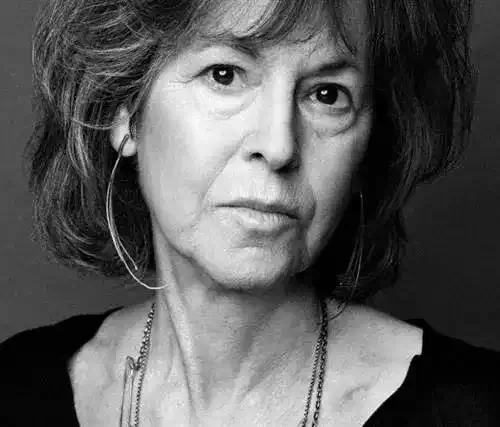
Louise Glück

Louise Glück was an American poet known for her lyrical and introspective writing, which frequently explored themes of loss, desire, family, and nature. Her work is marked by raw emotional intensity, direct language, and careful structure, often revisiting classical myths and fairy tales to explore the human psyche. Throughout her career, Glück received widespread acclaim, culminating in the Nobel Prize in Literature in 2020, solidifying her place as one of the most significant voices in contemporary American poetry.

Peter Handke


Olga Tokarczuk

Olga Tokarczuk is a prominent Polish writer, awarded the Nobel Prize in Literature in 2018, whose work is recognized for its originality, philosophical depth, and innovative approach to narrative. Her works challenge literary conventions, blending genres and perspectives to create complex universes that reflect on history, identity, nature, and the human condition. Tokarczuk is a powerful voice in contemporary world literature, distinguished by her ability to weave stories that resonate with existential and social issues.

Kazuo Ishiguro

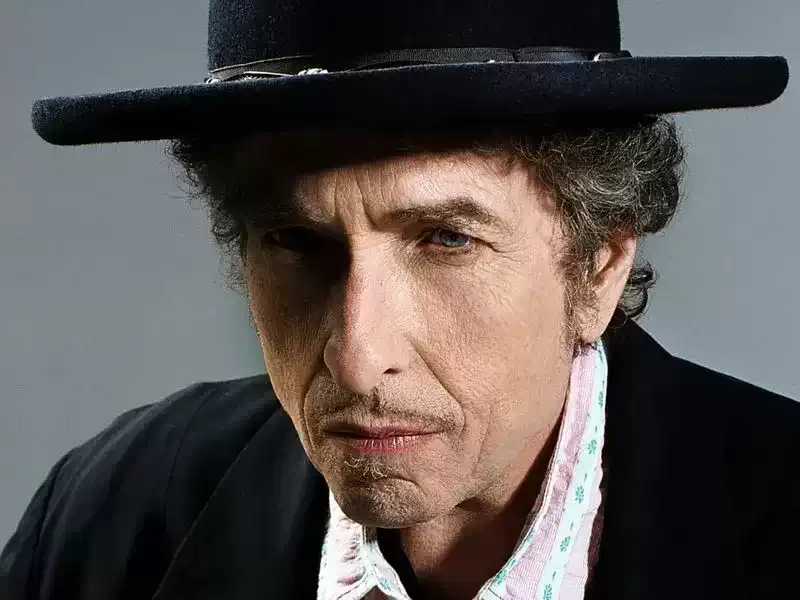
Bob Dylan
Bob Dylan is an American singer, songwriter, multi-instrumentalist, and writer, widely regarded as one of the greatest figures in 20th and 21st century popular music. His work is known for its complex lyrical poetry, catchy melodies, and for addressing themes such as politics, love, existentialism, and social criticism.

Svetlana Alexievich


Patrick Modiano

Alice Munro

Mo Yan
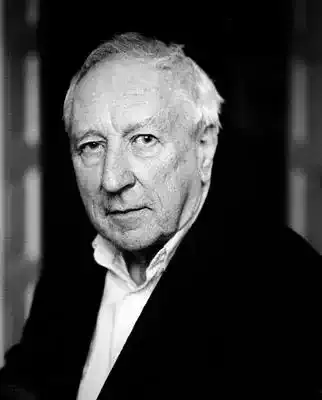
Tomas Tranströmer

Tomas Tranströmer was a Swedish poet and psychologist, widely recognized for his lyrical and introspective work that explores the relationship between nature, the self, and the world. His poetry is characterized by clarity, imagination, and the ability to evoke deep moods through vivid imagery and a contemplative rhythm. He was awarded the Nobel Prize in Literature in 2011, distinguished for his unique voice in contemporary poetry.

Mario Vargas Llosa
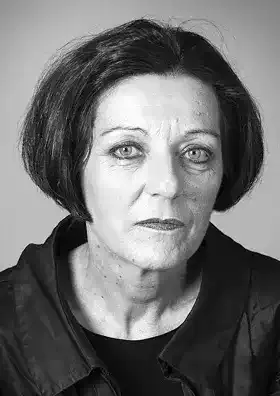
Herta Müller

Herta Müller is a Romanian-German writer and poet, known for her work portraying life under the communist dictatorship in Romania. Her writing is marked by raw language and powerful imagery, exploring themes of oppression, identity, and memory. Born in Nițchidorf, Romania, Müller emigrated to West Germany in 1987. She received the Nobel Prize in Literature in 2009, being recognized for "with the force of poetry and the frankness of prose, she depicts the landscape of the vanquished".

J. M. G. Le Clézio
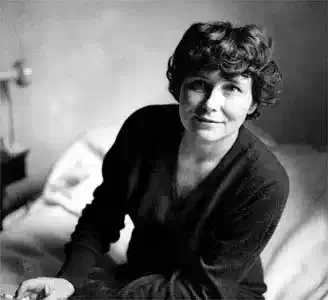
Doris Lessing
Doris Lessing was an Anglo-Iranian novelist and short-story writer, known for her works that explore social, political, and psychological issues, with a strong inclination towards science fiction and feminism. She was awarded the Nobel Prize in Literature in 2007.
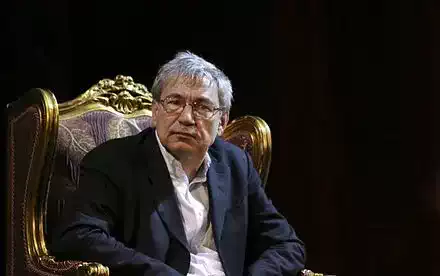
Orhan Pamuk

Harold Pinter
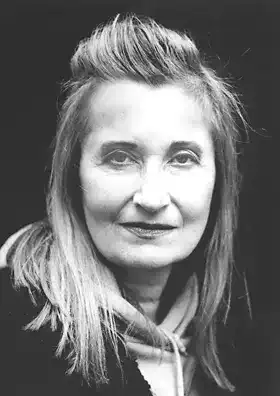
Elfriede Jelinek
Elfriede Jelinek is an Austrian writer awarded the Nobel Prize in Literature in 2004. Her work is known for its critical exploration of power structures, sexuality, politics, and for its use of transgressive and fragmented language. Jelinek addresses themes such as fascism, patriarchy, and consumer society in her works.
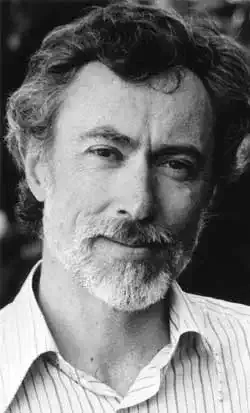
J. M. Coetzee
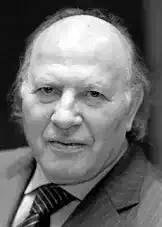
Imre Kertész
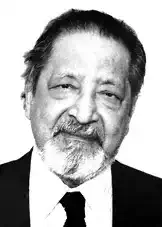
V. S. Naipaul
V. S. Naipaul
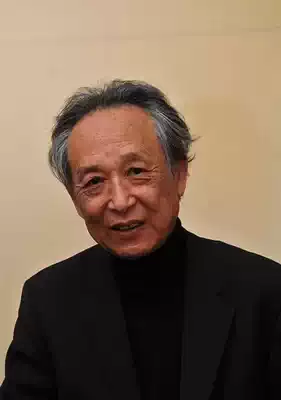
Gao Xingjian
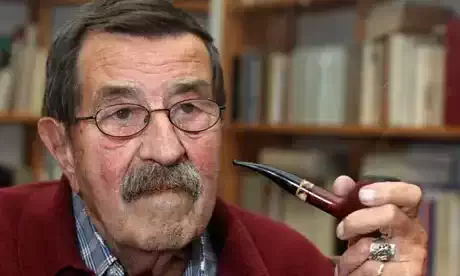
Günter Grass
Günter Grass was a German writer, born in 1927 and died in 2015, winner of the Nobel Prize in Literature in 1999. He is one of the most influential and recognized German-language authors of the post-war period, known for his works that address German history, guilt, and collective memory.
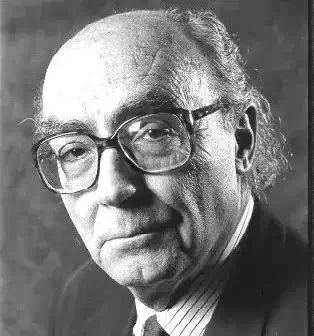
José Saramago

José Saramago was a Portuguese writer, awarded the Nobel Prize in Literature in 1998. His work, profoundly humanistic and critical, addresses existential, social, and political issues with a unique narrative style, marked by the absence of conventional punctuation in dialogue and by long sentences. He explored the human condition, memory, identity, and power, leaving a significant literary legacy. His writing is recognized for its complexity, philosophical reflection, and ability to question social structures and human behavior, inviting the reader to a deep immersion in dense and thought-provoking fictional universes.

Dario Fo

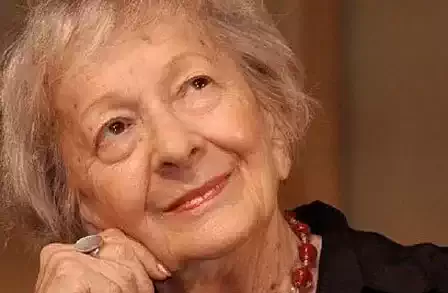
Wisława Szymborska
Wisława Szymborska was a Polish poet, essayist, and translator, awarded the Nobel Prize in Literature in 1996. Her poetry is known for its clarity, irony, and the ability to find the extraordinary in the everyday, exploring themes such as existence, nature, and the human condition with a philosophical and accessible perspective.
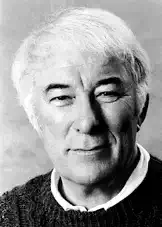
Seamus Heaney

Seamus Heaney was an Irish poet, writer, and translator, awarded the Nobel Prize in Literature in 1995. His poetry is known for its deep connection to the Irish rural landscape, its reflections on identity, memory, and violence, and its use of rich, sensory language. Heaney explored the human experience through imagery drawn from rural life, history, and mythology, creating a body of work that resonates with universal themes of belonging, loss, and transcendence. His poetic voice is simultaneously personal and collective, offering a unique perspective on the human condition.
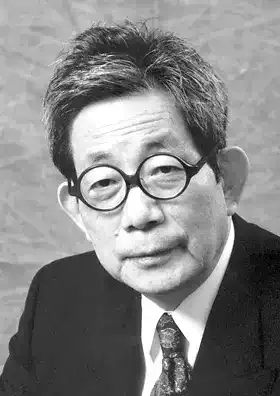
Kenzaburō Ōe
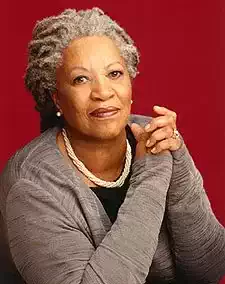
Toni Morrison
Chloe Ardelia Wofford Morrison, known as Toni Morrison, was an American novelist, essayist, editor, and professor. She is known for her novels that explore the African American experience, especially that of women. Morrison won the Nobel Prize in Literature in 1993.
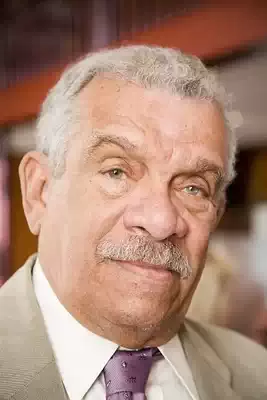
Derek Walcott

Derek Walcott was a Saint Lucian poet and playwright, celebrated for his sweeping epics and lyrical meditations on Caribbean identity, history, and the enduring power of the natural world. His work often explored the complex legacy of colonialism, the interplay of different cultures, and the search for selfhood in a postcolonial landscape. Educated in the British tradition yet deeply rooted in the Caribbean, Walcott's poetry is characterized by its rich imagery, classical allusions, and masterful use of language, often blending European literary forms with the rhythms and spirit of his native islands. He received numerous accolades for his contributions to literature, including the Nobel Prize in Literature.
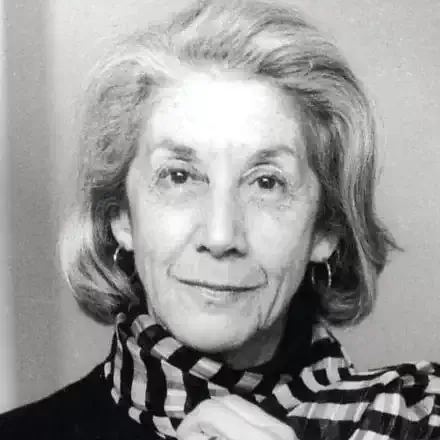
Nadine Gordimer

Nadine Gordimer was a South African novelist and short-story writer, awarded the Nobel Prize in Literature in 1991. Her work explored life in South Africa under apartheid, addressing themes of race, politics, and social justice. Gordimer was known for her insightful prose and her commitment to the fight against oppression, even facing censorship and persecution. She remained a prominent voice in literature and activism until her death.
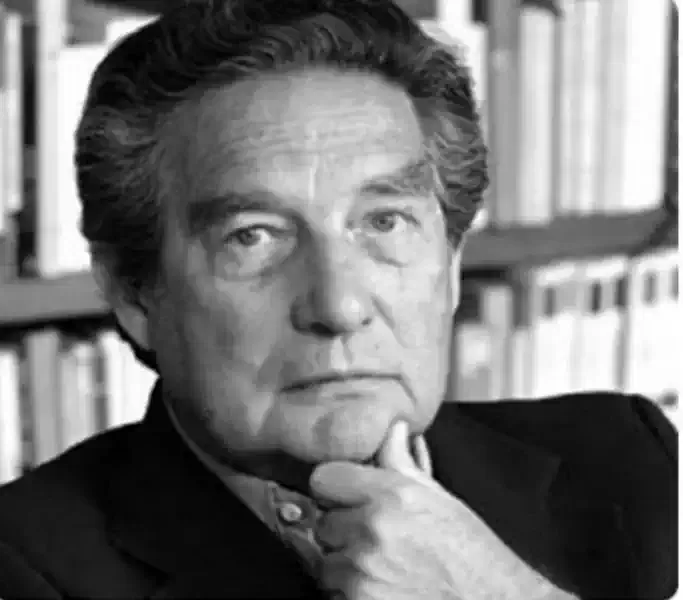
Octavio Paz

Octavio Paz was one of the most important poets and essayists of the 20th century, awarded the Nobel Prize in Literature in 1990. His work is vast and multifaceted, exploring themes such as love, solitude, Mexican identity, the human condition, time, and the search for transcendence. With a rich and innovative language, Paz moved between lyrical poetry, philosophical reflection, and cultural criticism, leaving an invaluable intellectual and artistic legacy.
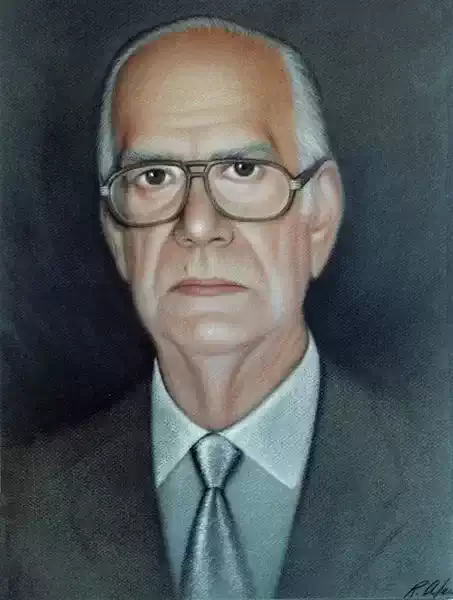
Camilo José Cela

Camilo José Cela was a prominent Spanish writer, awarded the Nobel Prize in Literature in 1989. His work, which includes novels, short stories, and poetry, is known for its rich language, raw realism, and exploration of the complexities of Spanish society. He is considered a central figure in 20th-century Spanish literature, particularly known for novels such as "The Family of Pascual Duarte" and "The Hive," which portray the harsh reality of post-civil war Spain.
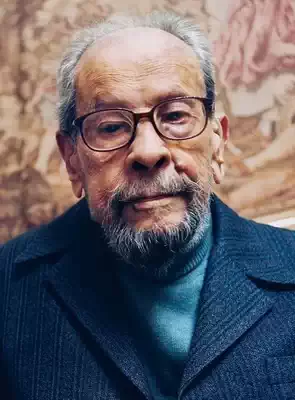
Naguib Mahfouz
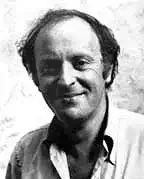
Joseph Brodsky

Joseph Brodsky was a Russian-American poet and essayist, Nobel laureate in Literature. His work is marked by erudition, formal complexity, and profound reflection on themes such as exile, time, memory, and the human condition. His poetry, often dense and challenging, engages with Russian and Western literary tradition, exploring the ambiguities of language and the search for meaning in a constantly changing world. His life, marked by exile and opposition to the Soviet regime, lends an autobiographical and resistant dimension to his literary production.
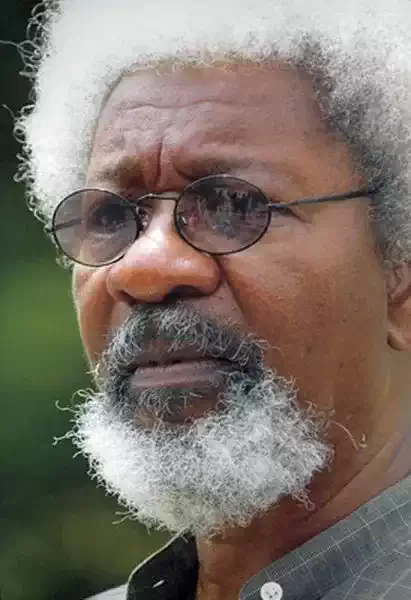
Wole Soyinka

Wole Soyinka is a Nigerian playwright, poet, and writer, known as the first sub-Saharan African to receive the Nobel Prize in Literature in 1986. His work is marked by strong social and political criticism, exploring themes such as corruption, colonialism, and tyranny, often through humor and satire. Soyinka is a prominent voice in African and world literature, using Nigerian cultural traditions and Yoruba drama to create plays and writings that challenge norms and provoke reflection. His life has also been an active struggle against injustice and political oppression.

Claude Simon
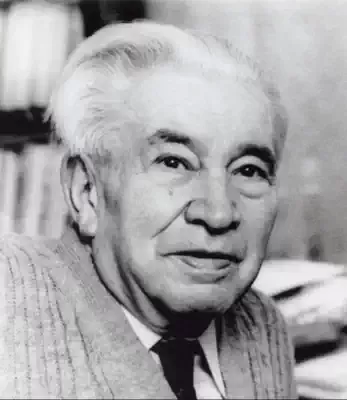
Jaroslav Seifert

Jaroslav Seifert was a prominent Czech poet, writer, and journalist, awarded the Nobel Prize in Literature in 1984. His work is recognized for its lyricism, humanism, and its ability to capture the essence of Czech life and culture, often in times of great political adversity. Seifert navigated the complexities of the 20th century, expressing love for his homeland, its traditions, and its ordinary people, in poetry that became a symbol of cultural resistance and hope. With a style that combined the everyday with the sublime, and the personal with the universal, Seifert left a lasting legacy as one of the most important European poets, whose voice resonates through its authenticity and its deep connection to national identity.
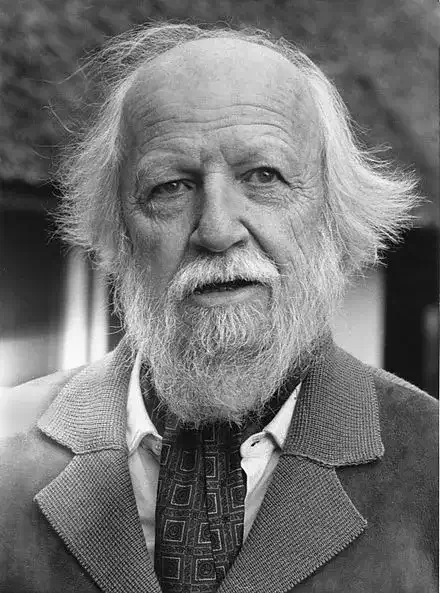
William Golding
Sir William Golding (1911-1993) was an English novelist, winner of the Nobel Prize in Literature in 1983. His most famous work is "Lord of the Flies" (1954), a dystopian novel that explores the nature of evil and the fragility of civilization. Golding wrote other novels that frequently deal with themes of morality, human nature, and the confrontation between order and chaos, often with historical or mythological settings.
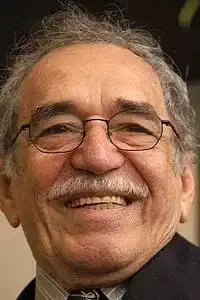
Gabriel García Márquez

Gabriel García Márquez was a renowned Colombian writer, awarded the Nobel Prize in Literature in 1982. Known for his magical and realistic prose, he revolutionized Latin American literature. His work explores universal themes such as love, solitude, power, and death, often set in the fictional Macondo, inspired by his homeland. Works like 'One Hundred Years of Solitude' and 'Love in the Time of Cholera' established him as one of the greatest storytellers of the 20th century, influencing generations of writers and captivating readers worldwide with his engaging narrative and boundless imagination.
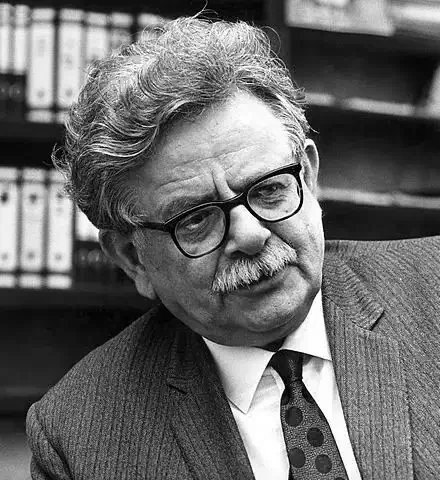
Elias Canetti
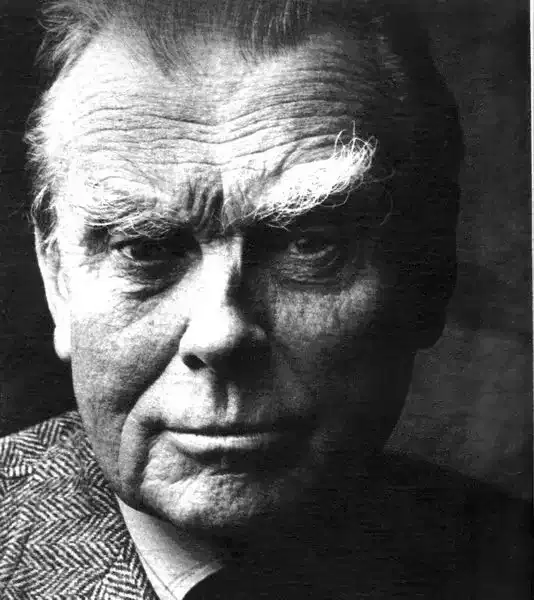
Czesław Miłosz
Czesław Miłosz was a Polish-Lithuanian poet, prose writer, translator, and diplomat, awarded the Nobel Prize in Literature in 1980. Born into a Polish family in Lithuania, then part of the Russian Empire, Miłosz spent most of his adult life in Poland and later in the United States, where he became a university professor.
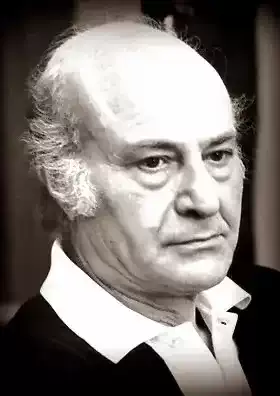
Odysséas Elýtis

Odysséas Elýtis was a Greek poet, awarded the Nobel Prize in Literature in 1979. His work is marked by a strong connection to Greek landscape and culture, exploring themes such as the sea, light, love, and mortality with a lyrical and visually rich language. Elýtis is considered one of the most important modern Greek poets, with poetry that transcends geographical and temporal boundaries.
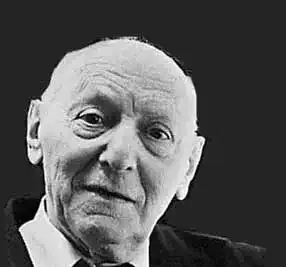
Isaac Bashevis Singer
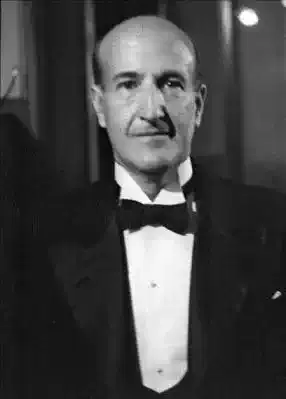
Vicente Aleixandre
Vicente Aleixandre was a Spanish poet, a central figure of the Generation of '27. His poetic work is marked by a deep lyricism and an exploration of the themes of love, death, the cosmos, and the human condition, often with a language charged with symbolism and dreamlike imagery. He was awarded the Nobel Prize in Literature in 1977, recognizing the universality and strength of his poetic expression, which made him one of the most important Spanish-language poets of the 20th century.
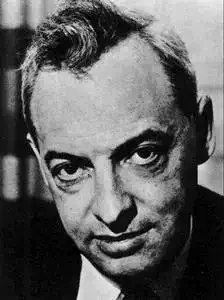
Saul Bellow
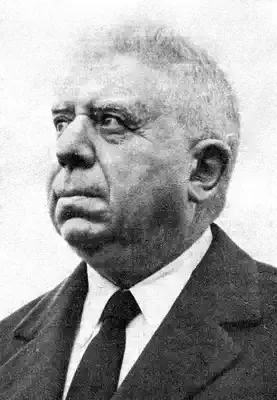
Eugenio Montale
Eugenio Montale was one of the most important Italian poets of the 20th century, winner of the Nobel Prize in Literature. His work is marked by austere lyricism, the exploration of the Ligurian landscape, and reflection on the existential condition of modern man, incommunicability, and the absence of meaning in a world in crisis. His poetry is known for its density, its use of concrete imagery, and its search for a truth that manifests itself fragmentarily.

Eyvind Johnson
Eyvind Johnson was a Swedish writer, awarded the Nobel Prize in Literature in 1974. His work, often set in northern Sweden, reflects on the lives of workers, the human condition, and social and political complexities.
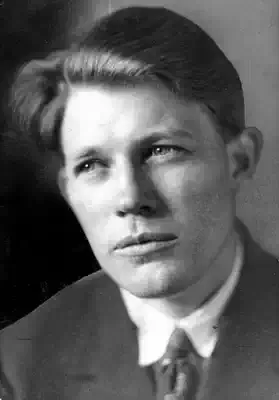
Harry Martinson
Harry Martinson was a Swedish poet, writer, and essayist, awarded the Nobel Prize in Literature in 1974. His work, deeply marked by nature and reflection on the human destiny and the cosmos, is characterized by a language rich in imagery and a profound ecological and existential sensibility. He explored themes such as man's relationship with the environment, the search for meaning in a constantly changing universe, and criticism of industrial and warfare society.

Patrick White

Patrick White was an Australian novelist, awarded the Nobel Prize in Literature in 1973. He is considered one of the most important Australian writers of the 20th century, known for his exploration of Australia's inner and outer landscape and the psychological complexity of his characters.
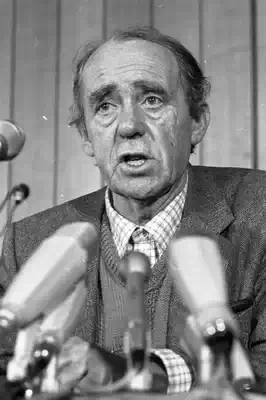
Heinrich Böll
Heinrich Böll was a prominent German writer, awarded the Nobel Prize in Literature in 1972. His work is known for its strong social and political engagement, criticizing militarism, nationalism, and the hypocrisy of post-World War II German society. He addressed themes such as guilt, memory, and the reconstruction of Germany. Böll explored the lives of ordinary people, the marginalized, and the victims of war, giving voice to those who were silenced. His writing is characterized by clarity, humanism, and a deep empathy with his characters. He was an important figure in German literature and an active defender of human rights.
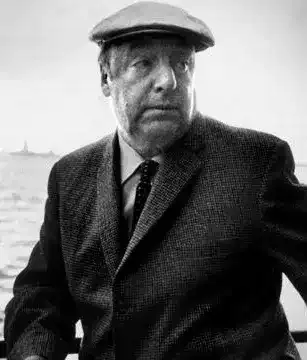
Pablo Neruda

Pablo Neruda was a Chilean poet, diplomat, and politician. He is widely regarded as one of the most influential poets of the 20th century, celebrated for his lyrical and evocative verse, which often explored themes of love, nature, politics, and everyday life. Neruda's prolific output and diverse thematic concerns earned him international acclaim, culminating in the Nobel Prize in Literature in 1971. His work is characterized by its passionate imagery, sensuous language, and profound connection to the landscapes and people of Latin America.

Alexandr Solzhenitsyn
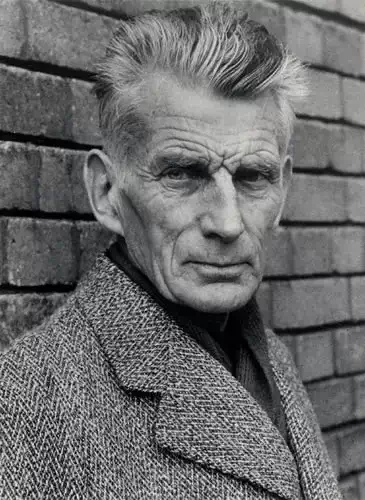
Samuel Beckett

Yasunari Kawabata

Yasunari Kawabata was a Japanese novelist, the first writer from his country to receive the Nobel Prize in Literature in 1968. His work is known for its aesthetic sensibility, lyricism, and exploration of the complexities of human relationships and loneliness.
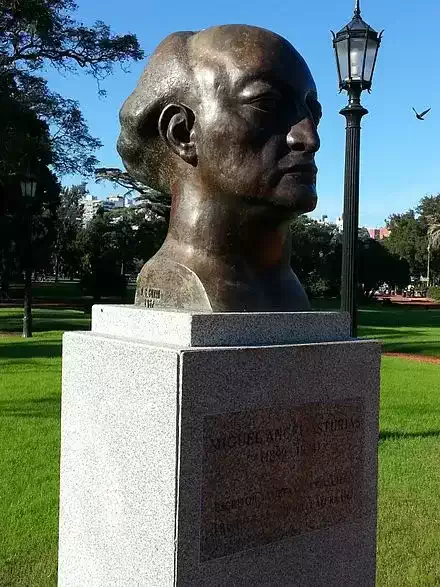
Miguel Ángel Asturias

Miguel Ángel Asturias was a Guatemalan writer, awarded the Nobel Prize in Literature in 1967. His work is deeply rooted in the traditions, myths, and social realities of Guatemala and Latin America. Through poetic and innovative language, Asturias explored themes such as cultural identity, oppression, social injustice, and the relationship between the indigenous and Western worlds. He is considered one of the pioneers of magical realism in Latin American literature, influencing generations of writers. With a life marked by political activism and exile, Asturias dedicated his writing to giving voice to the marginalized and denouncing the power structures that oppressed indigenous peoples and the working classes. His literary contribution is fundamental to understanding the complex social and cultural reality of Central America, leaving a lasting legacy in universal literature.
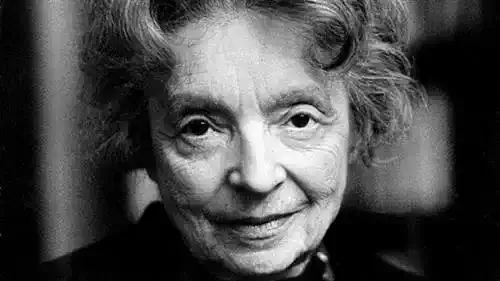
Nelly Sachs
Nelly Sachs was a German-language Jewish poet and playwright, awarded the Nobel Prize in Literature. Her work is deeply marked by the experience of the Holocaust and her life as a refugee. Her poetry, often described as a "song of mourning and hope," explores themes such as suffering, memory, diaspora, and the search for redemption. Through a lyrical and visionary style, Sachs gives voice to the victims of persecution, but also seeks a sense of transcendence and communion with the divine. Her writing is a poignant testament to the resilience of the human spirit in the face of barbarity.

Shmuel Agnon

Shmuel Yosef Agnon (born Samuel Josef Czaczkes) was an Israeli writer, awarded the Nobel Prize in Literature in 1966. He is widely considered one of the most important Hebrew-language writers of the 20th century. His work explores the relationship between the traditional Jewish world and modernity, faith, doubt, and identity.

Mikhail Sholokhov
Mikhail Sholokhov was a Soviet writer, awarded the Nobel Prize in Literature. His most celebrated work is 'And Quiet Flows the Don', an epic that narrates the life of the Don Cossacks during the turmoil of the Russian Revolution and the Civil War. Sholokhov is known for his social realism and for portraying the hard life and passions of his people.
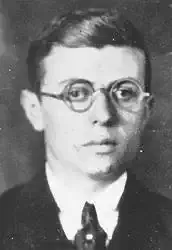
Jean-Paul Sartre
Jean-Paul Sartre was a French philosopher, writer, playwright, and literary critic, a central figure of atheistic existentialism. His vast and multifaceted work explores human freedom, individual responsibility, bad faith, and social commitment. Sartre rejected the Nobel Prize in Literature, advocating for a stance of refusal of bourgeois institutions. His thought profoundly influenced 20th-century philosophy, literature, and political debate, marking a generation with his emphasis on autonomy and the need for intervention in the world.
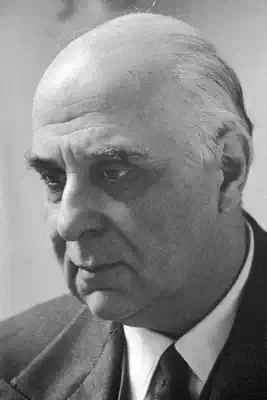
Giorgos Seferis
Giorgos Seferis was a prominent Greek poet and essayist, considered one of the central figures of 20th-century Greek literature and one of the greatest Greek-language poets. His work is marked by a deep reflection on Greek identity, history, memory, and the human condition, often set in the landscapes and myths of the Aegean. His poetry, though rooted in classical and Byzantine tradition, innovated by incorporating colloquial language and a modern existential approach, earning international recognition and a Nobel Prize in Literature.
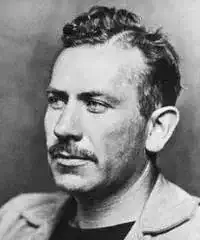
John Steinbeck

Ivo Andrić

Ivo Andrić was a Yugoslav writer, winner of the Nobel Prize in Literature. His best-known work is 'The Bridge on the Drina', which narrates the story of a bridge in Višegrad, Bosnia, over centuries. Andrić is renowned for his dense and evocative prose, capturing the historical and cultural complexity of the Balkans.
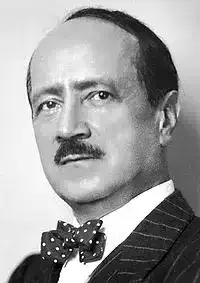
Saint-John Perse
Alexis Leger, better known by the pseudonym Saint-John Perse, was a French poet, diplomat, and essayist. Born in Pointe-à-Pitre, Guadeloupe, on May 31, 1887, his poetic work is characterized by its epic scope, rich vocabulary, and universal themes. Perse served as a diplomat for many years, holding important positions in the League of Nations and the French Ministry of Foreign Affairs.
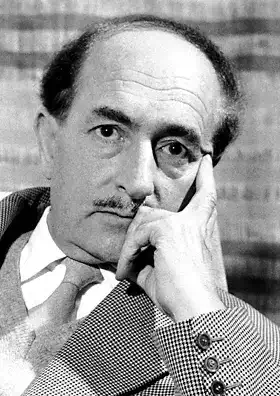
Salvatore Quasimodo
Salvatore Quasimodo was an Italian poet and translator, awarded the Nobel Prize in Literature in 1959. His work is characterized by lyrical and introspective language, exploring themes such as memory, nature, and the human condition in times of war and post-war. Quasimodo is seen as one of the exponents of Italian hermetic poetry.
Boris Pasternak
Boris Pasternak was a highly acclaimed Russian poet, novelist, and translator, best known for his epic novel "Doctor Zhivago." His work often explores profound themes of love, nature, and the human condition, set against the backdrop of tumultuous historical events in Russia. Pasternak's lyrical and evocative poetry earned him international recognition, culminating in the Nobel Prize in Literature, though its acceptance led to significant personal and political turmoil. His literary contributions are marked by a deep engagement with Russian culture and a unique blend of modernist experimentation and traditional lyrical sensibility.
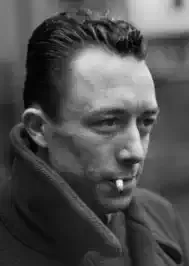
Albert Camus
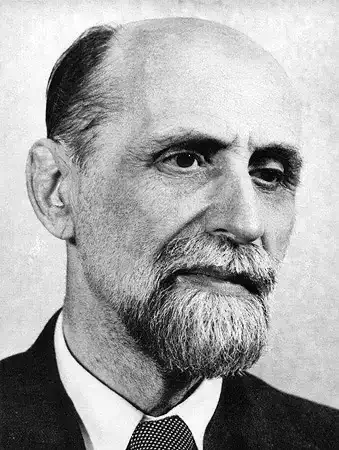
Juan Ramón Jiménez
Juan Ramón Jiménez was a Spanish poet, awarded the Nobel Prize in Literature in 1956. His work, profoundly marked by symbolism and the desire for "pure poetry," evolved towards an incessant search for beauty and transcendence. His poetry explores themes such as nature, spirituality, love, and the very essence of poetry, with a refined, musical, and visionary style. He is considered one of the great renovators of 20th-century Spanish poetry.
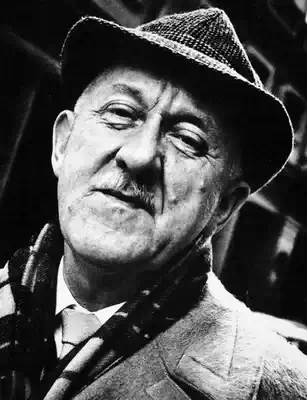
Halldór Laxness

Halldór Laxness was one of the most prominent Icelandic writers, awarded the Nobel Prize in Literature in 1955. His vast and diverse work encompasses novels, short stories, plays, poems, and essays, exploring Icelandic identity, the struggle for survival in a hostile environment, and social criticism with a rich and innovative language. He is recognized for his ability to blend realism with elements of Icelandic folklore and sagas. With a unique literary style, Laxness addressed themes such as poverty, social injustice, religion, and the search for existential meaning, leaving a literary legacy that continues to influence world literature and represent the soul and history of Iceland.
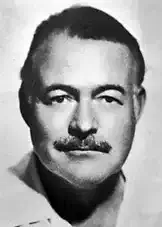
Ernest Hemingway
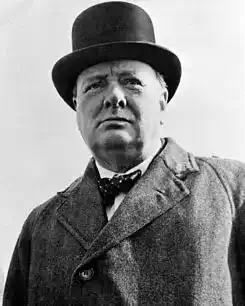
Winston Churchill
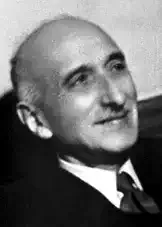
François Mauriac
François Mauriac was a French novelist, playwright, essayist, and journalist, awarded the Nobel Prize in Literature in 1952. His work is known for portraying life in Gascony, his homeland, exploring themes such as sin, faith, guilt, and redemption. He is often associated with Christian existentialism, and his writing is marked by deep psychological analysis and lyrical, poignant prose.
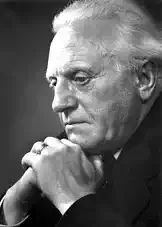
Pär Lagerkvist
Pär Lagerkvist was a renowned Swedish poet, playwright, and novelist, awarded the Nobel Prize in Literature in 1951. His work is characterized by profound existential reflection, exploring themes such as faith, doubt, morality, and the search for meaning in a constantly changing world, often with a lyrical and concise style.
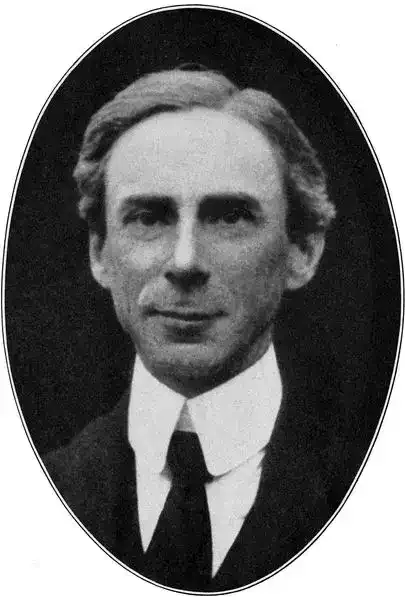
Bertrand Russell
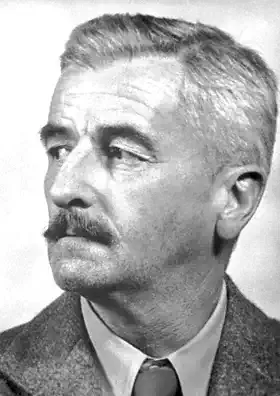
William Faulkner
William Faulkner (1897-1962) was an American novelist and short-story writer, awarded the Nobel Prize in Literature in 1949. He is widely recognized for his works that explore the complex history and society of the American South, often set in his fictional Yoknapatawpha County. His writing is known for its stylistic complexity, including the use of stream of consciousness, multiple perspectives, and non-linear timelines.
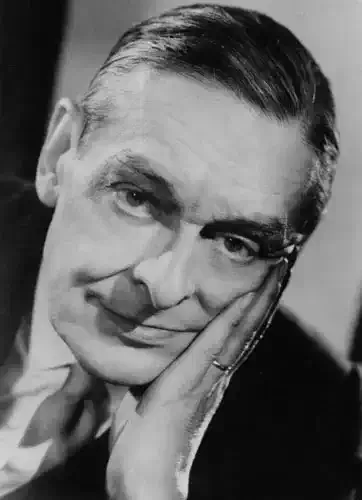
T. S. Eliot
Thomas Stearns Eliot was an Anglo-American poet, playwright, literary critic, and editor, widely regarded as one of the most important English-language poets of the 20th century. His work is marked by a profound exploration of the human condition, spirituality, and the disintegration of modern society. Eliot is known for his erudite language, imagistic complexity, and his approach to themes such as time, memory, and faith.
T. S. Eliot
Thomas Stearns Eliot was an Anglo-American poet, playwright, literary critic, and editor, widely regarded as one of the most important English-language poets of the 20th century. His work is marked by a profound exploration of the human condition, spirituality, and the disintegration of modern society. Eliot is known for his erudite language, imagistic complexity, and his approach to themes such as time, memory, and faith.
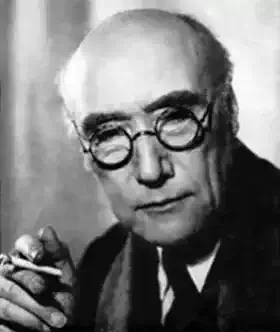
André Gide
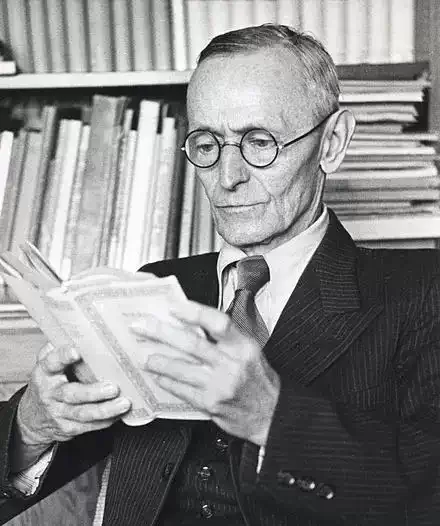
Hermann Hesse
Hermann Hesse was a German-born poet, novelist, and painter who later became a Swiss citizen. Awarded the Nobel Prize in Literature in 1946, his works explore themes of self-discovery, spirituality, and the duality of human nature. Hesse's early life was marked by a search for identity, influenced by his parents' missionary work and his own spiritual leanings. His literary career spanned decades, producing influential novels like 'Siddhartha,' 'Demian,' and 'Steppenwolf,' which resonated with readers seeking meaning in a rapidly changing world.
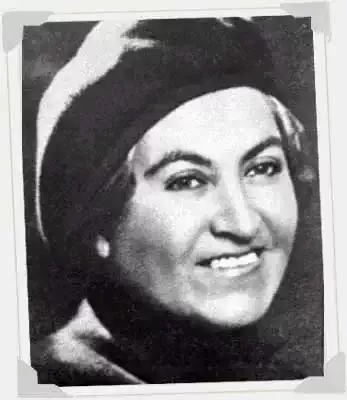
Gabriela Mistral
Gabriela Mistral was a Chilean poet, diplomat, educator, and feminist. She is the first Latin American to receive the Nobel Prize in Literature, in 1945. Her work is marked by themes such as love, motherhood, nature, pain, and the search for social justice, with a profound and emotional language.

Johannes V. Jensen

Johannes V. Jensen was a Danish writer, winner of the Nobel Prize in Literature. His work spans a wide range of genres, including novels, short stories, poetry, and essays, and is marked by a vigorous style and themes that explore human evolution, nature, and Norse mythology.

Frans Eemil Sillanpää

Frans Eemil Sillanpää was a Finnish writer who became the first and only Finn to receive the Nobel Prize in Literature. His work is known for portraying rural Finnish life and the relationship between man and nature, with a lyrical and introspective style.

Pearl S. Buck
Pearl S. Buck

Roger Martin du Gard

Eugene O'Neill
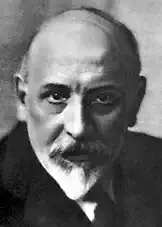
Luigi Pirandello
Luigi Pirandello was an Italian dramatist, novelist, and short-story writer, awarded the Nobel Prize in Literature in 1934. He is widely regarded as one of the greatest playwrights of the 20th century. His works often explore the nature of reality, identity, and madness, challenging traditional theatrical conventions.
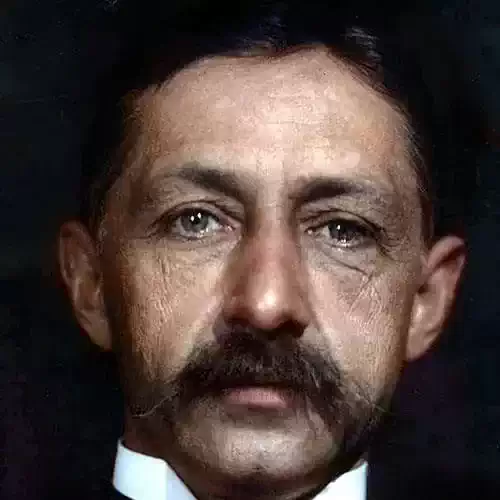
Ivan Bunin
Ivan Bunin was a Russian writer, Nobel laureate in Literature in 1933, being the first Russian writer to receive such an honor. His work, predominantly in prose, explores with melancholy and lyricism the landscapes of Russia and the dilemmas of the human soul, also having dedicated himself to poetry.

John Galsworthy
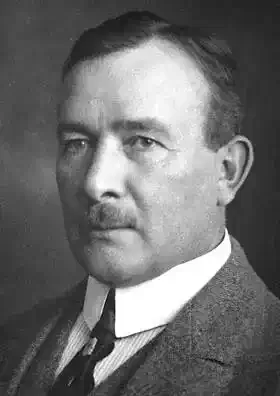
Erik Axel Karlfeldt
Erik Axel Karlfeldt was a Swedish poet, awarded the Nobel Prize in Literature. His work is deeply rooted in the landscape and rural life of Sweden, celebrating nature, work, and folk traditions with a rich and evocative language. His poems combine melancholic lyricism with subtle humor, exploring themes such as love, death, and the passage of time, always with a strong connection to Nordic culture and folklore.

Sinclair Lewis
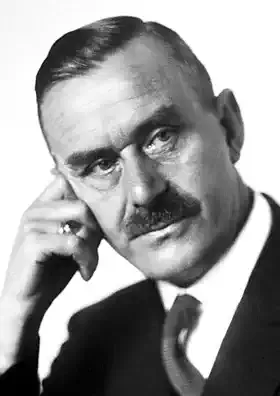
Thomas Mann

Sigrid Undset
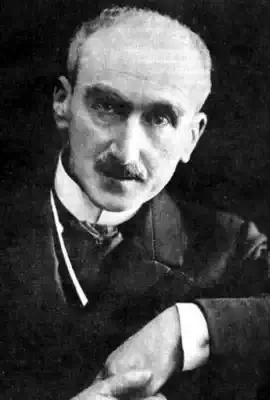
Henri Bergson
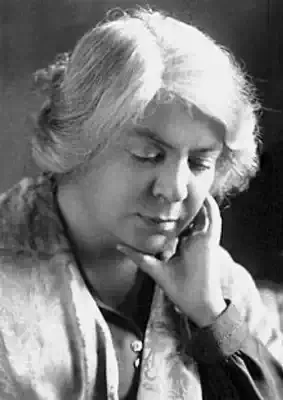
Grazia Deledda
Grazia Deledda was an Italian writer, awarded the Nobel Prize in Literature in 1926. Her work, deeply rooted in Sardinia, explores the human condition, moral conflicts, and the power of fate. Deledda masterfully portrayed her homeland, its customs, and the psychology of its inhabitants, often through characters marked by intense passions and ethical dilemmas. Through rich and evocative language, the author gave voice to the landscapes and soul of Sardinia, addressing universal themes such as love, sin, redemption, and fatality. Her style, realistic yet charged with symbolism, earned her international recognition and established her as one of the most important voices in 20th-century Italian literature.
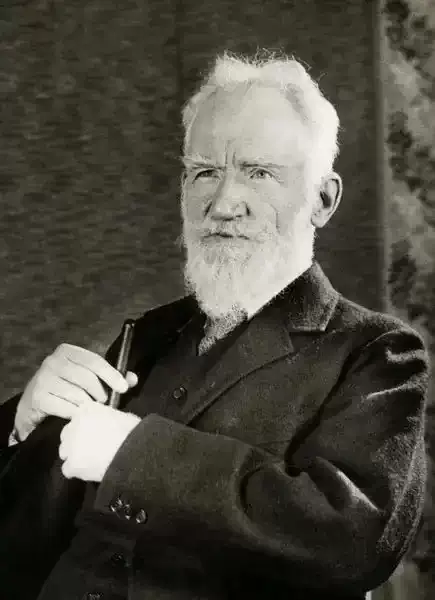
George Bernard Shaw

Władysław Reymont
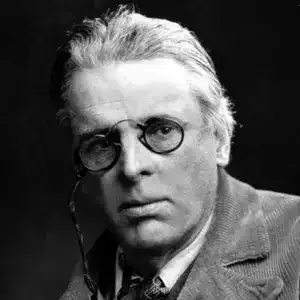
William Butler Yeats
William Butler Yeats was a prominent Irish poet, playwright, and mystic, widely regarded as one of the greatest poets of the 20th century. His early work was deeply influenced by Irish mythology and folklore, and he was a key figure in the Irish Literary Revival. Over his career, his style evolved, becoming more personal, symbolic, and philosophical, grappling with themes of love, aging, politics, and the spiritual life. Yeats's poetry is characterized by its rich imagery, musicality, and intellectual depth. He explored the complexities of the human condition, the nature of art, and the turbulent history of Ireland. His later works, in particular, are known for their aphoristic power and profound meditations on life and mortality. He received the Nobel Prize in Literature in 1923, solidifying his international literary stature.
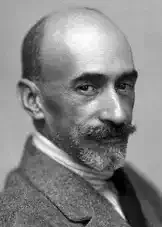
Jacinto Benavente
Jacinto Benavente was a Spanish dramatist and novelist, widely regarded as one of Spain's leading playwrights of the early 20th century. He was awarded the Nobel Prize in Literature in 1922.
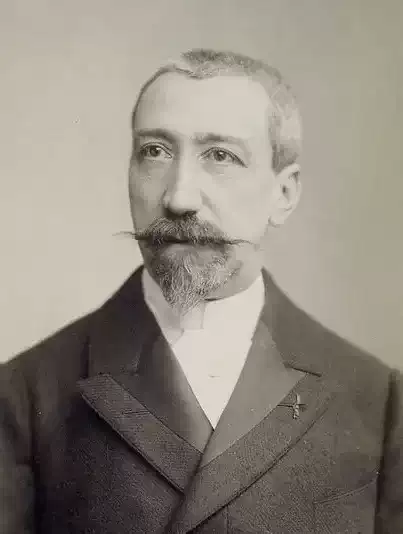
Anatole France
Anatole France was a renowned French writer and literary critic, known for his elegant, skeptical, and ironic style. His work often addressed philosophical and social themes, criticizing the hypocrisy and prejudices of his time with wit and humor. He was awarded the Nobel Prize in Literature in 1921, consolidating his status as one of France's most important literary figures.
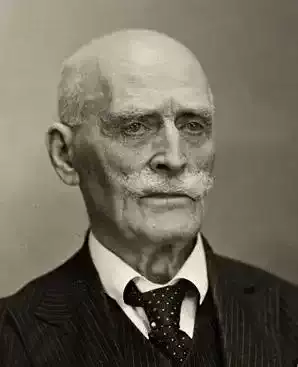
Knut Hamsun
Knut Hamsun was a prominent Norwegian writer, awarded the Nobel Prize in Literature in 1920, whose works explore the human psyche with unique intensity and innovative style. His writing is marked by the exploration of themes such as alienation, poverty, madness, and man's relationship with nature, often through tormented and marginal characters. Hamsun is recognized for significantly influencing literary modernism, especially through his stream-of-consciousness technique and his penetrating gaze into the complexities of existence. Despite his literary brilliance, his figure is also marked by controversies due to his sympathies for the Nazi regime, an aspect that raises complex debates about art and the artist.
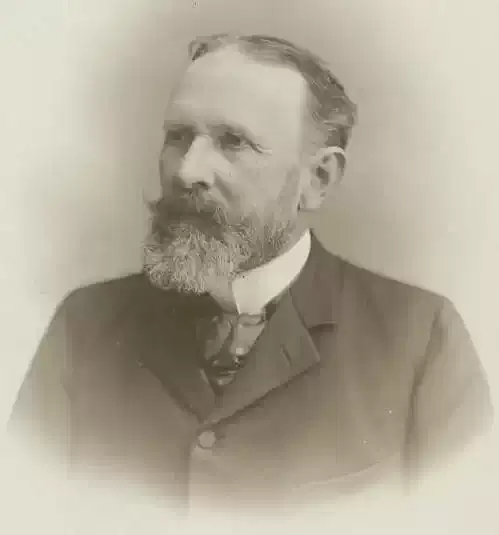
Carl Spitteler

Carl Spitteler was a prominent German-speaking Swiss poet, awarded the Nobel Prize in Literature in 1919. His work is vast and complex, characterized by a deep interest in mythology, philosophy, and the human condition, exploring universal themes in an epic and symbolic manner. With a grand and often allegorical style, Spitteler created poetic worlds rich in imagination and depth. His best-known works, such as "Der Chung"

Henrik Pontoppidan
Henrik Pontoppidan was a Danish writer, awarded the Nobel Prize in Literature in 1917, along with Karl Gjellerup. He is known for his novels and short stories that portray rural life in Denmark, focusing on themes such as the conflict between traditional peasantry and modernity, and the struggle for meaning in a changing world. His works often feature penetrating social realism and a deep psychological interest in his characters. Pontoppidan passed away in 1943.
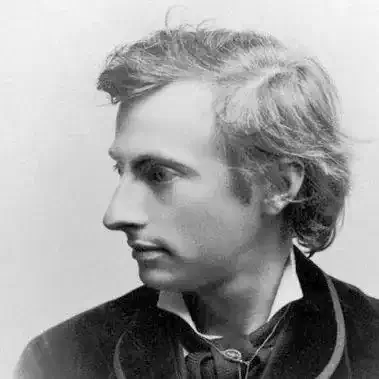
Karl Adolph Gjellerup
Karl Adolph Gjellerup was a Danish writer, awarded the Nobel Prize in Literature. His work, deeply influenced by Buddhism and Eastern philosophy, explores the search for spiritual truth and the connection between the individual and the cosmos. Gjellerup is recognized for his erudite prose and his reflections on the human condition, evolution, and the nature of reality. His literary journey began with naturalism, but evolved into a spirituality that led him to abandon Western conventions in search of a deeper understanding of the universe. His later work, written in German, reflects this transcendence and his admiration for Asian culture.
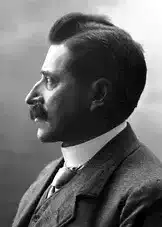
Verner von Heidenstam
Carl Gustaf Verner von Heidenstam was a Swedish poet and writer, awarded the Nobel Prize in Literature in 1916. He is considered one of the main representatives of the neo-romantic movement in Swedish literature. His work is marked by strong nationalism, a celebration of Swedish history and culture, and a lyrical and evocative language. He sought to invigorate Swedish national identity through literature.
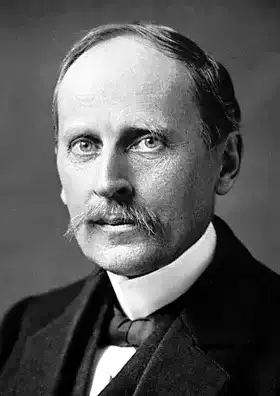
Romain Rolland
Romain Rolland was a prominent French novelist, playwright, and musicologist, who was awarded the Nobel Prize in Literature in 1915. Born in Clamecy, France, in 1866, he is famous for his work "Jean-Christophe", a cycle of ten novels that narrates the life of a German composer. His work is marked by a profound humanism, pacifism, and an interest in music and spirituality.
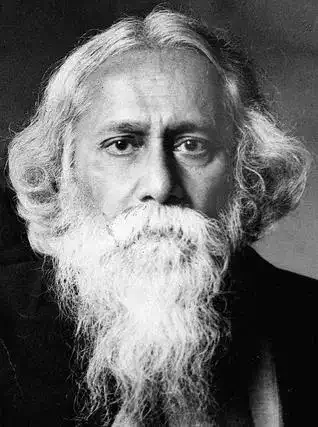
Rabindranath Tagore

Rabindranath Tagore was a Bengali poet, writer, playwright, composer, philosopher, social reformer, and painter, widely regarded as the most important figure in modern Indian literature. A polymath, his vast creative output spanned poetry, novels, short stories, dramas, essays, and songs, often exploring themes of nature, spirituality, human relationships, and the complexities of life in a changing world. Tagore was the first non-European to win the Nobel Prize in Literature in 1913, a testament to his profound lyrical genius and universal appeal. His work championed humanism, internationalism, and the harmonious integration of Eastern and Western thought.

Gerhart Hauptmann
Gerhart Hauptmann was a German playwright and novelist, considered one of the most important representatives of naturalism in German theater. Born in 1862, his work explored social themes, poverty, and the struggles of the working class, often in rural settings in Silesia. He was awarded the Nobel Prize in Literature in 1912 for his artistic output, which included dramas such as 'The Weavers' and 'Hannele's Ascension'. Hauptmann passed away in 1946.
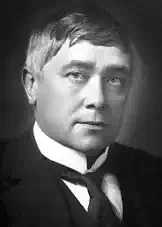
Maurice Maeterlinck

Maurice Maeterlinck was a Belgian poet, playwright, and essayist, a prominent figure of literary symbolism. His work is characterized by an atmosphere of mystery, lyricism, and reflection on the great themes of existence, such as life, death, love, and destiny. Known for his plays, such as 'The Blue Bird', Maeterlinck explored the subconscious and the ineffable, using symbols and allegories to convey his ideas. He was awarded the Nobel Prize in Literature in 1911, in recognition of his vast and influential contribution to world literature.
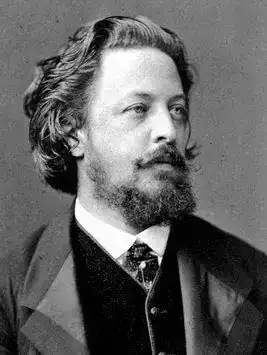
Paul von Heyse
Paul Heyse was a prominent German writer, known for his vast body of work in poetry, prose, and drama. He was a central figure in German literary life of the 19th and early 20th centuries, and was awarded the Nobel Prize in Literature in 1910. His writing covered a wide range of themes, often exploring human psychology and the complexities of social relationships. Heyse is remembered as a representative of the Munich School, associated with a certain academicism and refined aesthetics.
Paul von Heyse
Paul Heyse was a prominent German writer, known for his vast body of work in poetry, prose, and drama. He was a central figure in German literary life of the 19th and early 20th centuries, and was awarded the Nobel Prize in Literature in 1910. His writing covered a wide range of themes, often exploring human psychology and the complexities of social relationships. Heyse is remembered as a representative of the Munich School, associated with a certain academicism and refined aesthetics.
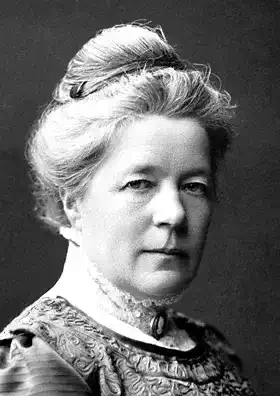
Selma Lagerlöf
Selma Ottilia Lovisa Lagerlöf was a Swedish writer and the first woman to receive the Nobel Prize in Literature. Her work is known for its deep connection to Swedish folklore, fairy tales, and legends, featuring narratives rich in detail and with strong emotional appeal. Lagerlöf explored themes such as faith, love, sacrifice, and the search for identity, often setting her stories in rural Swedish landscapes.

Rudolf Eucken
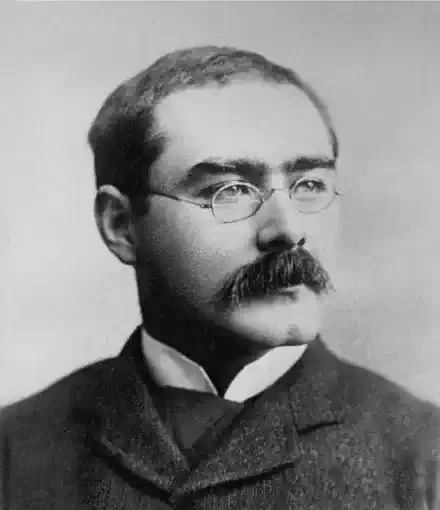
Rudyard Kipling
Rudyard Kipling was a prolific English writer and poet, best known for his works on British India and his children's stories. He championed the idea of the 'White Man's Burden' and his writings often reflected imperialist sentiments. Despite controversy surrounding his political views, his imaginative storytelling and mastery of language continue to be recognized, with works like 'The Jungle Book' and 'Kim' remaining popular.
Giosuè Carducci
Giosuè Carducci was an Italian poet and literary critic, a Nobel laureate in Literature, known for his lyrical poetry and his influence on the revival of Italian poetry. His work celebrated Italian history and culture, with a style that combined classicism and modernity.
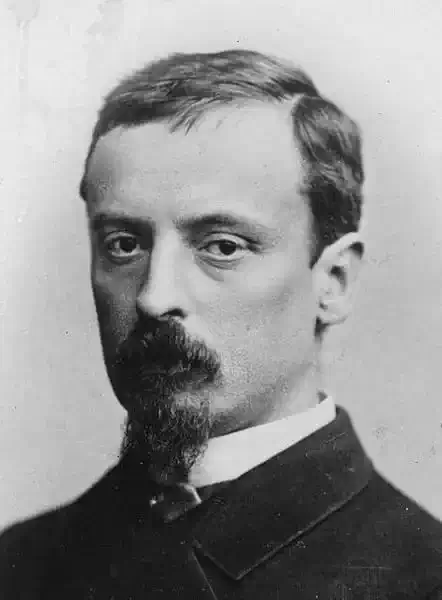
Henryk Sienkiewicz
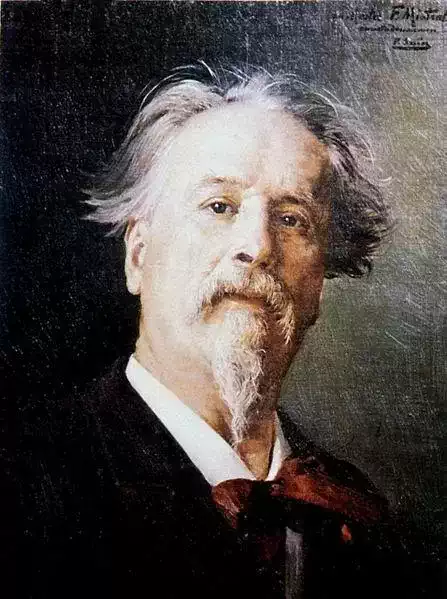
Frédéric Mistral
Frédéric Mistral was a French poet and lexicographer, a central figure of the Félibrige movement, which aimed at the revitalization and promotion of the Provençal language and culture. His poetic work, written in Provençal, celebrated the land, traditions, and way of life of southern France, gaining international recognition, including the Nobel Prize in Literature. Mistral dedicated his life to the defense of Occitan, compiling a monumental vocabulary and encouraging the use of the language in various spheres. His poetry is marked by a strong sense of regional identity, bucolic landscapes, and a deep love for his homeland, establishing him as one of the most important defenders of minority cultures and linguistic diversity.
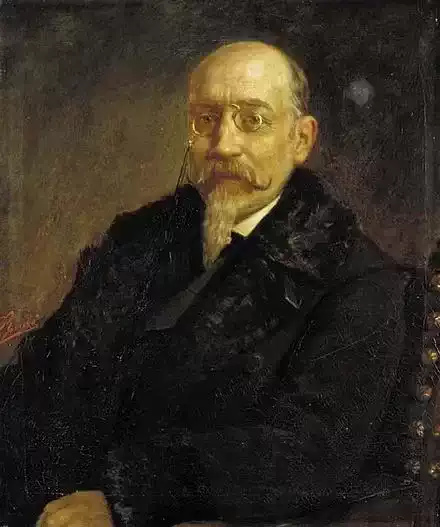
José Echegaray
José Echegaray y Eizaguirre was a prominent Spanish playwright, novelist, and politician, whose work earned him the Nobel Prize in Literature in 1904. Recognized for his contribution to Spanish theater, Echegaray explored moral and social themes with an intense and often dark dramatic style. His plays, marked by passionate conflicts and ethical dilemmas, reflect the concerns of Spanish society of his time, addressing honor, duty, justice, and the consequences of human actions. As a public and intellectual figure, Echegaray played a significant role in Spain's political and cultural life. His vast literary production, which includes both theater and prose, solidified his position as one of the most important authors of the late 19th and early 20th centuries in Spain, influencing later generations of writers and artists.
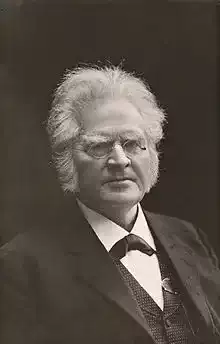
Bjørnstjerne Bjørnson
Bjørnstjerne Bjørnson was a Norwegian poet, novelist, and playwright, considered one of the "Big Four" of Norwegian literature. He was the first Norwegian to win the Nobel Prize in Literature, in 1903. He is widely known for his contribution to the development of the modern Norwegian language and his role in shaping Norwegian national identity. His works often address themes of patriotism, rural life, and social conflicts.

Theodor Mommsen
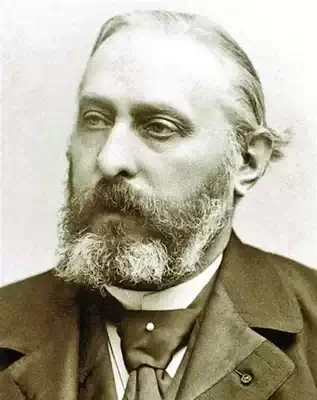
Sully Prudhomme
Sully Prudhomme was a French Parnassian poet, known for his poetry that explored philosophical, scientific, and psychological themes with a rigorous style and precise language. His works reflect a melancholic pessimism and a fascination with reason, science, and the human condition. He was the first poet to receive the Nobel Prize in Literature, in 1901, in recognition of his lyrical work which demonstrated a high artistic ideal, a profound humanity, and a rare combination of the qualities of a keen heart and mind.